


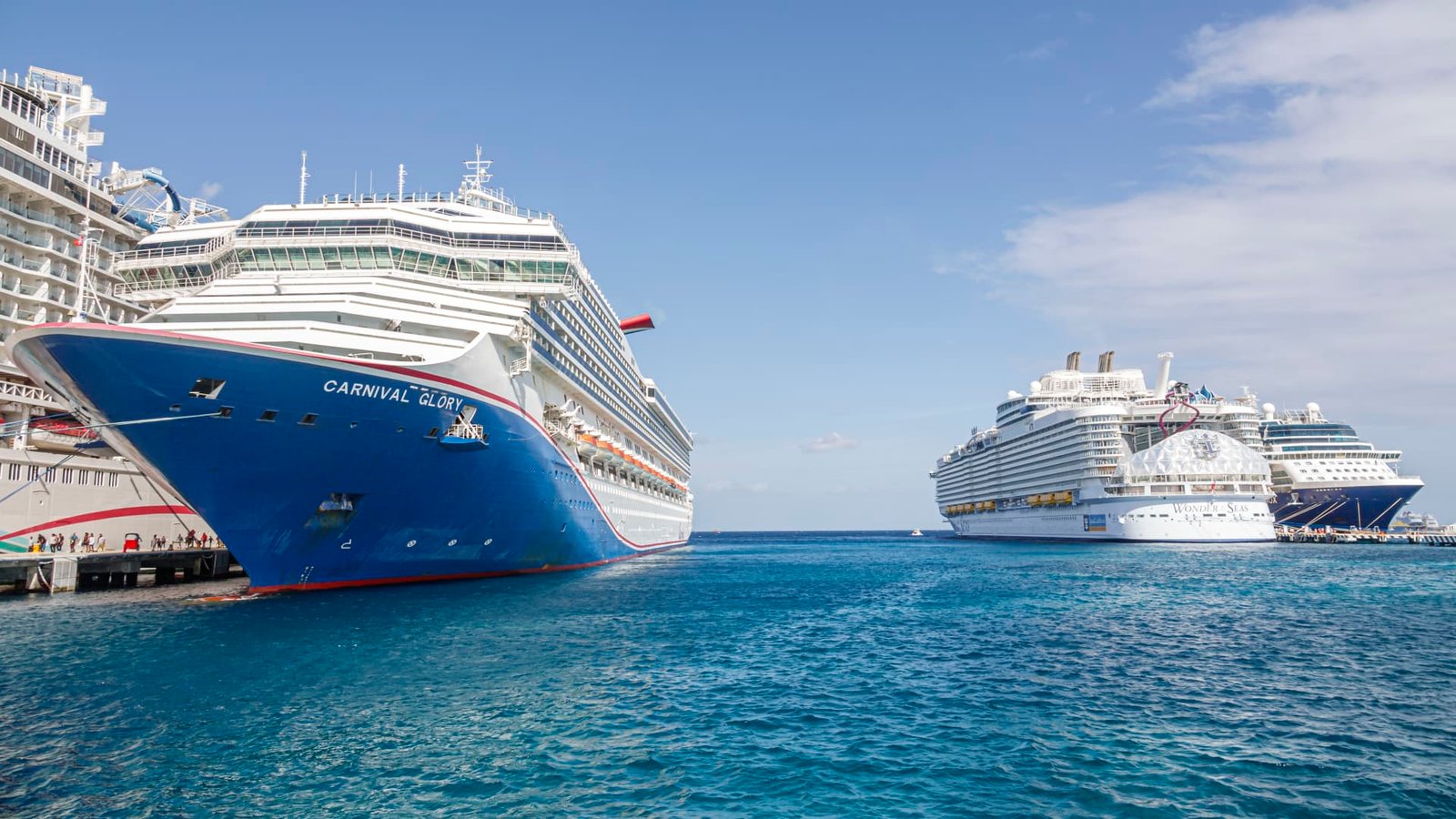
Cruise lines Carnival, Royal Caribbean, and Norwegian Cruise Line Holdings have reported robust earnings in their latest quarters, despite facing escalating fuel costs. Since the onset of tensions in the Middle East on February 28, oil prices surged, with Brent crude reaching $116.72 per barrel. The ongoing conflict poses challenges for cruise operations, especially as the holiday travel season approaches.
To mitigate fuel price impacts, Royal Caribbean and Norwegian Cruise Line utilize a hedging strategy, which involves using derivatives to stabilize future fuel expenses. Carnival, however, takes a different approach. CEO Josh Weinstein emphasizes that minimizing fuel consumption is the most effective strategy to manage costs, reporting a 26% decrease in fuel usage since 2019. This strategy appears to be effective; Carnival recently announced a net income of $1.9 billion for the last quarter, exceeding analysts’ expectations.
In contrast, Royal Caribbean reported strong earnings but noted that high fuel prices impacted profit margins. CEO Jason Liberty indicated that the company is about 60% hedged for 2026, which helps mitigate cost fluctuations. Norwegian Cruise Line also performed well, with revenue reaching $2.9 billion and adjusted earnings per share of $1.12. The company has hedged approximately 48% of its fuel consumption for 2026.
Despite the challenges posed by high fuel costs, demand for cruises remains strong, with Royal Caribbean noting significant bookings for upcoming years.
Why this story matters
- The earnings strategies of cruise lines provide insight into how the industry adapts to volatile fuel prices.
Key takeaway
- Different operational strategies, such as hedging and fuel consumption reduction, illustrate the varied approaches companies take to manage rising costs.
Opposing viewpoint
- While Carnival’s fuel reduction strategy is proving effective, some experts argue that hedging provides more long-term stability against price fluctuations.