
AI development faces significant challenges due to energy limitations, with the need for power becoming a critical issue as data centers expand. Each GPU used in artificial intelligence consumes as much electricity as a typical kitchen appliance and requires continuous operation. Small research laboratories operate with two to eight nodes and up to 64 GPUs, while larger enterprises require substantially more, further intensifying energy demands.
Current estimates indicate that U.S. data centers could account for 9 to 17% of the nation’s electricity consumption by 2030. This raises concerns about power generation capacity, grid interconnection delays, and equipment shortages, which hinder immediate expansion efforts in the AI sector. To address these bottlenecks, companies are investing heavily, with over half a trillion dollars committed to shift the energy landscape.
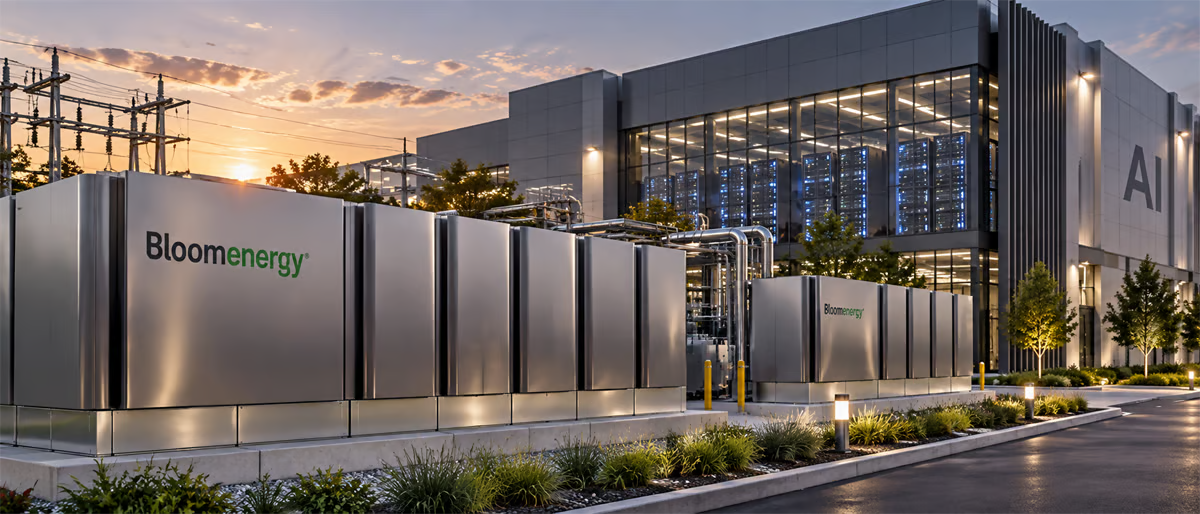
To overcome these challenges, many AI infrastructure firms are co-locating near power generation facilities or adopting innovative energy solutions, such as Bloom Energy. Bloom’s technology, which provides quicker power-generating units, plays a crucial role in addressing energy constraints within AI environments. Enabled by solid oxide fuel cells, Bloom’s systems offer lower carbon intensity and efficiency—critical as data centers transition toward higher voltage arrangements.
Additionally, Bloom has modified its business model to include financing options like power purchase agreements, which allow customers to spread costs over time. This strategic shift aims to enhance revenue stability and solidify Bloom’s position in the AI energy market.
Despite these advancements, challenges remain, particularly concerning the availability of scandium oxide, a material essential for Bloom’s fuel cells. Although Bloom asserts its supply is secure and not reliant on Chinese sources, scrutiny around this issue continues.
Why this story matters
- The increasing energy consumption of AI systems poses a significant challenge for future infrastructural development.
Key takeaway
- Companies are exploring innovative solutions to address energy bottlenecks in AI, with Bloom Energy emerging as a key player.
Opposing viewpoint
- Concerns persist regarding the sustainability of Bloom’s supply chain, particularly its dependence on critical materials.