


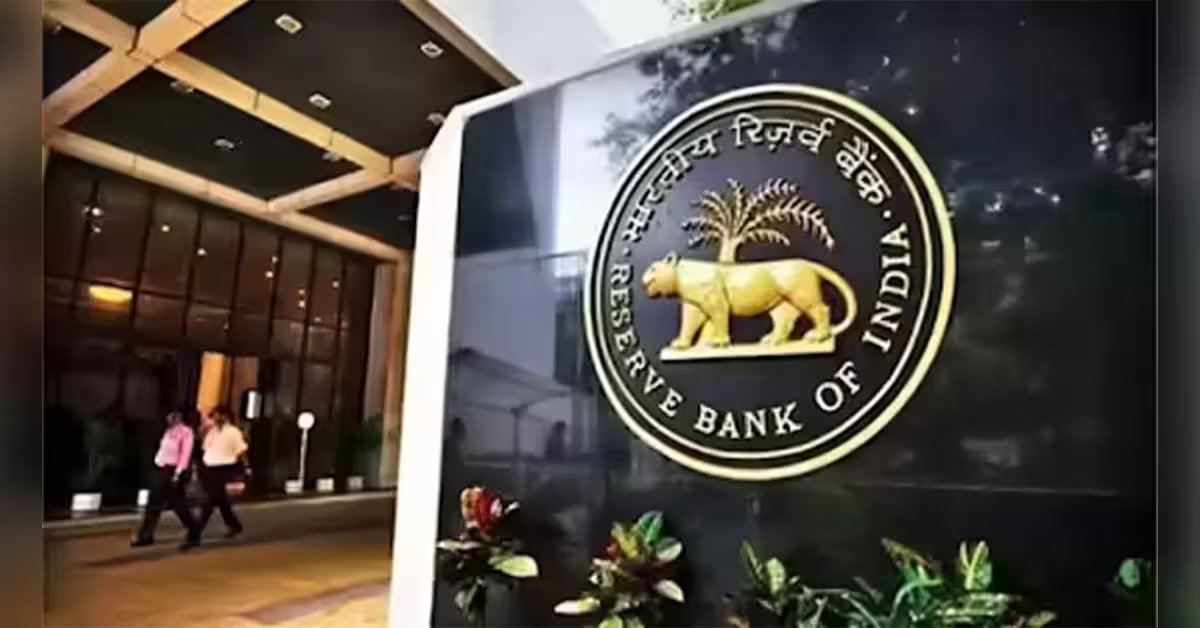
N. Chandrasekaran’s potential reappointment as chairman of Tata Sons for a third term is set against a backdrop of legal contention and a renewed focus on the company’s stock market listing. Tata Trusts is advocating for a restructuring of Tata Sons’ assets to maintain its status as a privately held entity. A source indicated that the Reserve Bank of India (RBI) may soon issue a new directive clarifying the need for an early listing following its earlier rejection of Tata Sons’ application to deregister as a core investment company (CIC).
During a board meeting on September 17, Tata Sons discussed two main issues: the proposed listing as demanded by the RBI and the resolution to extend Chandrasekaran’s tenure until February 20, 2027. Despite Noel Tata, the nominee director from Tata Trusts, opposing the measures, the rest of the board supported them. The legality of Chandrasekaran’s reappointment is under scrutiny due to disagreements over specific clauses in Tata Sons’ Articles of Association, notably regarding the veto power of nominee directors.
While Tata Trusts prepares to challenge Chandrasekaran’s reappointment in court, it also encourages further dialogue with the RBI to pursue alternatives to listing. Noel Tata emphasized that the RBI letter dated September 11 did not categorically state that listing was the only option, urging the board to explore other avenues until September 2029.
The RBI categorized Tata Sons as an upper-layer non-banking financial company (NBFC) in 2022, issuing a mandate for such companies to list within three years. Following debt clearance, Tata Sons sought deregistration in 2024 but faced rejection from the RBI, which subsequently filed a caveat in the Bombay High Court concerning any potential petitions related to its listing.
Tata Sons’ shareholders have diverging opinions on the matter, with Tata Trusts opposing the listing while the Shapoorji Pallonji group, holding over 18%, supports it.
Why this story matters
Key takeaway
Opposing viewpoint