



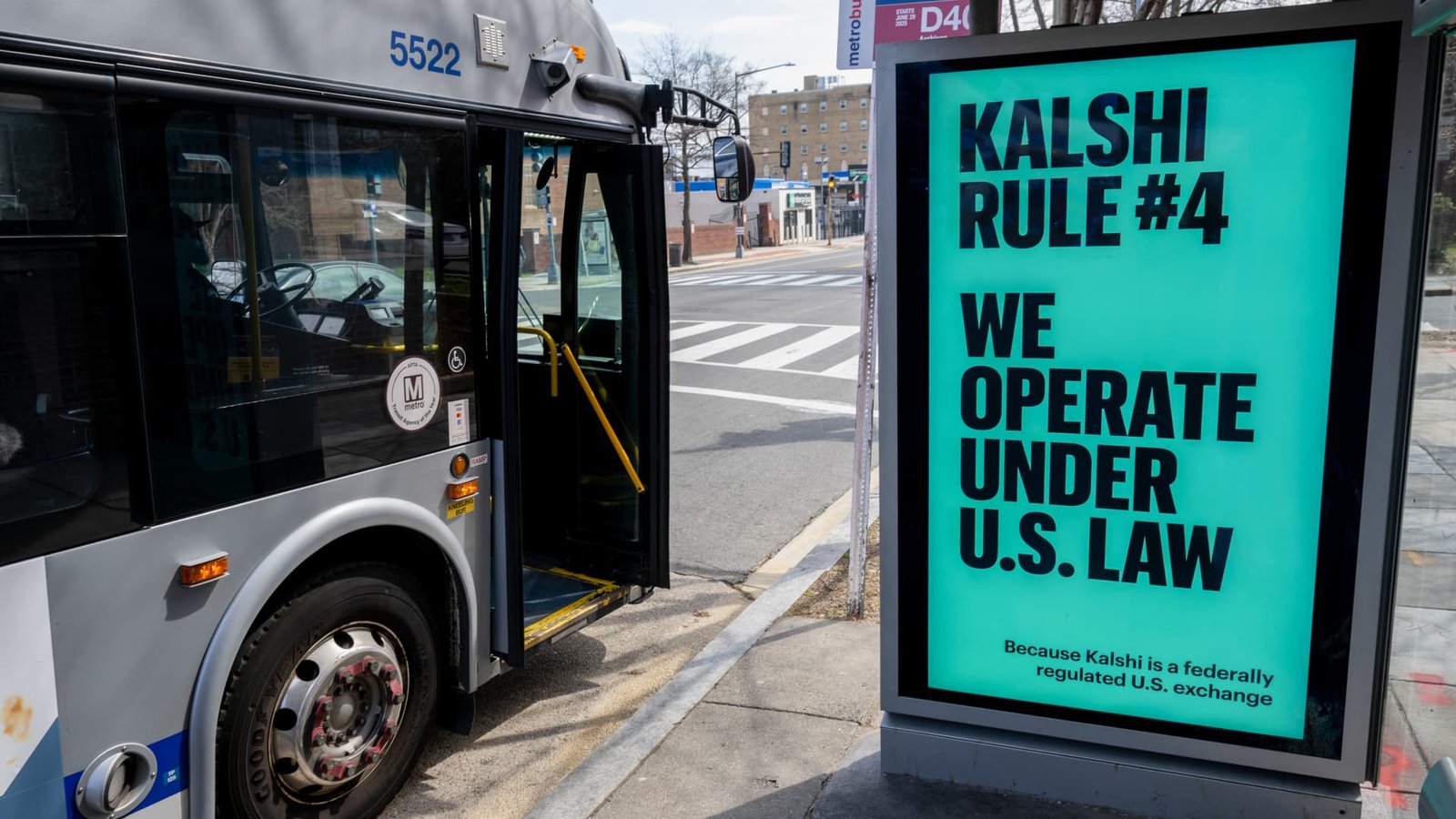
The 6th U.S. Circuit Court of Appeals has ruled that states can regulate sports-related event contracts on prediction market platforms, a significant legal challenge for the industry as it heads toward the U.S. Supreme Court. In a unanimous decision, a three-judge panel determined that Ohio and Tennessee can enforce their state gambling laws against Kalshi’s contracts. The court stated that Kalshi did not demonstrate that its sports event contracts qualify as "swaps" under the Commodity Futures Trading Commission (CFTC) jurisdiction.
Kalshi and similar platforms maintain that their offerings fall under the category of swaps, which are regulated by the CFTC. Conversely, state authorities assert that these contracts represent gambling and should thus be regulated according to state laws. This ongoing conflict has resulted in lawsuits filed by states to challenge the legality of these platforms, while the platforms counter with lawsuits to prevent enforcement of state regulations.
The CFTC has initiated legal action against nine states, defending its claim of exclusive authority under the Commodity Exchange Act. However, the 6th Circuit felt compelled to reject this assertion, emphasizing that the CEA does not preempt state gambling laws. This ruling overturns a previous decision made by a Tennessee federal district court in favor of Kalshi, while reinforcing an earlier Ohio court’s stance supporting state regulations.
Tennessee Attorney General Jonathan Skrmetti stated that Kalshi’s attempts to bypass local laws were thwarted, asserting the importance of safeguards in regulated sports betting. Meanwhile, Kalshi’s spokesperson expressed concern over the inconsistent legal landscape across states, emphasizing that a cohesive federal regulatory framework is critical for market operation.
The ruling marks a notable setback for prediction market platforms, following a similar decision from the 9th U.S. Circuit Court of Appeals affirming Nevada’s right to regulate such contracts.
Why this story matters:
- Legal precedents could shape the future of sports betting and prediction markets across the U.S.
Key takeaway:
- States maintain the right to regulate sports-related event contracts, complicating the industry’s operations.
Opposing viewpoint:
- Kalshi advocates for a unified federal regulatory framework, arguing that fragmented state laws hinder market efficiency.