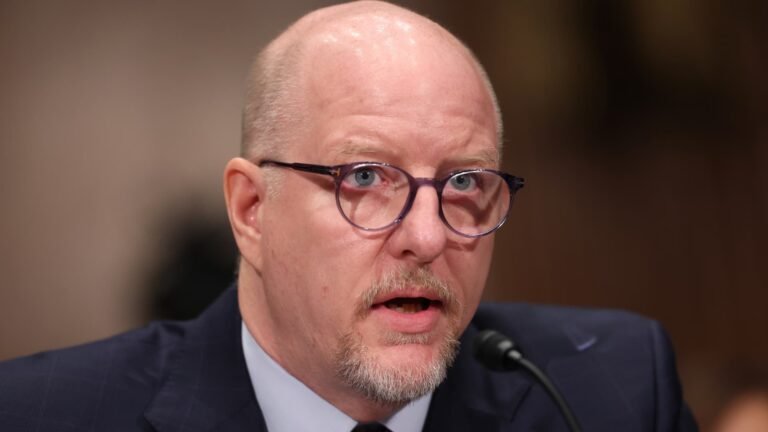



David Ellison, CEO of Paramount Skydance, announced ambitious plans for film releases following the company’s acquisition of Warner Bros. Discovery, aimed at merging two influential Hollywood studios. Under a new settlement with a coalition of state attorneys general addressing antitrust concerns, the combined entity is expected to release at least 30 films in 2027 and 32 films annually from 2029 to 2031. Currently, 35 films are scheduled for release next year, though industry experts remain cautious about the quality and sustainability of this output.
Paul Dergarabedian, head of marketplace trends at Rentrak, emphasized that while a robust pipeline of films could invigorate theatrical distribution, the success of these releases will depend on various factors, including audience reception and diversity of content. This merger comes as theaters are still recovering from the disruptions caused by the COVID-19 pandemic, which significantly impacted both production and movie-going habits.
While major cinema operators have welcomed the commitment to increased theatrical titles, not all industry stakeholders share this optimism. Concerns persist that the merger could lead to fewer overall releases and increased market power for the combined entity, impacting independent theaters. Some industry analysts also question whether Paramount can maintain its film output after the stipulated period, particularly given rising production costs and considerable debt.
The settlement stipulates that 20 of the films must have wide releases in over 2,000 theaters, but some experts underscored that this is a lower benchmark than expected. The industry is particularly interested in how the combined company will navigate scheduling for multiple releases, as competition for premium screens intensifies.
Why this story matters: The merger could reshape the film industry landscape, affecting theatrical distribution and competition.
Key takeaway: Paramount’s commitment to releasing a significant number of films aims to revitalize theaters but raises questions about quality and sustainability.
Opposing viewpoint: Critics argue that consolidation may hinder diversity in film offerings and negatively impact smaller theater operators.