

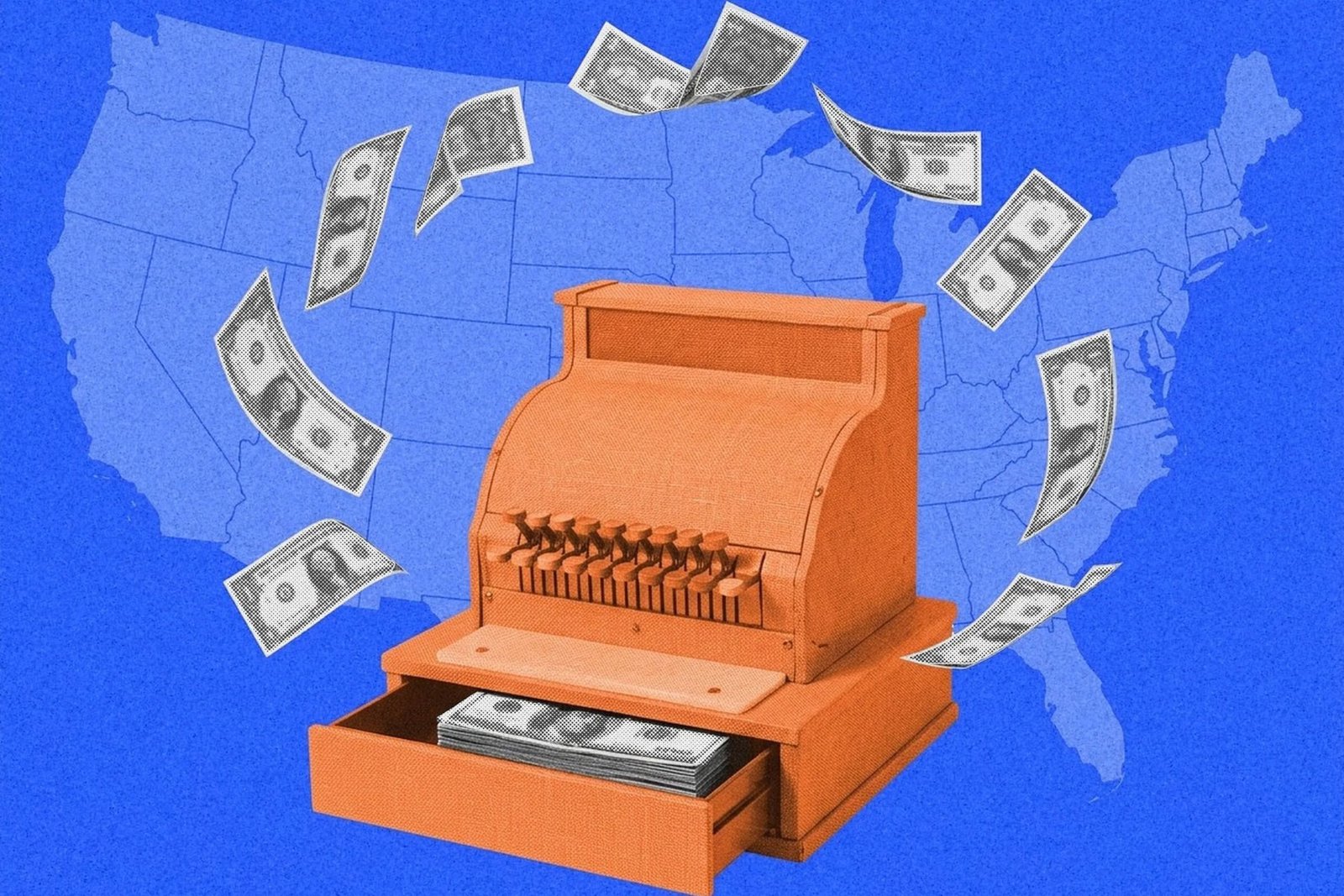
Beginning Thursday, Maryland will implement a new law mandating that businesses accept cash for essential goods, including food, medicine, and gasoline. Over recent years, many retailers have adopted cashless payment systems, a trend that accelerated during the COVID-19 pandemic. However, this shift has raised concerns for individuals who prefer or rely on cash transactions.
Maryland’s legislation marks the 10th state to require businesses to accept cash, joining states like Massachusetts, New Jersey, and New York. This law stipulates that merchants cannot refuse cash payments, charge different prices based on payment method, or mandate credit or debit card use for essential goods. However, merchants may decline to accept larger bills, such as those over $20, and can utilize machines that convert cash to prepaid cards without charging fees.
Similar requirements are in place across various states, including Colorado, Connecticut, Delaware, and New Jersey. Each state has outlined its own regulations regarding cash acceptance, often allowing businesses to offer cash-to-card conversion methods while stipulating fines for non-compliance. Colorado, for example, permits cash-to-prepaid card systems as an alternative to direct cash handling. Connecticut, Delaware, and New Jersey also have exemptions in categories like online sales and certain public services.
The enactment of Maryland’s law is positioned as a measure to ensure that all consumers, including those who do not use digital payment systems, retain equal access to essential goods.
Key points:
- Why this story matters: The law aims to enhance financial inclusivity by ensuring all customers can access essential goods, irrespective of payment preferences.
- Key takeaway: Over a dozen states have enacted similar legislation to balance the transition towards cashless transactions with the needs of cash-dependent consumers.
- Opposing viewpoint: Some businesses argue that cashless operations streamline transactions and reduce risks associated with handling cash.