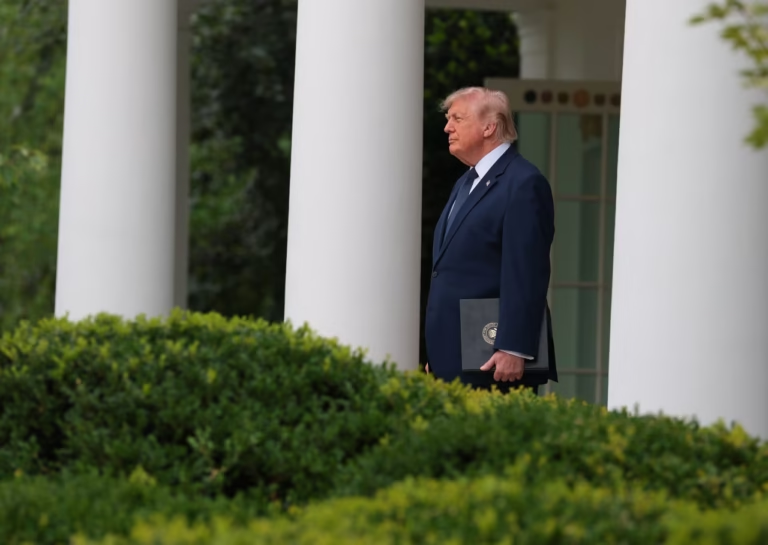


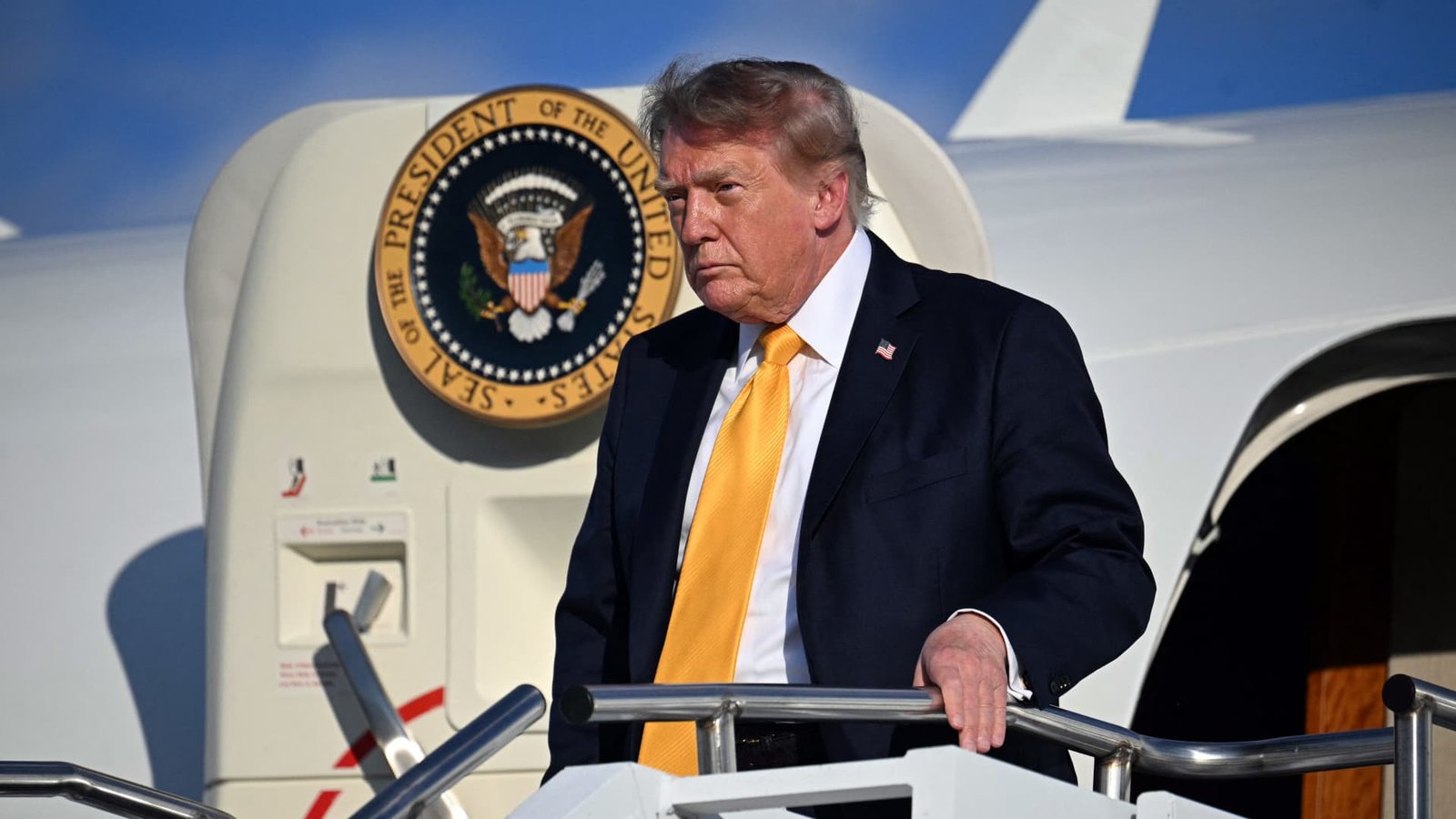
President Donald Trump has significant financial ties to a variety of public institutions across the United States through his investments in municipal bonds. As of the end of 2025, he held 807 municipal bond positions valued between $240.7 million and $797.6 million, which increased to over 1,000 positions worth between $300 million and $1 billion following additional purchases in 2026. This exposure has raised concerns about the potential for conflicts of interest, especially as Trump’s administration makes decisions affecting these very institutions.
Experts, such as Justin Marlowe from the University of Chicago, have noted the scale of Trump’s municipal bond portfolio is exceptional and operates similarly to an institutional fund. Certain bonds within his portfolio are linked to facilities and issuers that have received federal actions influenced by his administration, including economic relief or regulatory exemptions. For example, Trump purchased bonds related to coal-fired power plants after signing a proclamation that delayed compliance with stricter pollution regulations.
While neither Trump nor his management team have been shown to manipulate investments based on prior government knowledge, questions remain about the ethics of holding individual municipal bonds that directly benefit from federal policy decisions. Trump’s finances also include bonds associated with healthcare institutions, which may face funding cuts due to his administration’s legislative changes.
Financial analysts point out that Trump’s bond purchases align with a broader boom in the municipal debt market as municipalities increasingly borrow to fund various projects. The federal tax exemption on municipal bonds has made them particularly appealing for wealthy investors like Trump.
Bold Points:
- Why this story matters: Highlights potential conflicts of interest between Trump’s financial investments and federal policy decisions.
- Key takeaway: Trump’s extensive municipal bond portfolio raises ethical questions amid his administration’s regulatory actions.
- Opposing viewpoint: Trump’s representatives assert that investment decisions are managed independently, minimizing conflict-of-interest risk.