



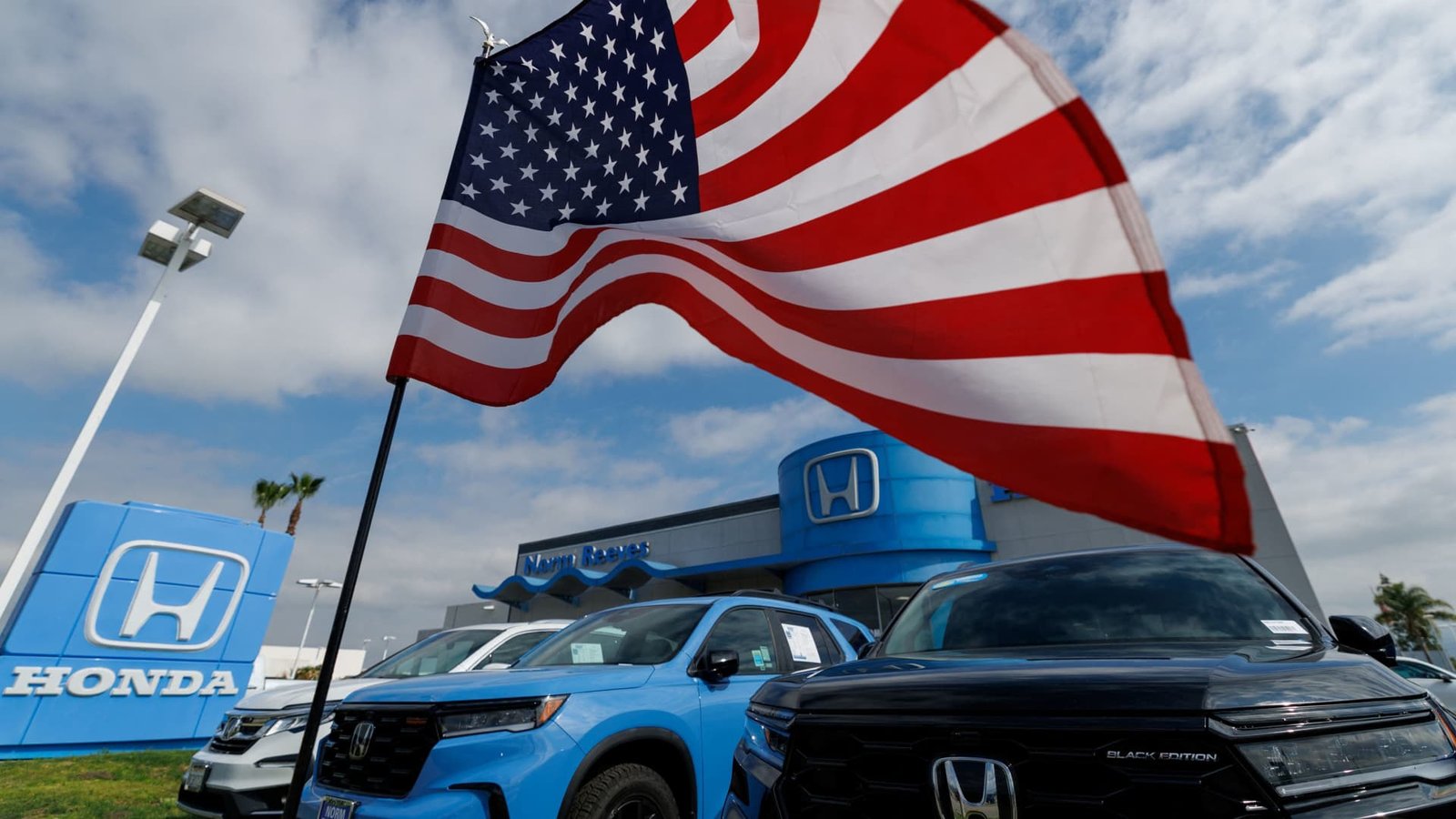
The automotive industry could face significant challenges if the U.S. and Canada do not secure a new trade agreement by the end of the year, according to Jennifer Thomas, senior vice president of corporate affairs at American Honda Motor Co. At a recent automotive conference in Detroit, Thomas warned that President Trump’s threat to double tariffs on Canadian vehicles and parts from 25% to 50% on January 1 could lead to a "catastrophic" impact on the industry.
Thomas emphasized the need for a trilateral deal that includes Mexico, similar to the United States-Mexico-Canada Agreement (USMCA), which replaced the North American Free Trade Agreement in 2020. Trade organizations representing various automotive manufacturers have been advocating for such comprehensive arrangements over bilateral deals.
Her remarks come in the wake of U.S. Trade Representative Jamieson Greer’s announcement that the USMCA will move into an annual review process instead of being automatically extended for 16 years. Despite this uncertainty, Thomas expressed cautious optimism for an agreement, noting that recent reports indicate renewed trade discussions aimed at alleviating tariffs on key materials, including aluminum.
Honda ranks as the second-largest vehicle producer in Canada, following Toyota. However, Thomas highlighted that over 60% of the vehicles Honda sells in the U.S. are manufactured domestically at various assembly plants. She conveyed her worries about North America’s comparative disadvantage in tariff rates, especially when contrasting with trade agreements the Trump administration established with countries like Japan and South Korea.
Why this story matters:
- The outcome of trade negotiations could significantly impact the automotive industry’s competitiveness and consumer prices.
Key takeaway:
- A trilateral trade agreement is considered vital for maintaining operational stability and competitiveness within the North American automotive sector.
Opposing viewpoint:
- Some critics argue that increasing tariffs could be beneficial for American manufacturers by protecting them from foreign competition.