


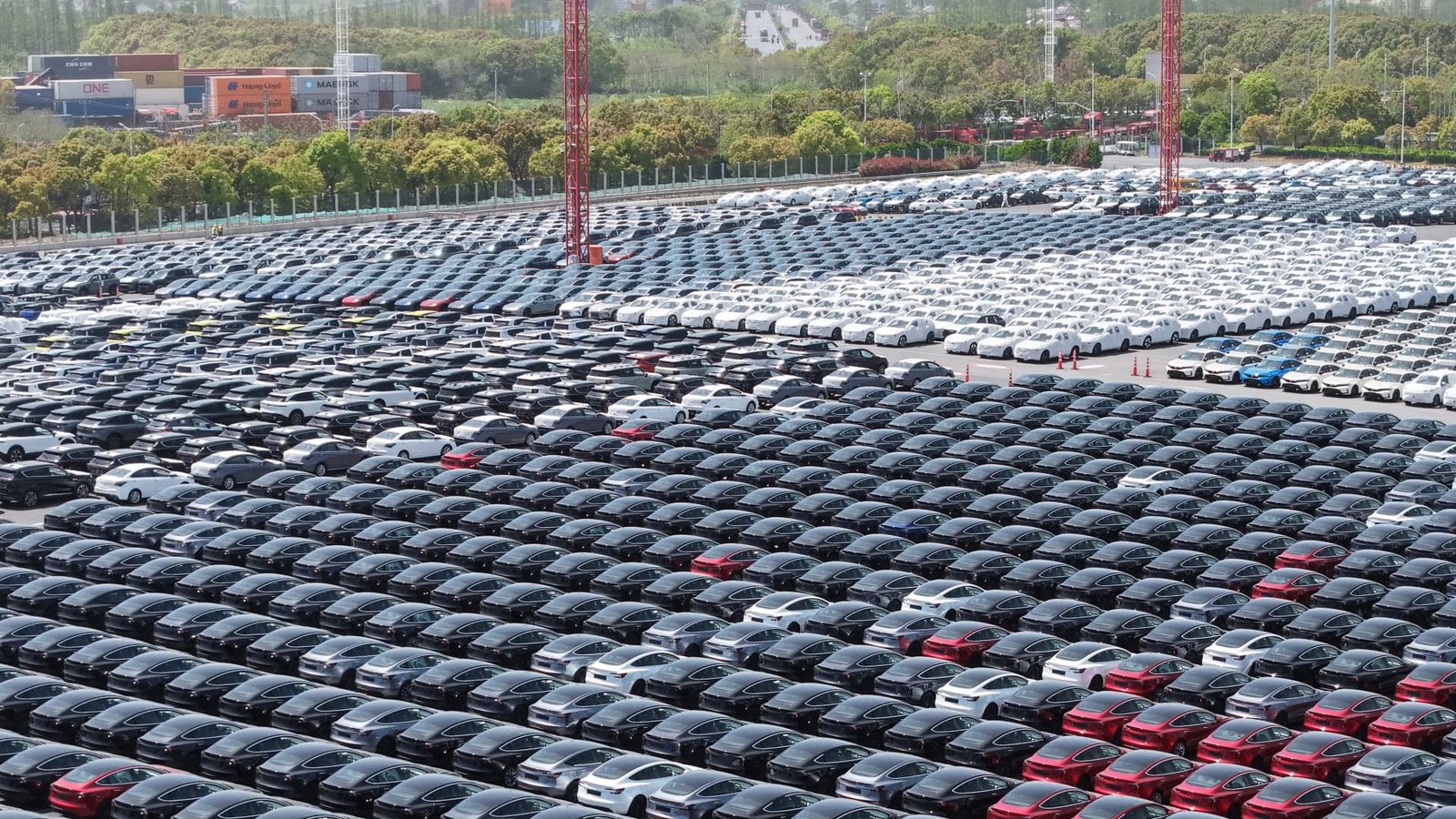
Dealerships in Beijing are currently experiencing an unprecedented decline in automotive sales, traditionally peaking during the autumn months. Li Ke, a car salesman with 26 years of experience, noted that his showroom has become nearly vacant, with only two to three sales completed weekly, a stark contrast to previous years when business was brisk.
The downturn in car sales can be attributed to several factors, including an unstable job market and falling property prices, which have eroded consumer confidence. Additionally, the Chinese government has reduced incentives, such as cash-for-clunkers programs and tax breaks for electric vehicles, which previously encouraged purchasing.
Data from the China Passenger Car Association indicates that passenger car retail sales in China totaled 13.33 million units through September 2026, reflecting a 21.7% decrease compared to a year earlier. Projections suggest a further decline, with total sales anticipated to drop by 22% for the year, falling below figures from the initial pandemic year. The reduction is noteworthy even for electric vehicles, where sales of new-energy vehicles—including EVs—declined by 12.8% in the same period.
Li highlighted a shift in consumer behavior, noting that buyers are becoming more budget-conscious and deliberate, opting to weigh practicality and cost-effectiveness before making significant purchases. Heightened competition has also led to aggressive pricing strategies, prompting many Chinese automakers to explore overseas markets amid fears of potential trade barriers from partners like the U.S. and Europe.
As profits in the automotive sector declined by 22.8% year-on-year through September, dealerships are adapting by reducing costs, such as relocating to less expensive locations. Li stated that the prevailing consumer mindset will likely delay big-ticket purchases further.
Why this story matters
- The decline in car sales may signal broader economic issues in China.
Key takeaway
- Consumer confidence is faltering, affecting big-ticket purchases like cars.
Opposing viewpoint
- Some analysts argue that the shift towards electric vehicles may eventually drive a rebound in the market despite current challenges.