



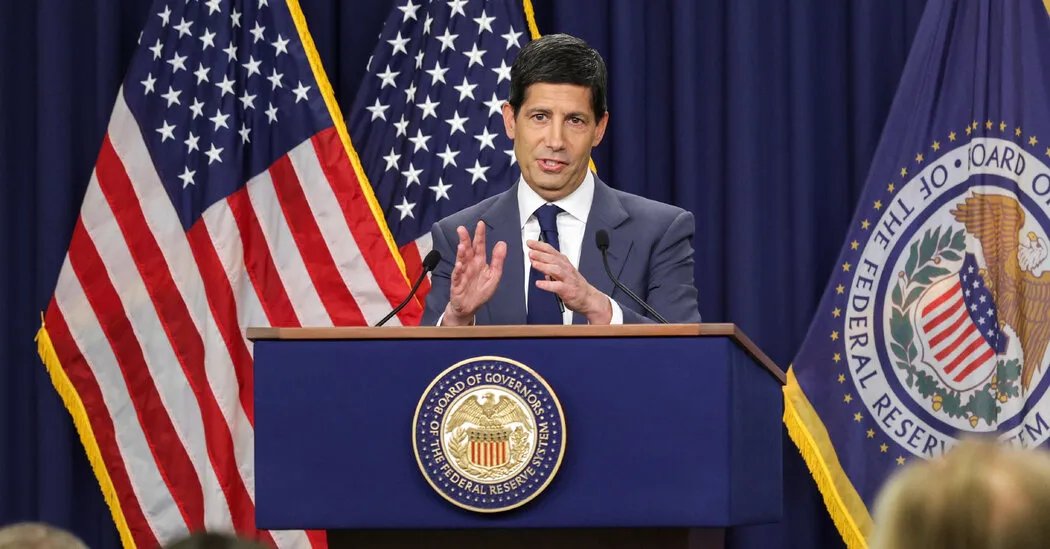
On October 28, 2026, a notable shift in market dynamics was observed following comments made by financial expert Warsh. The yield on short-term two-year Treasury securities decreased to 4.71 percent, while the yield on the longer-term 10-year Treasury rose to 5.04 percent. This rise in the 10-year yield was attributed to an increase in the breakeven inflation rate, which reflects market investors’ expectations regarding future inflation.
George Goncalves, who leads U.S. macro strategy at MUFG Securities, remarked that the market’s reaction suggests a disconnect between rhetoric and results concerning inflation management. He emphasized that investors perceive a gap between statements about controlling inflation and the actual progress being made.
The divergent movements in Treasury yields indicate a complex interplay of investor confidence and inflation expectations, which could impact future monetary policy and economic strategies.
- Why this story matters: The shifting yields may influence borrowing costs and economic growth.
- Key takeaway: Investor perceptions of inflation control are crucial for market stability.
- Opposing viewpoint: Some argue that the market’s response may overstate the economic implications of short-term fluctuations in Treasury yields.