


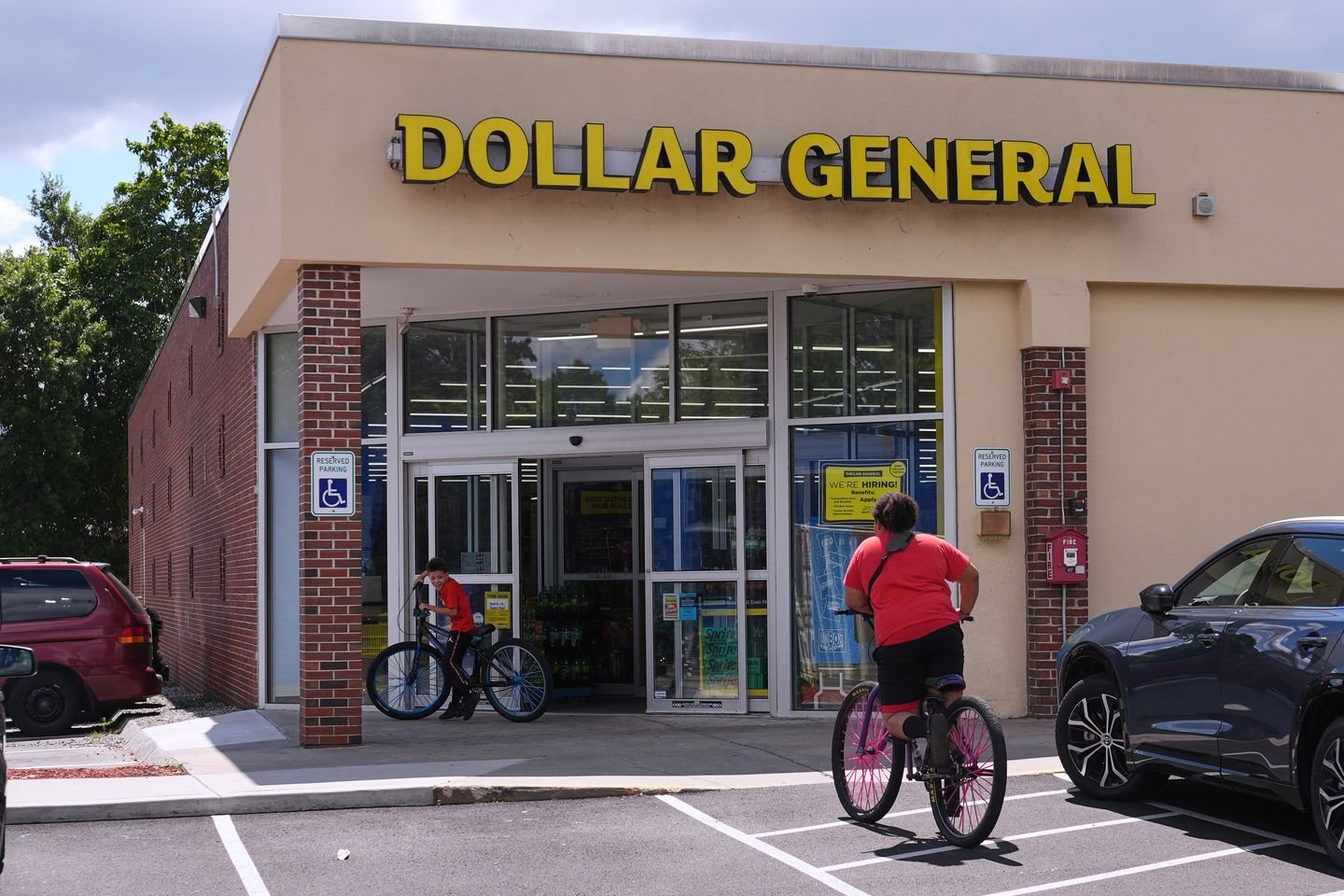
The Federal Trade Commission (FTC) has initiated a lawsuit against Dollar General, a prominent discount retail chain, alleging that the company has engaged in deceptive pricing practices that resulted in overcharges to customers. The lawsuit claims that consumers have been misled by the store’s pricing strategies, citing specific instances where advertised prices were not accurately reflected at the register.
The FTC’s action highlights ongoing concerns regarding transparency and fairness in retail pricing, particularly in stores catering to budget-conscious shoppers. Through this legal challenge, the agency aims to protect consumers from potentially deceptive marketing practices and ensure that retailers adhere to accurate pricing standards.
Dollar General has yet to publicly respond to the allegations, but the lawsuit adds to a series of regulatory scrutiny faced by discount retailers. Advocates for consumer protection believe that such actions are crucial in fostering an environment where shoppers can trust the prices they see advertised. Meanwhile, some in the retail sector argue that pricing discrepancies can occur innocently, often due to clerical errors or outdated price tags.
The outcome of this lawsuit may have significant implications for Dollar General as well as for broader pricing practices among discount retailers nationwide, potentially influencing how stores manage pricing strategies in the future.
Why this story matters
- Indicates increasing regulatory oversight in retail pricing practices and consumer protection.
Key takeaway
- The FTC’s lawsuit against Dollar General underscores the importance of accurate pricing and transparency for consumers.
Opposing viewpoint
- Retailers may argue that pricing discrepancies are often unintentional and not indicative of deceptive practices.