


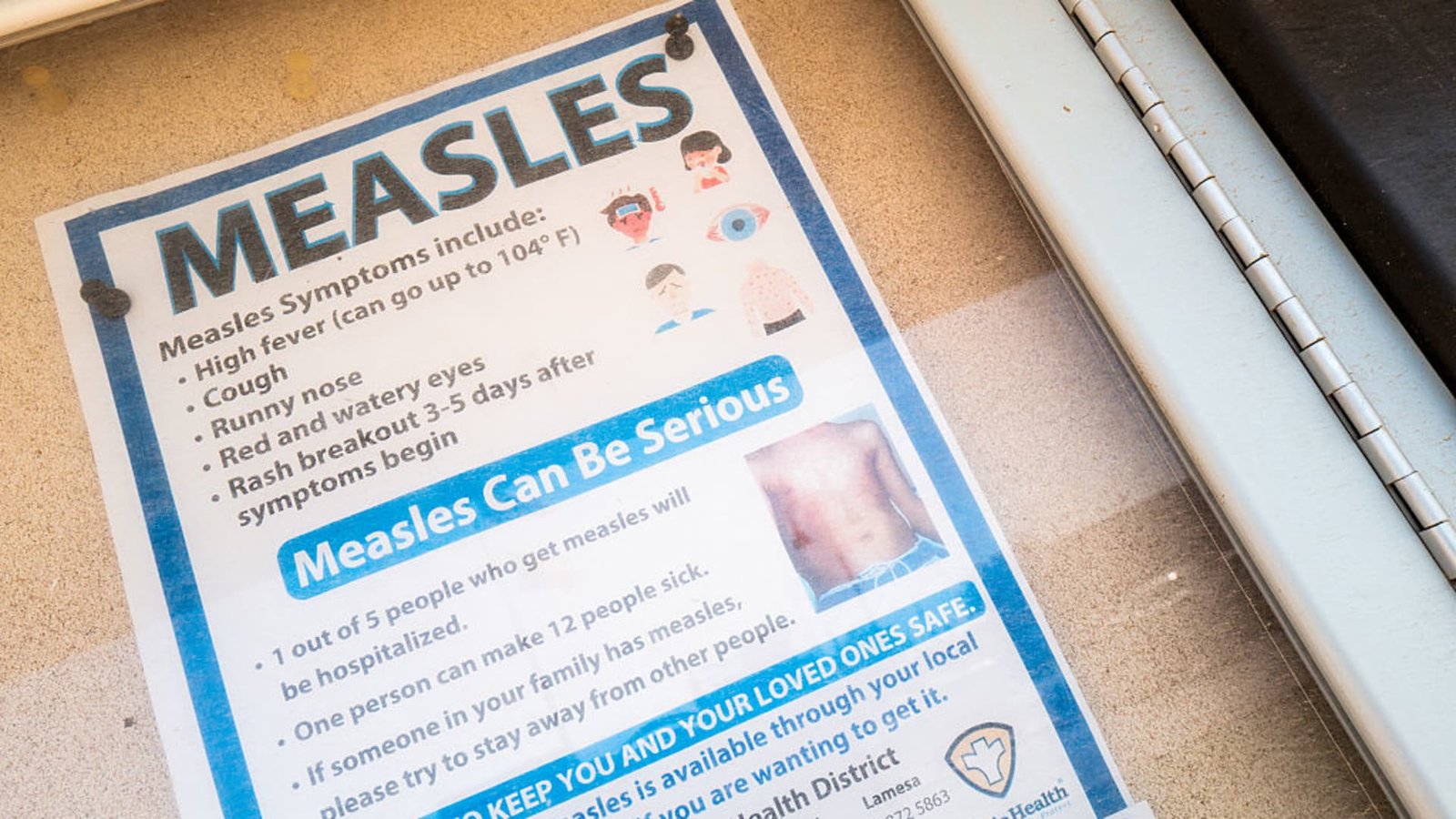
The United States is facing a resurgence of measles, with over 4,400 cases reported this year and at least three fatalities, marking the most significant outbreak in over 30 years. Following nearly 2,300 cases in 2025, this increase highlights not just the disease itself, but broader issues within public health, including declining vaccination rates and waning trust in health institutions.
Measles is particularly concerning due to its high transmissibility, revealing weaknesses in the country’s public health defenses. With a highly effective vaccine available for decades, public health experts say the outbreak reflects issues such as growing vaccine hesitancy and changes in policy affecting vaccination practices. Data from the Centers for Disease Control and Prevention (CDC) indicate that vaccination coverage among U.S. kindergarteners has fallen to 92.4%, below the 95% needed for herd immunity.
Low immunization rates are focused in communities with close social ties, raising concerns about contagion risks, especially for infants and individuals who cannot be vaccinated for medical reasons. While there is broad support for childhood vaccines, many adults remain ambivalent, allowing misinformation to sway decisions.
Public health experts are warning that if vaccination rates do not improve, measles could become endemic again in the U.S., potentially leading to hundreds of thousands of cases over the coming decades. Other diseases also face similar risks due to declining vaccination coverage, with the possibility of outbreaks from vaccine-preventable illnesses like rubella and polio.
The current measles outbreak underscores the necessity for effective public health infrastructure and preparedness to handle future infectious disease threats, both natural and potentially man-made.
Why this story matters:
- The resurgence of measles indicates vulnerabilities in public health systems and vaccination efforts.
Key takeaway:
- Without improved vaccination rates, the U.S. risks losing its measles elimination status and facing severe outbreaks of other diseases.
Opposing viewpoint:
- Some experts believe that low measles cases do not necessarily reflect a broader reluctance among the public to accept vaccines during emerging health crises.