


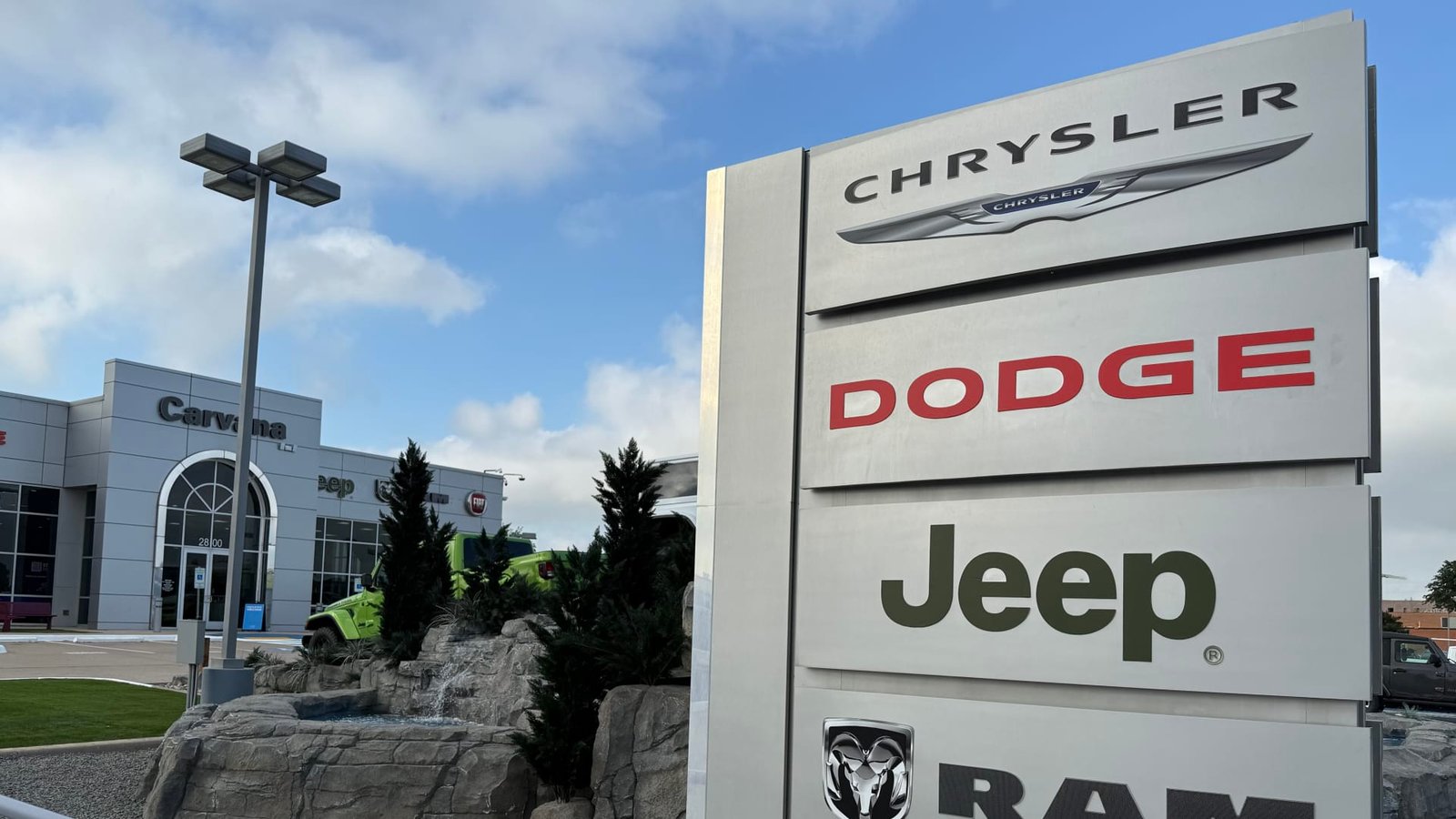
Shares of Stellantis saw a notable increase on Wednesday, following the release of the European automaker’s third-quarter financial results, which indicated progress in its ambitious €60 billion turnaround plan. Revenues for the third quarter rose 1% to €37.6 billion compared to the same period last year, while adjusted operating income surged 184%, reaching €256 million, up from €90 million a year earlier.
The company’s industrial free cash flow showed improvement, recorded at negative €4 billion, a slight enhancement from negative €4.3 billion last year. Stellantis reaffirmed its guidance for 2026, underlining its goal to achieve positive free cash flow by next year, a key focal point for investors. RBC Capital Markets analyst Tom Narayan noted that while the third quarter may have been soft, expectations were lower, highlighting that Stellantis maintained its guidance while other automakers faced rising costs.
Stellantis’s stock increased 13% on the New York Stock Exchange, closing at $4.69 per share, while shares in Milan rose 15.4% to €4.28. Despite these gains, stock prices remain significantly lower compared to the beginning of the year. CEO Antonio Filosa stated that the company is ahead in its turnaround efforts announced in May, predicting they would exceed the initial cost-cutting target of €6 billion by 2028, with €2.4 billion anticipated to be saved into 2027.
The automaker’s turnaround plan involves investing €36 billion across its brands, allocating 60% to its North American sector, and aims for roughly 23% revenue growth by 2030, targeting €190 billion with a 7% adjusted operating margin.
Stellantis, like other European car manufacturers, faces increasing competition in China from domestic brands, prompting concerns about sales and future growth in that market.
Why this story matters:
- The financial performance of Stellantis reflects broader trends in the automotive industry, particularly related to turnaround strategies and competition.
Key takeaway:
- Stellantis is making progress on its turnaround plan despite challenges, showing a commitment to long-term growth and sustainability.
Opposing viewpoint:
- Some analysts express skepticism about the company’s ability to achieve its ambitious targets amid rising competition, particularly from Chinese manufacturers.