

The Genesis Mission, the United States’ new national initiative aimed at maintaining a competitive edge in artificial intelligence (AI), has generated considerable optimism regarding future advancements. However, a significant concern looms: the scarcity of electrical power may hinder these efforts.
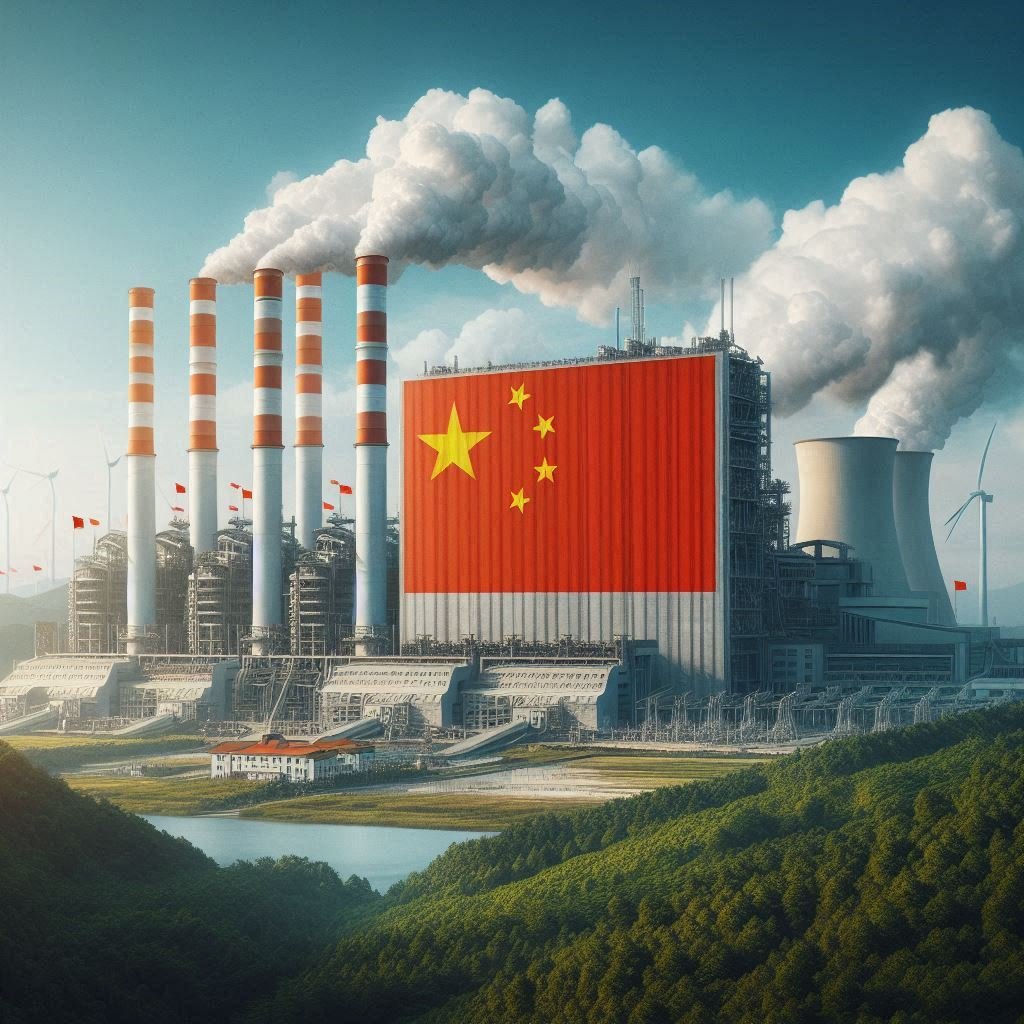
Recent data illustrates China’s sharp increase in electricity consumption from 2000 to today, reflecting a strategic investment in energy infrastructure that supports its rapid economic growth and modernization efforts. This surge, comparable to the entire European Union’s electricity demand over just six years, underscores China’s long-term planning to meet the expected global surge in electricity requirements stemming from AI, automation, and advanced manufacturing.
In contrast, the U.S. faces challenges in keeping pace with its own energy needs. Rapid expansion of data centers has outstripped utility capabilities to approve new energy generation. Grid operators are sounding alarms about potential supply shortages, and new industrial projects are being stalled due to insufficient power availability.
Experts suggest that electricity may become a more critical bottleneck for AI development than semiconductor chips in the near future. While the U.S. has the innovation potential to address these challenges, the urgency to upgrade its energy infrastructure is paramount. The Genesis Mission recognizes power supply as a element of national strategy, emphasizing the necessity for a robust energy framework to support emerging AI technologies. If the U.S. aims to lead in the race toward artificial superintelligence, enhancing electrical capacity is essential, especially as China continues to solidify its advantage in power production.
Why this story matters:
- Understanding the link between energy infrastructure and technological advancements is crucial for national competitiveness.
Key takeaway:
- Upgrading electrical capacity is vital for the U.S. to compete effectively in the AI domain.
Opposing viewpoint:
- Some argue that the U.S. can innovate rapidly enough to overcome energy challenges without extensive infrastructure changes.