
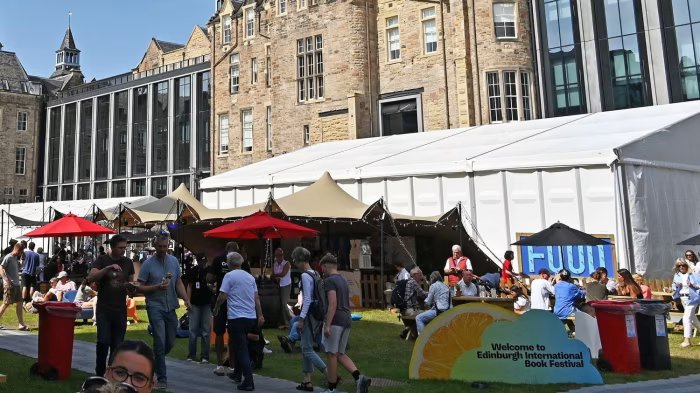
In the summer of 2024, Baillie Gifford, a prominent Scottish investment firm with £208 billion in assets under management, faced significant backlash from activist groups leading to the suspension of sponsorship agreements with major UK literary events, including the Hay Festival and the Edinburgh International Book Festival (EIBF). Protests erupted due to the firm’s investments in fossil fuels and companies associated with controversial geopolitical issues, prompting fears of boycotts and author withdrawals from the festivals.
Baillie Gifford, a long-term sponsor of the EIBF, had focused its support on educational programs allowing local students to attend the festival. However, the firm’s cancellation of sponsorships, totaling approximately £1 million annually, followed rapidly after both festivals distanced themselves. A representative from Fossil Free Books expressed surprise at the swift action taken by the Hay Festival, stating their campaign aimed to encourage a dialogue rather than immediate withdrawal.
Nick Thomas, a partner at Baillie Gifford, characterized the claims regarding their investments in occupied territories as misleading, asserting that the firm’s exposure to fossil fuels is less than the industry average. He emphasized that calls for divestment from popular global companies are impractical.
While festivals like the EIBF rely heavily on private sponsorships alongside ticket sales and public funding, the abrupt termination of such agreements raises concerns over financial viability. Increased ticket sales this year suggest some mitigation of losses, yet experts warn that higher prices could deter attendance.
The situation exemplifies a broader tension in the arts community regarding corporate sponsorship, the potential for reputational risks, and the increasing need for public funding to sustain cultural events amid shifting public sentiment.
Why this story matters: The pressures of activism can significantly impact corporate sponsorships, affecting the financial health of cultural institutions.
Key takeaway: The balance between corporate support and public accountability is becoming increasingly complex for literary festivals.
Opposing viewpoint: Critics argue that the arts should not rely on corporate funding, advocating for greater public investment to support cultural initiatives.