


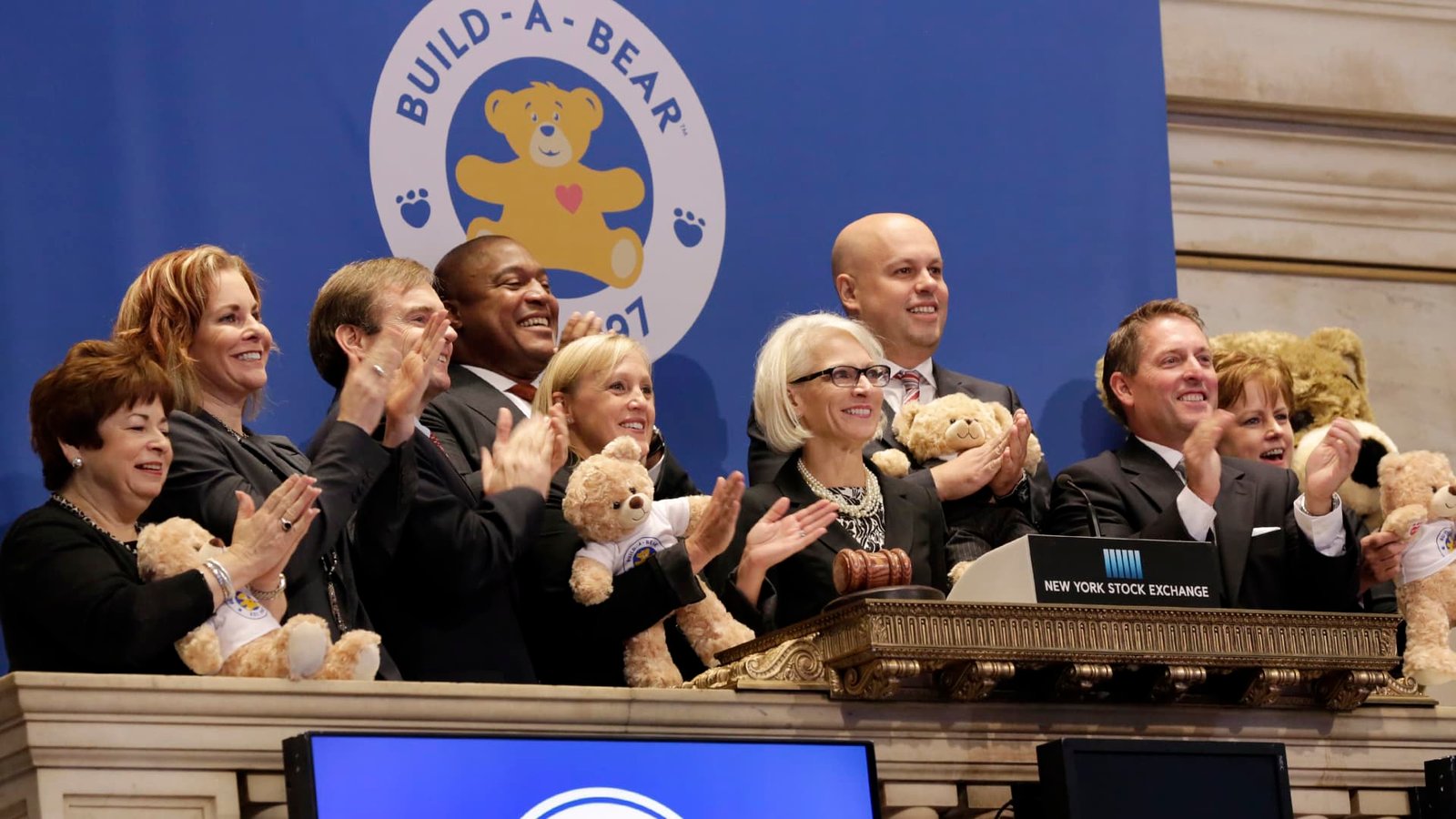
Build-A-Bear Workshop has undergone a remarkable transformation since CEO Sharon Price John took charge in 2013. Initially facing significant challenges, the brand’s fortunes began to shift as Price John identified the core issue: rather than having a broken brand, the company was grappling with operational difficulties. She emphasized the emotional connection people have with Build-A-Bear, which helped guide their strategy for recovery.
After an expansion phase that began in the early 2000s, Build-A-Bear’s stock plummeted following the 2008 financial crisis, culminating in a reported loss of $49 million in fiscal 2012. Under Price John’s leadership, the company diverted its focus towards e-commerce, redistributing orders from a distribution center to its physical stores, and diversifying sales channels beyond mall locations. This strategic pivot led to sustained profitability across nearly all locations, with the company’s stock rising dramatically—hitting an all-time high of approximately $76 in September, despite some recent declines.
However, the company faces challenges, particularly from tariffs, as approximately 90% of its products are sourced from China and Vietnam. In their latest earnings report, Build-A-Bear projected an $11 million impact from tariffs for fiscal 2025 and noted a decline in customer traffic amid a government shutdown. Analysts have adjusted their revenue forecasts in light of the situation, recognizing that the company continues to outperform many competitors with an anticipated annual revenue of $500 million this year.
Why this story matters: The turnaround of Build-A-Bear highlights the importance of adaptability in retail.
Key takeaway: Focused shifts towards e-commerce and profitability have revitalized Build-A-Bear.
Opposing viewpoint: Growing tariff impacts and changing consumer behaviors may challenge the company’s ongoing success.