


Poland is set to implement a new law requiring real estate developers to include bomb shelters in most new buildings starting in 2026. This initiative comes as the country intensifies efforts to enhance its civilian defenses amid ongoing threats from Russia, following a history marked by invasions. Recent incidents, including an attack on a train line by alleged Russian operatives and the downing of drones by NATO fighter jets, have underscored vulnerabilities in Poland’s current defense infrastructure.
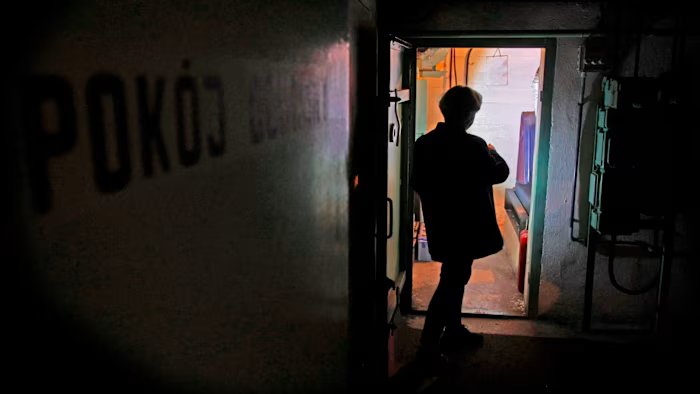
Despite leading NATO in military spending at nearly 5% of GDP, Poland’s civilian protection measures are lacking, with many existing shelters dating back to the communist era and now in disrepair. National Security Bureau head Sławomir Cenckiewicz emphasized the urgent need to bolster civilian resilience. The Polish government has allocated approximately 16 billion zlotys (around €3.8 billion) in its budget for shelter construction this year, with local cities also contributing funds to upgrade facilities.
An example of this initiative is Warsaw’s mayor, Rafał Trzaskowski, announcing plans to convert the city’s metro system into a shelter to accommodate up to 100,000 individuals. Poland is looking to Finland for inspiration, a country well-prepared with a vast network of bomb shelters. However, Poland faces unique challenges due to its larger population and existing infrastructure inadequacies.
Business opportunities are emerging in shelter construction, highlighted by a recent collaboration between Polish company Atlas Ward and Finnish manufacturer Temet. While excitement grows, concerns remain regarding the need for stringent building regulations to avoid ineffective spending. Recently retired General Jarosław Gromadziński noted the difficulty in transitioning from military development to effectively safeguarding civilians.
Why this story matters: Poland’s proactive measures reflect growing security concerns in Eastern Europe amid heightened tensions with Russia.
Key takeaway: The inclusion of bomb shelters in new buildings signifies a significant shift in Poland’s approach to civilian defense.
Opposing viewpoint: Critics argue that without strict regulations, the quality and efficacy of the shelters may be compromised.