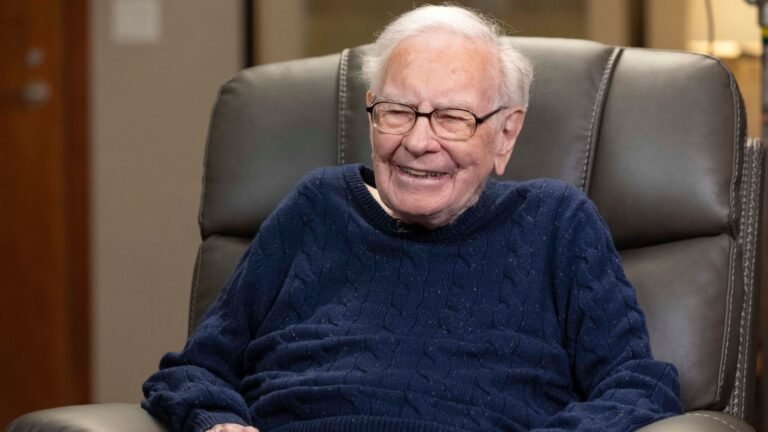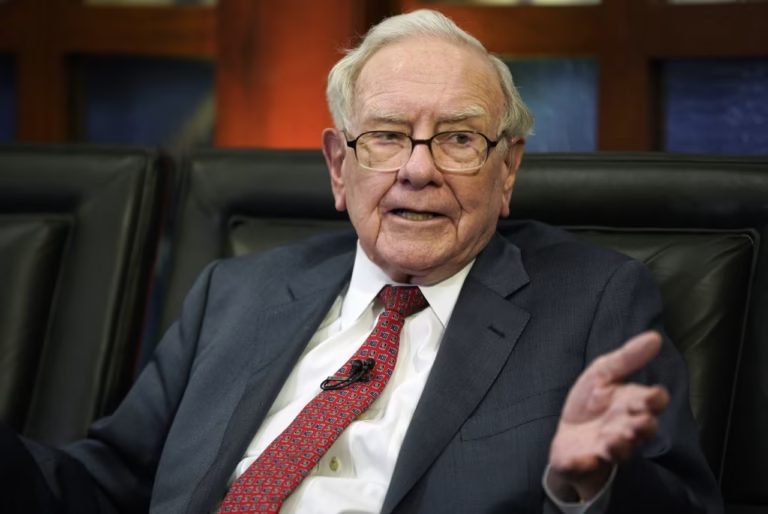
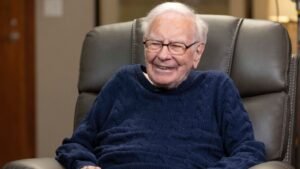
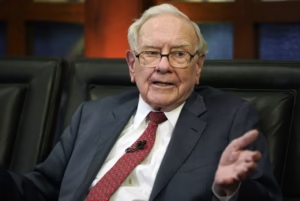

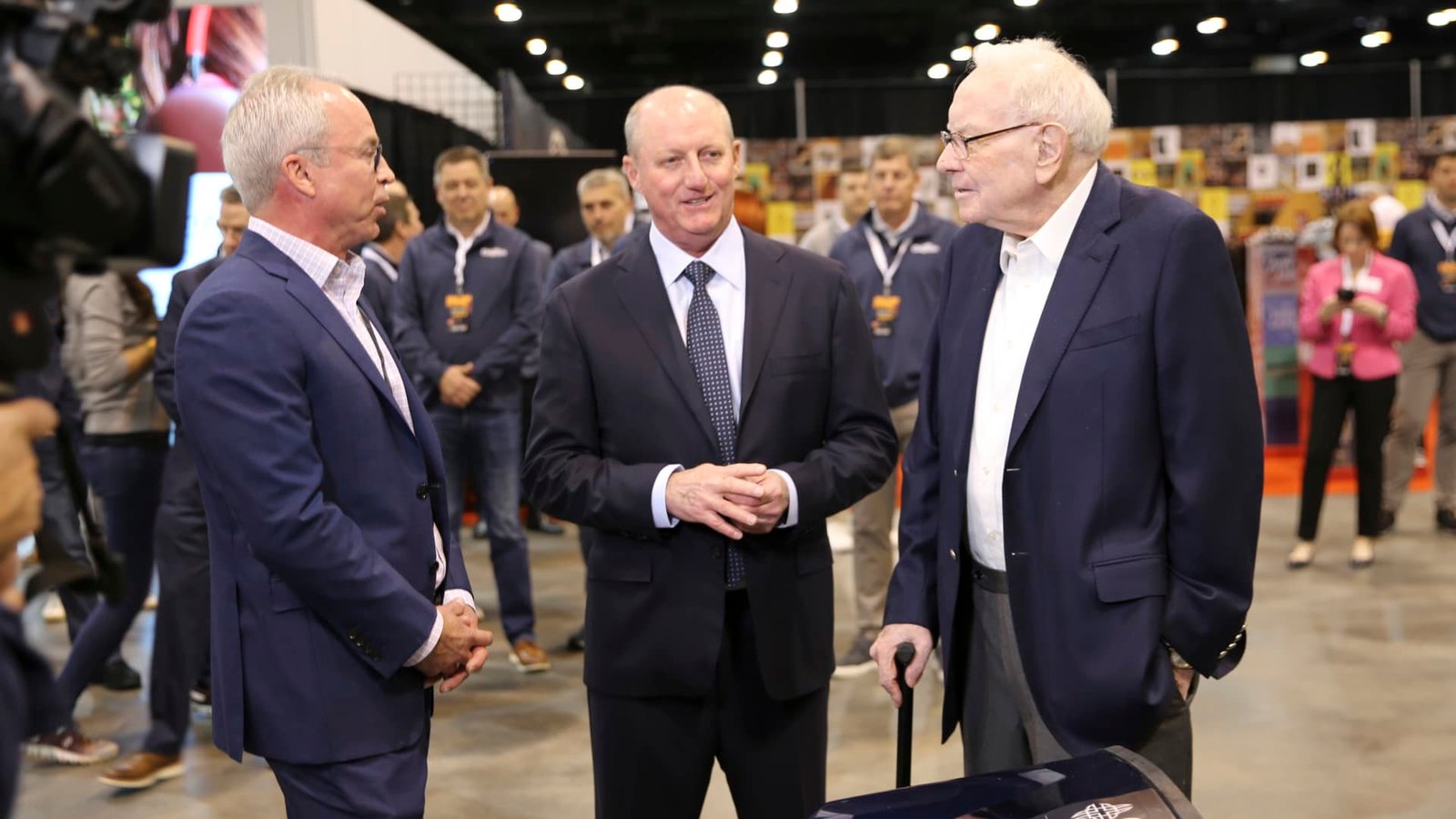
Warren Buffett has officially transitioned from his role as CEO of Berkshire Hathaway to Greg Abel during the company’s Annual Shareholders Meeting held in Omaha, Nebraska, on May 3, 2025. Buffett, who has led Berkshire for six decades, transformed the firm from a modest textile company into a powerhouse of market investment, leaving shareholders with concerns about the future trajectory of the conglomerate.
Since Buffett took control in the mid-1960s, Berkshire’s Class A shares have soared from approximately $19 to over $750,000 by the end of 2025. The company’s compounded annual gain during this period stood at 19.9%, vastly outpacing the S&P 500’s 10.4%. Buffett’s success used a straightforward strategy: leveraging insurance float as low-cost capital, acquiring businesses with reliable cash flows, and allowing time to enhance investments. Notable investments include long-term stakes in companies like Coca-Cola and American Express.
As he steps away from daily management, Buffett has indicated he will take a quieter role while remaining chairman. Abel will now oversee Berkshire’s annual shareholder letters, a practice that has become integral to Wall Street. Buffett will continue to contribute by writing a Thanksgiving message.
Buffett’s absence raises questions among analysts concerning the management of Berkshire’s extensive $300 billion equity portfolio, particularly with no clear successor matching his investment prowess. An emphasis on Berkshire’s culture of patient, long-term investment is expected to persist, as expressed by long-time shareholders who trust in the firm’s strategic direction.
Berkshire’s current financial position looks robust, with $381.6 billion in cash, but it has also demonstrated a noteworthy retreat from equity investment, which some attribute to a lack of appealing opportunities in the market.
Why this story matters: The transition marks the end of an era in investment leadership, with potential implications for market strategy.
Key takeaway: Buffett’s legacy and investment strategies have set a high bar, and the future under Abel may differ in management style and focus.
Opposing viewpoint: Some analysts fear that Berkshire’s success may not be replicable without Buffett’s unique approach and insight into the market.