


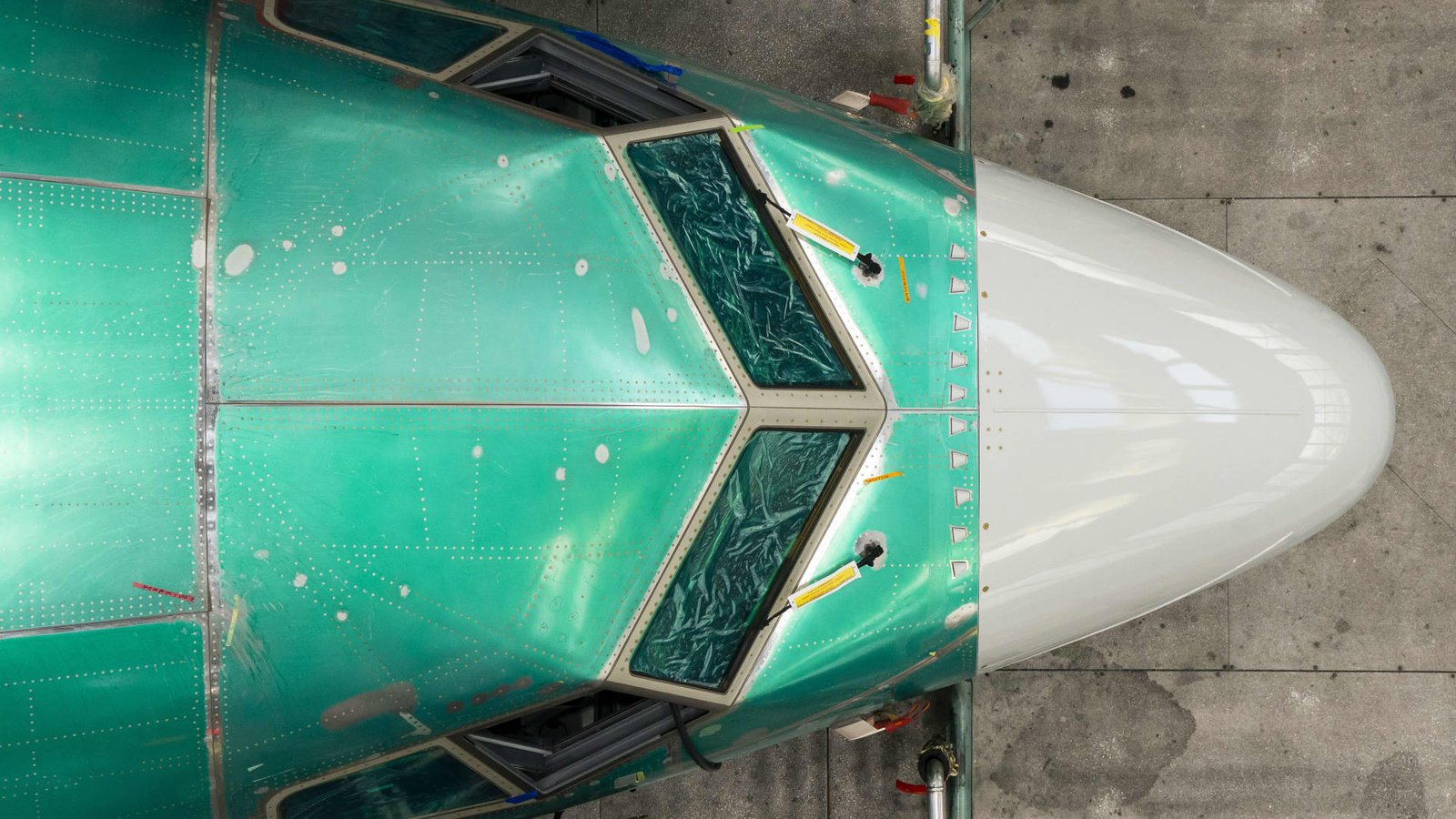
Boeing is poised to announce its highest airplane deliveries since 2018, indicating a significant recovery following a series of safety issues and production setbacks. The company, recovering from the two tragic 737 Max crashes in 2018 and 2019 as well as recent quality control failures, is now increasing its production levels for its most popular models, the 737 Max and the 787 Dreamliner.
Under the leadership of CEO Kelly Ortberg, who returned from retirement to guide the company, Boeing has implemented changes that have enhanced its manufacturing process and reduced errors. The Federal Aviation Administration (FAA) has also granted Boeing the authority to issue airworthiness certificates for some models, reflecting growing confidence in the company’s operations.
Last year, Boeing delivered 348 aircraft, a marked improvement from the previous year’s 528—a figure that remains low compared to the 806 deliveries in 2018. Following the FAA’s approval, Boeing increased its monthly production cap for the 737 Max, with expectations to expedite production rates further in the coming years.
The strong demand for air travel, coupled with a robust order book, positions Boeing well for continued growth. The company recorded 1,000 gross orders by November, outpacing competitor Airbus in new orders but still trailing in total deliveries. Analysts express optimism about Boeing’s potential return to profitability in 2026, though delays in certifications for some aircraft models continue to pose challenges.
As the aviation market rebounds, airlines are already securing orders for decades into the future, indicating sustained demand for new aircraft.
Why this story matters
- Boeing’s recovery signals a pivotal moment for the aviation industry, reflecting improvements in safety and production.
Key takeaway
- Increased production capabilities and growing demand for aircraft suggest that Boeing may soon return to profitability.
Opposing viewpoint
- Despite improvements, notable certification delays for several aircraft models continue to hinder Boeing’s recovery efforts.