


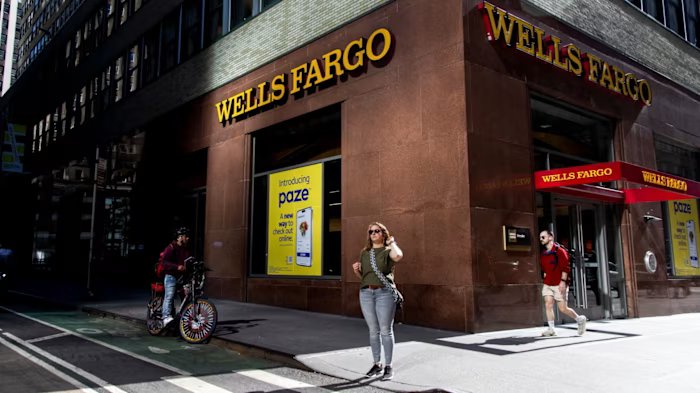
Wall Street experienced a significant sell-off on Wednesday, driven primarily by disappointing fourth-quarter earnings from major U.S. banks. The S&P 500 index fell by 0.9% in morning trading, marking its largest decline since mid-December. Wells Fargo and Citigroup were notable underperformers, with their stocks dropping by 4.7% and 3.4%, respectively. Citigroup reported a 13% decrease in profit for the quarter, despite a 2% year-on-year revenue increase. Similar concerns were echoed by Wells Fargo, which posted lower-than-expected net income.
JPMorgan Chase, which reported a 7% profit decline on Tuesday, attributed its poor performance to an unexpected drop in investment banking revenues and increased reserves for potential loan losses. The situation has been further complicated by President Donald Trump’s recent proposal to cap credit card interest rates at 10%, creating additional uncertainty in the banking sector.
Arun Sai, a multi-asset strategist at Pictet Asset Management, noted that investors had come to expect solid earnings from banks at the start of the earnings season; however, the looming interest rate cap has dampened optimism. Last year, the six largest U.S. banks saw an increase of $600 billion in market value, aided by the Trump administration’s deregulation efforts, which some believe could unlock up to $2.6 trillion in lending capacity across the country.
In parallel, the tech sector also faced challenges on Wednesday, with the Nasdaq Composite dropping by 1.3%. Notable declines included shares of digital advertising company AppLovin, which fell by 9.1%, and semiconductor firm Broadcom, down by 4.4%.
Why this story matters: The performance of major banks can signal broader economic health and investor sentiment.
Key takeaway: Disappointing earnings and external pressure from proposed interest rate caps have adversely affected bank stocks.
Opposing viewpoint: Supporters of deregulation argue that it could enhance lending capacity and economic growth, despite current challenges in the sector.