


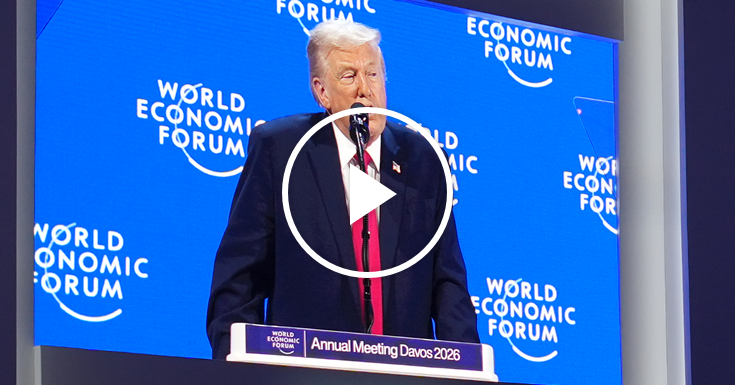
Leaders attending the World Economic Forum in Davos are expressing unease following President Trump’s recent decision to de-escalate tensions regarding Greenland. Initially, Trump had suggested the possibility of tariffs or military actions to assert U.S. claims over the territory, which raised significant concerns among European nations.
By choosing to back away from such aggressive stances, Trump has provided temporary relief, but the underlying tensions remain. European leaders are closely monitoring the situation, recognizing the strategic importance of Greenland, especially in light of potential geopolitical shifts in the Arctic region. The Trump administration’s unpredictable approach to foreign policy has left many unsure of future U.S. actions, prompting discussions on how Europe might need to adapt its own strategies in response to evolving dynamics.
As dialogues continue at Davos, the focus is on how the international community can navigate these developments without escalating conflicts further. The lingering concerns about Trump’s foreign policy decisions highlight the broader implications for transatlantic relations and international stability.
Why this story matters: The situation illustrates the complexities of U.S.-European relations and the impact of presidential decisions on global diplomacy.
Key takeaway: Trump’s decision to de-escalate tensions over Greenland reflects a dynamic but uncertain geopolitical landscape.
Opposing viewpoint: While some view the reversal as a prudent move, others argue it signals indecisiveness which could embolden adversarial actions in the region.