


U.S. automotive leaders are navigating a landscape marked by ongoing challenges as 2026 unfolds. The industry, which contributes approximately 4.8% to the U.S. gross domestic product, has been beset by a series of crises since the onset of the COVID-19 pandemic in 2020. Factory shutdowns, supply chain issues, and semiconductor shortages have compounded existing concerns about tariffs and evolving markets for electric and autonomous vehicles.
Despite initial resilience, concerns have emerged regarding the high cost of new vehicles and diminishing consumer demand. Average transaction prices have surged to about $50,000, reflecting a nearly 30% increase since early 2020, with costs along various facets of vehicle ownership—such as maintenance and insurance—also rising. According to Cox Automotive, it now takes over 36 weeks of median household income to purchase an average new car, up from 33.7 weeks in late 2019.
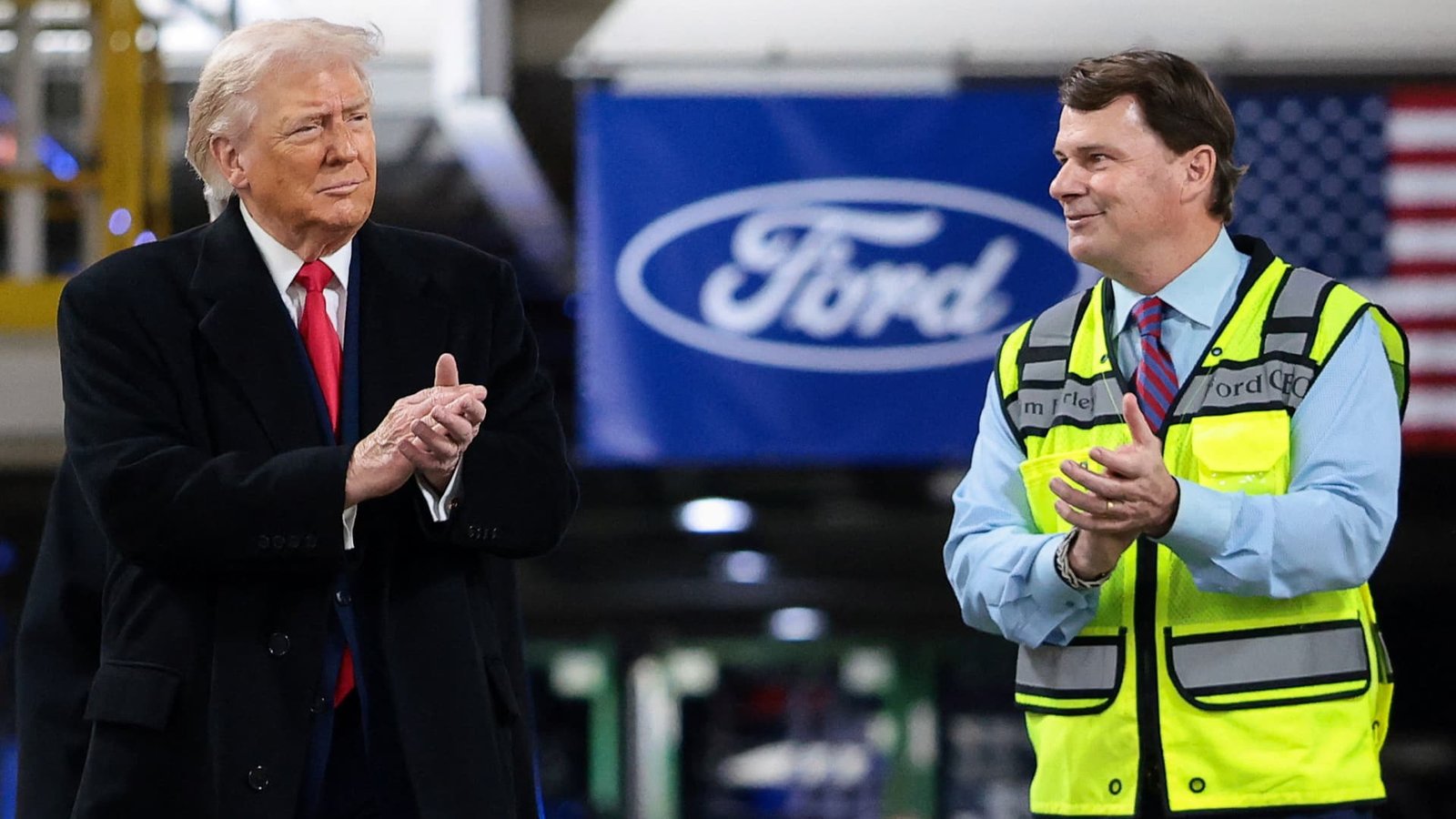
In response to increasing financial constraints for many consumers, auto executives are reevaluating their strategies. While companies previously focused on higher-end, profitable models, there is now a shift toward offering more affordable vehicle options. Ford’s CEO Jim Farley indicated a potential return to the sedan market, a segment many automakers have largely abandoned.
The situation has captured the attention of lawmakers as well. A Senate committee sought to hold a hearing with major automotive company CEOs to address affordability issues but postponed discussions following logistical conflicts.
Looking ahead, the landscape remains uncertain due to upcoming regulations and trade negotiations, as well as the ongoing impacts of the pandemic. Analysts predict mixed results and advise caution, as the industry braces for unpredictable market conditions.
Key Points:
- Why this story matters: The automotive industry is a significant contributor to the U.S. economy and faces critical affordability challenges impacting consumer access.
- Key takeaway: Automakers are shifting focus toward more affordable models in response to rising vehicle costs and declining consumer demand.
- Opposing viewpoint: Some analysts remain skeptical about the industry’s ability to overcome ongoing disruptions without significant strategic shifts.