


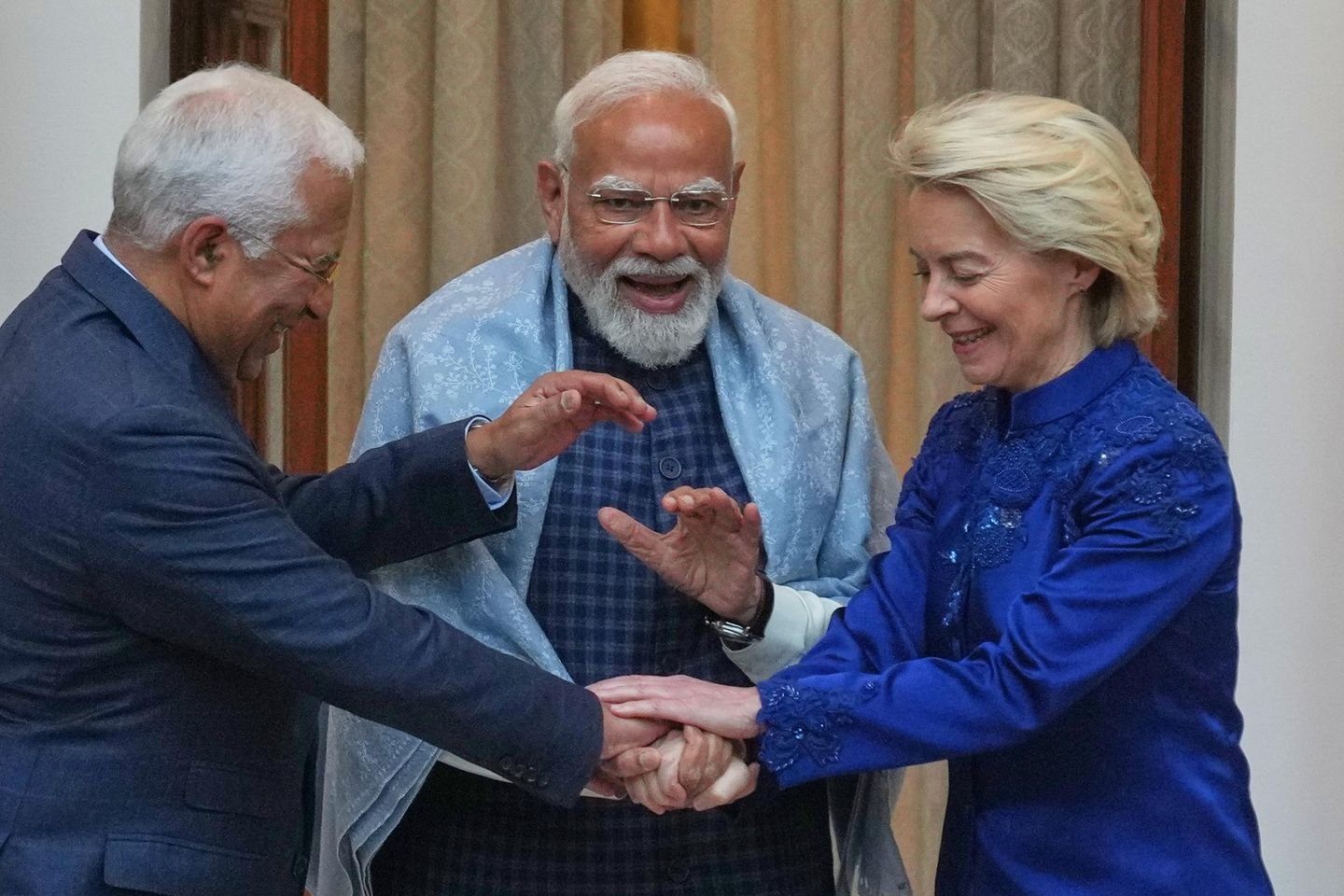
India and the European Union have finalized a significant trade agreement, reflecting a growing trend of economic collaboration among nations amid ongoing tariff disputes with the United States. The agreement is viewed as a strategic move to strengthen bilateral ties and diversify trade relations, particularly in light of fluctuating global economic conditions.
This trade deal is expected to facilitate increased trade in goods and services between India and the EU, creating opportunities for businesses while potentially boosting investment flows. Both parties aim to reduce existing tariffs and address non-tariff barriers, which may enhance market access and competitiveness. The commitment to closer economic integration indicates a shared interest in promoting mutual growth and stability in the region.
As nations navigate challenges posed by economic uncertainties and protectionist policies, this agreement serves as a proactive measure to solidify partnerships and leverage collective advantages in international trade. Similar agreements among other countries demonstrate a broader shift towards regional cooperation as a response to the changing global trade landscape.
The signing of this trade deal underscores the intent of India and the EU to foster resilient economic ties, expanding their influence in an increasingly multipolar world.
Why this story matters
- It highlights the strengthening economic alliances in response to global trade tensions.
Key takeaway
- The trade deal aims to enhance cooperation between India and the EU, promoting mutual economic growth.
Opposing viewpoint
- Critics may argue that such agreements could exacerbate existing trade tensions with other major economies, particularly the U.S.