



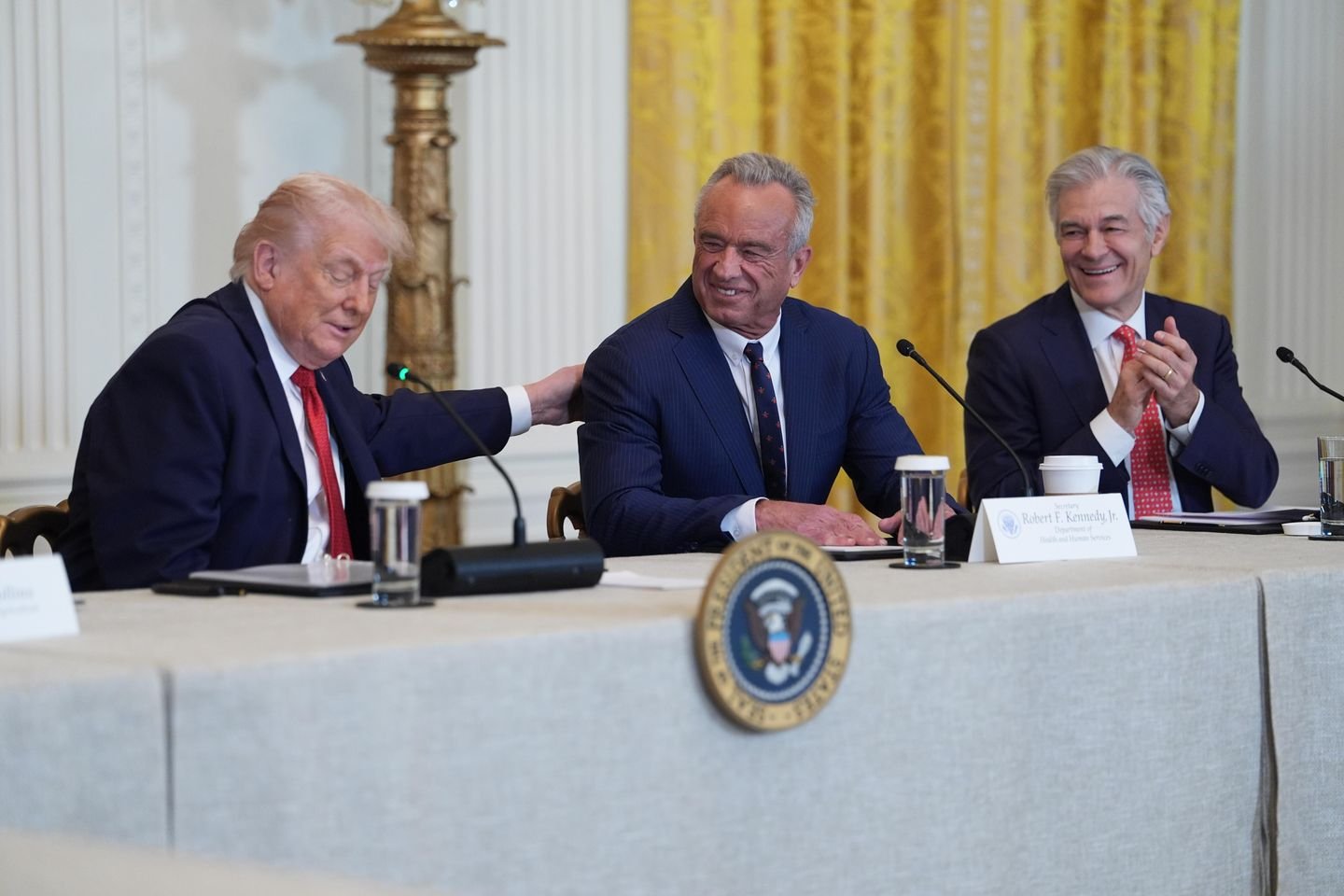
The Trump administration has announced the selection of 15 new medications for a Medicare drug price negotiation program. This initiative permits the federal government to engage directly with pharmaceutical companies to negotiate lower prices for essential drugs. Among the included medications are treatments for Type 2 diabetes, HIV, and arthritis.
This program aims to enhance accessibility and affordability for patients relying on these crucial therapies. By leveraging its purchasing power, Medicare seeks to secure more reasonable prices that could ease the financial burden for individuals facing chronic health conditions.
The decision to implement this negotiation strategy aligns with ongoing discussions about the rising costs of prescription medications in the United States. Advocates argue that such action is necessary to ensure that patients can afford the treatments they need. The program reflects a significant shift in the federal approach to drug pricing and promises to impact both patients and drug manufacturers.
In response to this development, pharmaceutical companies have raised concerns about potential negative effects on innovation and research funding. Opponents argue that price negotiations could deter investment in the development of new medications, ultimately impacting the availability of future treatments.
Why this story matters
This initiative could significantly reduce medication costs for millions of Americans, improving healthcare access.
Key takeaway
The Medicare drug price negotiation program represents a transformative approach to managing prescription drug costs.
Opposing viewpoint
Critics warn that negotiating drug prices may hinder pharmaceutical innovation and the development of new therapies.