

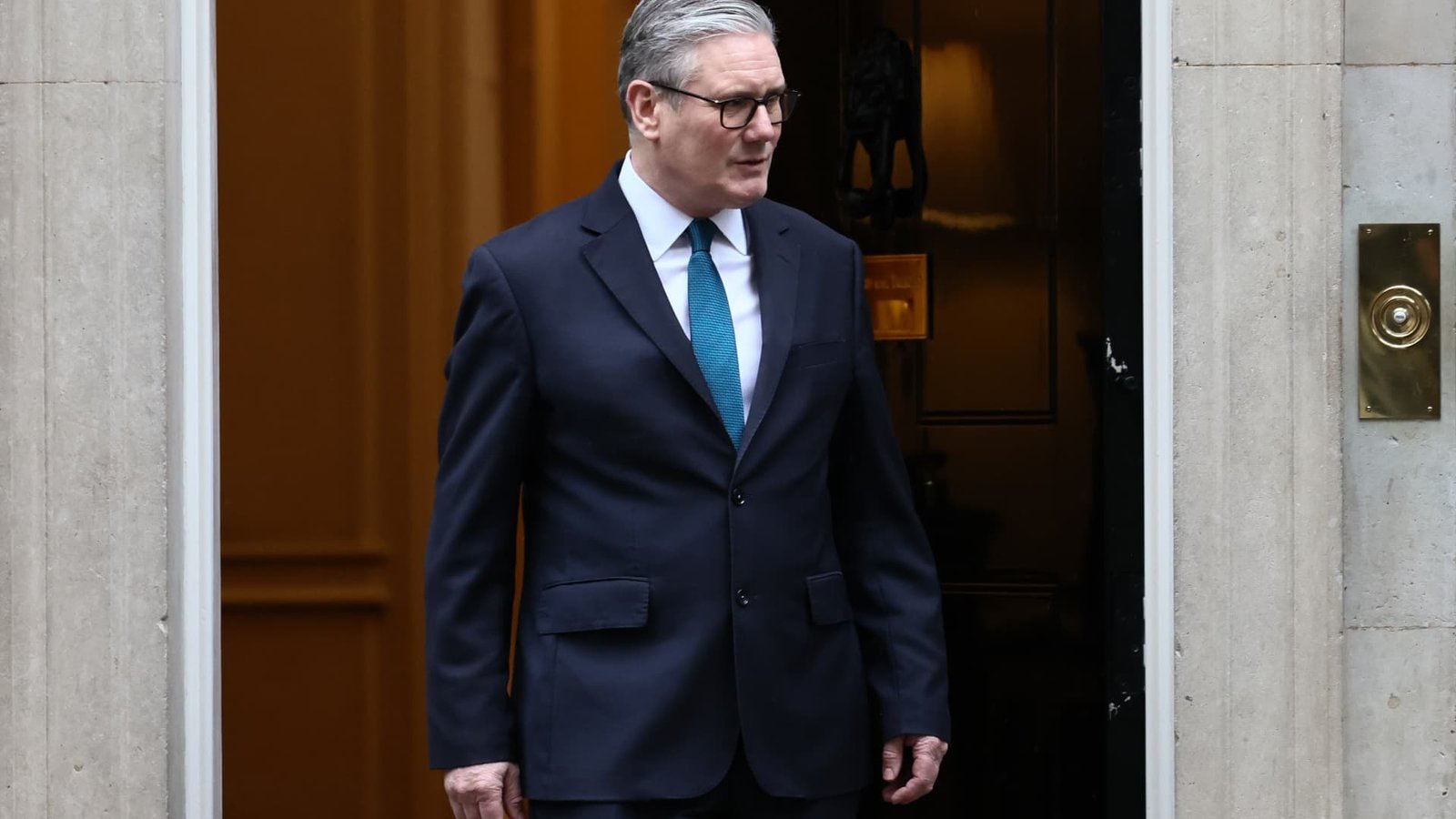
British Prime Minister Keir Starmer will lead a delegation of nearly 60 British businesses and cultural organizations on a state visit to China, marking the first such trip in eight years. The visit, scheduled for this week, includes meetings with Chinese President Xi Jinping and Premier Li Qiang to discuss key topics such as trade, investment, and national security.
Among the prominent figures accompanying Starmer are Brendan Nelson, Chairman of HSBC Group; Jason Windsor, CEO of Aberdeen Group; and John Harrison, General Counsel at Airbus. Additionally, pharmaceutical leaders include AstraZeneca CEO Pascal Soriot and GSK Chair Sir Jonathan Symonds. The visit occurs during a period of heightened diplomatic activity in Beijing, with recent visits from leaders of Canada, Ireland, and Finland.
Starmer’s trip follows a British government announcement to proceed with plans for a new Chinese Embassy in London, a project that had faced delays over political and security issues. This visit aims to strengthen trade ties with China amidst increasing tensions between Beijing and the United States, particularly concerning tariffs and trade deals. British officials emphasize the goal of fostering economic cooperation while maintaining a firm stance on national security concerns.
Starmer intends to advocate for improved access in sectors such as financial services, creative industries, and life sciences, highlighting the potential for mutual growth. Nonetheless, he is also expected to address areas of disagreement with China, underscoring the importance of “frank and open dialogue” in bilateral relations.
- Why this story matters: The visit signifies an effort to enhance U.K.-China relations amidst global trade tensions.
- Key takeaway: Starmer aims to balance economic cooperation with national security considerations during discussions in China.
- Opposing viewpoint: Concerns exist regarding the implications of deepening ties with China, especially in the context of security and human rights issues.