



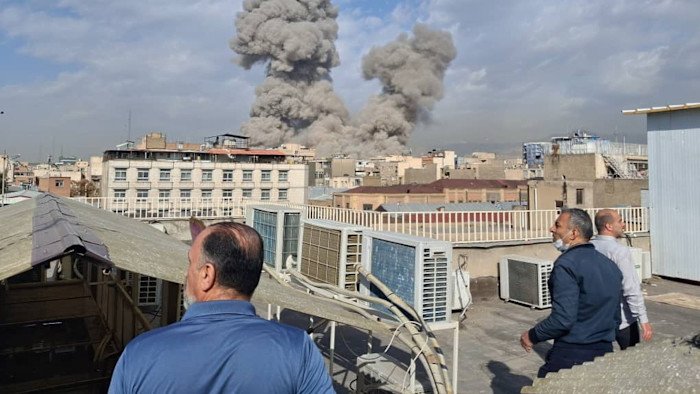
Israel has conducted air strikes against Iran, characterizing the operation as a “pre-emptive” measure aimed at neutralizing perceived threats. Israeli Defense Minister Israel Katz stated that this action was necessary to protect the country from imminent missile and drone attacks targeting its civilian population.
The operation resulted in significant explosions in Tehran, with reported blasts in various districts including central, northern, and eastern parts of the city. Iranian media conveyed images of smoke rising near the presidential office, highlighting the impact of the strikes.
In response to these developments, Israel has declared a state of emergency. The country has closed its airspace, and many businesses and workplaces have been shut down. Restrictions on public gatherings have also been implemented, while sirens have been activated to alert residents to seek shelter from expected Iranian retaliation.
These air strikes come amid heightened tensions in the region, fueled by ongoing negotiations surrounding Iran’s nuclear program. The situation has been exacerbated by statements from U.S. President Donald Trump, who has advocated for increased pressure on Iran, including the largest military presence in the region since the Iraq War in 2003. Trump has indicated a willingness to consider military action should Iran fail to comply with demands regarding its nuclear activities.
Why this story matters:
- Escalation in regional tensions may impact international diplomatic relations and security.
Key takeaway:
- Israel’s pre-emptive strikes are part of a broader strategy to address perceived threats from Iran amid ongoing nuclear negotiations.
Opposing viewpoint:
- Some analysts argue that military actions may aggravate the situation rather than lead to diplomatic resolutions.