


Zoey Gong, a Chinese medicine food therapist, faced unexpected travel disruptions when the U.S. and Israel launched an attack on Iran, causing her Emirates flight from Paris to Shanghai to be canceled. Gong now faces a new flight cost of $1,600, more than double her original fare. She is among millions of travelers affected by geopolitical conflicts that are straining the $11.7 trillion global tourism industry, according to the World Travel & Tourism Council.
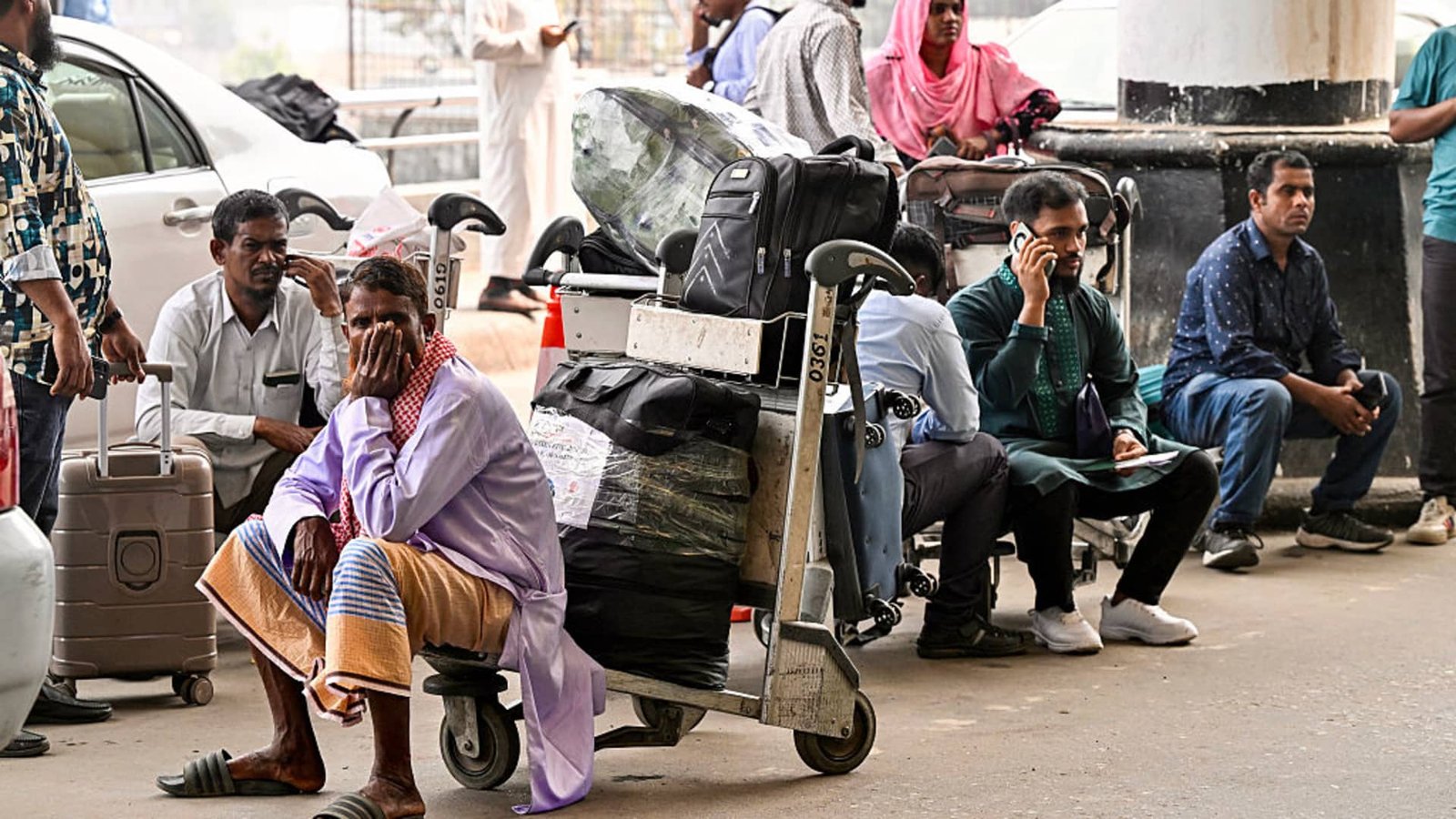
The conflict has caused massive cancellations and grounded over 20,000 flights globally, stranding more than a million travelers due to airspace closures. There has been a surge in inquiries for “cancel for any reason” travel insurance, reflecting widespread concern. The U.S. State Department has urged citizens in the region to evacuate, offering charter flights to facilitate their return from affected countries including Saudi Arabia and Qatar.
Travel industry experts have labeled the situation as a significant crisis. The ongoing conflict has resulted in airlines and travel companies grappling with operational challenges, leading to flight cancellations and rerouted journeys. MSC Cruises has been unable to repatriate its stranded guests, with some cruise lines suspending their operations from affected regions.
Rising fuel costs, exacerbated by the conflict, are anticipated to impact ticket prices, contributing to ongoing challenges for the travel sector. Despite a hopeful outlook for 2026, industry leaders are now bracing for potential financial setbacks. Additionally, regional tourism in Mexico has also been affected by violence, leading to reduced travel demand and subsequent service cuts by airlines.
Why this story matters: The current geopolitical tensions significantly disrupt international travel, affecting millions of travelers and the broader tourism industry.
Key takeaway: Ongoing conflicts lead to increased costs and logistical challenges for airlines and travelers, with repercussions felt across multiple sectors.
Opposing viewpoint: Some industry leaders argue that resilient demand for travel may rebound as headlines shift away from these crises.