
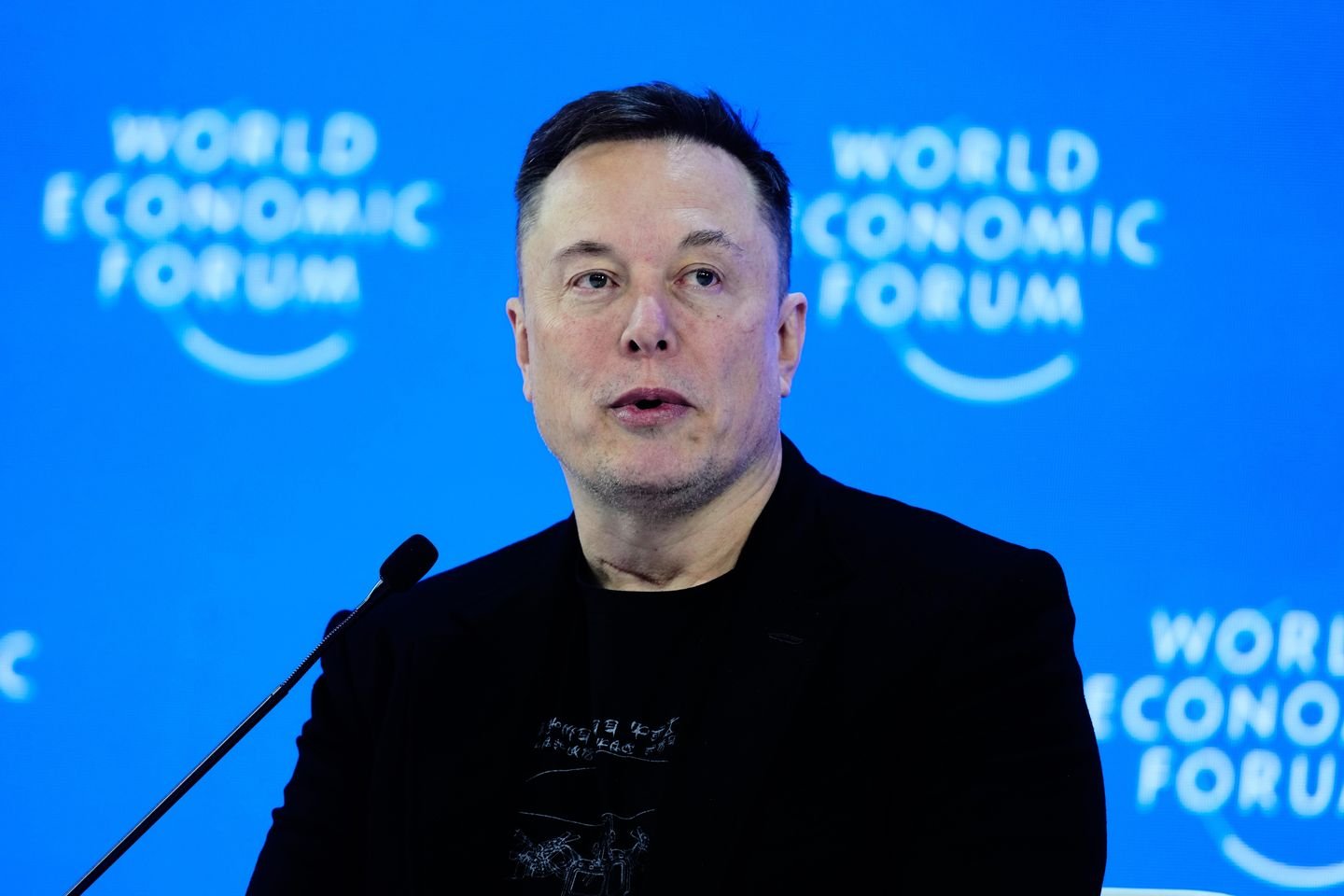
A jury has determined that Elon Musk is liable for misleading investors by intentionally influencing a decline in Twitter’s stock price prior to his acquisition of the company in 2022 for $44 billion. The verdict specifically focuses on actions Musk took during a period of significant volatility surrounding the deal. However, the jury did not find evidence supporting claims that he engaged in a broader fraudulent scheme to deceive investors.
The ruling highlights the complex legal landscape surrounding corporate acquisitions, particularly in cases where high-profile figures are involved. While Musk faced multiple allegations regarding his conduct, the jury’s decision reflects a nuanced view, exonerating him from certain fraud accusations.
Musk’s statements and actions during this critical time have been closely scrutinized, and the findings may have implications for future communications by executives during merger discussions. Stakeholders are now contemplating the verdict’s potential impact on investor confidence and regulatory scrutiny in similar situations.
Why this story matters
- The case emphasizes the legal responsibilities of executives during financial transactions.
Key takeaway
- Musk was found liable for misleading investors but cleared of broader fraud accusations.
Opposing viewpoint
- Some argue that the jury’s decision does not adequately address the potential for market manipulation by influential figures.