



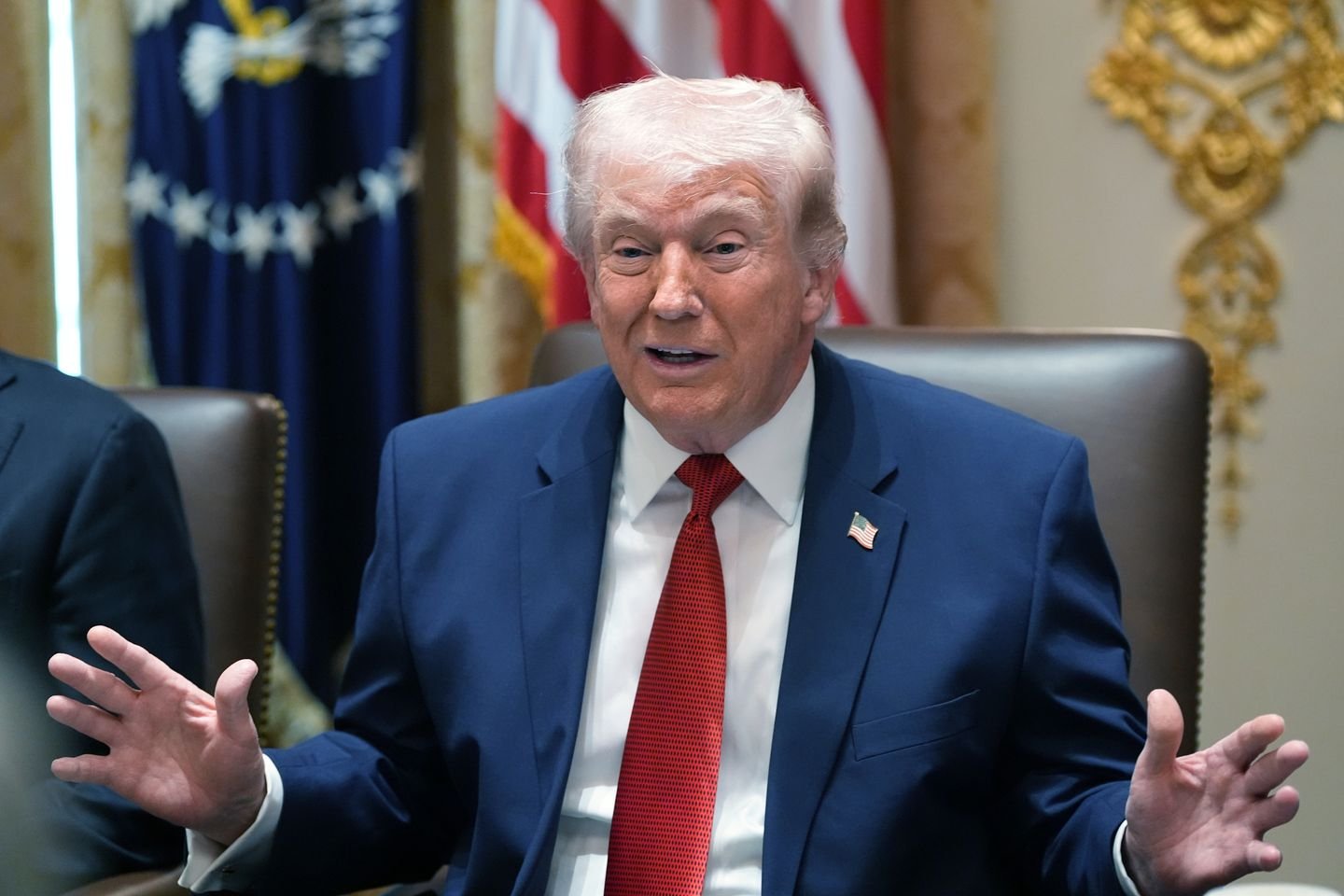
President Trump expressed dissatisfaction with the United Kingdom and France during a recent press conference, stating that the United States would cease its assistance to these countries due to their reluctance to participate in military operations against Iran. Trump’s comments highlight a growing frustration with international partners who have not aligned with U.S. foreign policy regarding Iran, suggesting a shift in America’s diplomatic approach.
The president emphasized that the U.S. has been a reliable ally but expects reciprocal support in military engagements. His statements reflect a broader strategy to pressure allied nations into cooperative defense efforts, especially amid rising tensions with Iran. Trump’s decision could have significant implications for NATO relationships and collective security initiatives in the region.
In response to Trump’s remarks, both the United Kingdom and France have reiterated their commitment to diplomatic solutions over military intervention, reflecting a divergence in approach to global geopolitical challenges. This situation raises concerns about the potential for increased isolationism in U.S. foreign policy and the impact it may have on transatlantic relations.
Why this story matters:
- It underscores tensions in U.S. alliances and diplomatic strategies concerning military actions.
Key takeaway:
- Trump’s statement marks a potential shift in U.S. support for traditional allies based on military cooperation.
Opposing viewpoint:
- The U.K. and France advocate for diplomatic measures over armed conflict, emphasizing the importance of multilateralism over unilateral military action.