

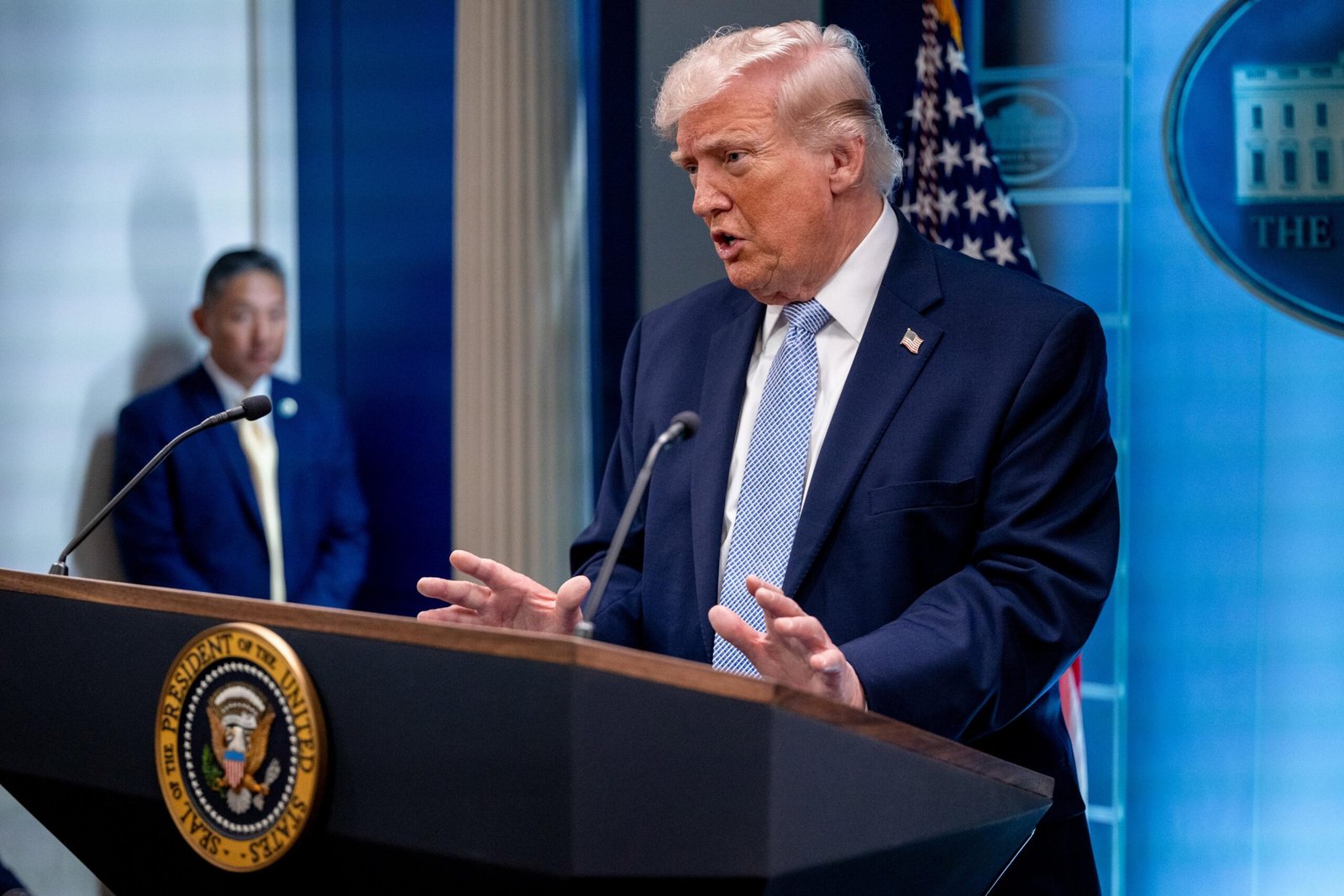
U.S. President Donald Trump has indicated a willingness to extend the current ceasefire with Iran, set to expire on April 22, as diplomatic talks progress. Trump suggested that if negotiations yield positive results, the deadline for a deal could be pushed back, potentially allowing him to attend a signing ceremony in Islamabad, where he commended the efforts of Pakistan’s Prime Minister Shehbaz Sharif and Army Chief Asim Munir in mediating the discussions.
As the U.S. enhances its military and economic pressure on Iran, developments include an expansion of naval operations designed to intercept ships suspected of transporting goods to Iran. The U.S. Central Command reported the deployment of over 10,000 personnel, numerous ships, and aircraft to enforce this naval blockade. U.S. Defense Secretary Pete Hegseth emphasized the military’s readiness to engage if Iran does not comply with a deal.
Meanwhile, Iran appears open to allowing safe passage for ships through the Strait of Hormuz if an agreement is achieved. The country has recently halted petrochemical exports to stabilize domestic supplies after disruptions attributed to Israeli military actions. Senior Iranian officials have asserted that Iran will not vacate the Strait of Hormuz until its rights are fully guaranteed.
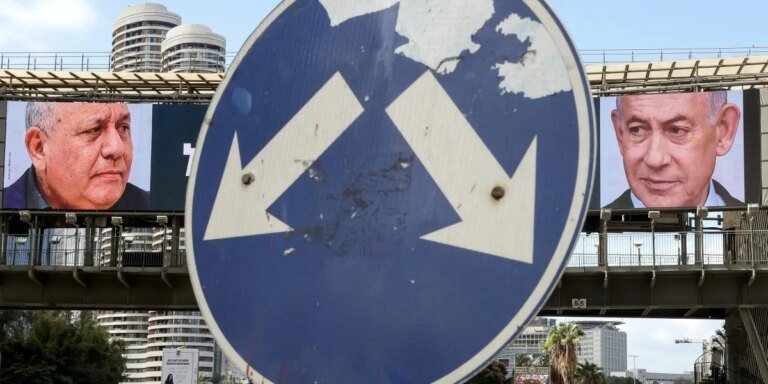
In related regional developments, Israel and Lebanon initiated a 10-day ceasefire amid ongoing conflicts, although Israeli Prime Minister Benjamin Netanyahu stated that military operations would continue unchanged.
Key concerns also arise regarding the impact of the conflict on global energy prices, as Brent crude declined by 1.35% to $98.05 per barrel.
Why this story matters:
- The potential extension of the Iran ceasefire could shape regional stability and international diplomatic relations.
Key takeaway:
- Diplomatic talks between the U.S. and Iran are ongoing, with significant implications for military and economic strategies in the region.
Opposing viewpoint:
- Not all stakeholders support the U.S. approach, as some regional players warn against escalating military actions and advocate for diplomatic solutions.