
In the face of escalating pressures from inflation and increased competition, grocery chains are increasingly turning to artificial intelligence (AI) to protect profit margins while retaining customers. Traditional methods, such as raising prices or running broad promotions, have become less effective as consumers seek value across multiple retailers. This shift has bolstered market share for discount stores like Dollar General and warehouse clubs such as Costco, prompting traditional grocers to rethink their competitive strategies.
A notable trend is the use of AI for dynamic pricing on perishable items, particularly those nearing their “best-by” dates. Annually, around 30% of food in American grocery stores is wasted, translating to approximately $18.2 billion in lost value. High inflation and rising gas prices have made food affordability a critical concern, pushing companies to mitigate losses, often termed “shrink.” Kroger’s Chairman, Ronald Sargent, emphasized the potential of AI to enhance both customer experience and business productivity, noting improvements in competitive pricing.
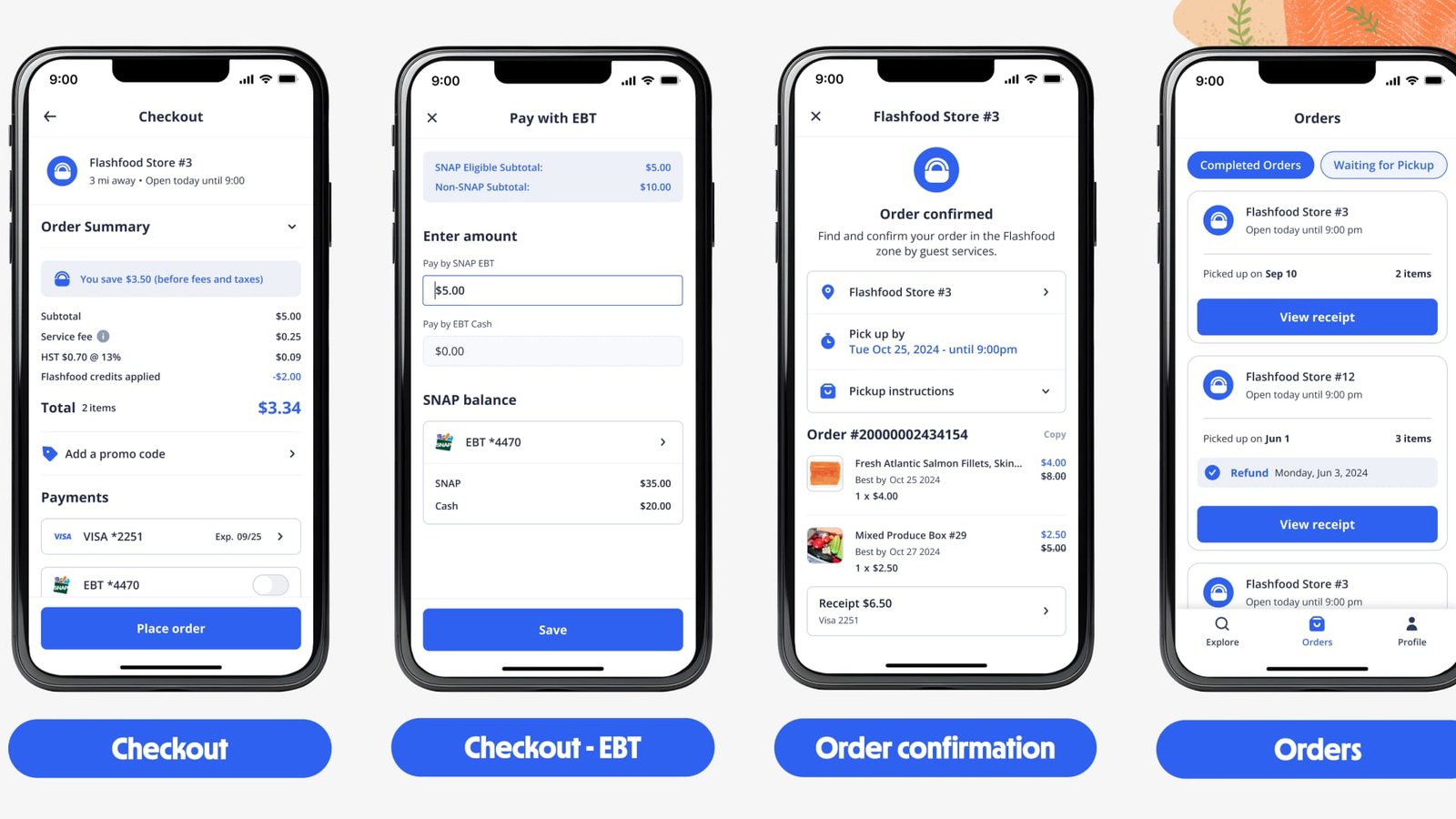
With 89% of consumers now actively hunting for discounts, according to a Deloitte study, many shoppers are visiting 23% more retailers for their groceries. AI platforms like Flashfood enable grocery stores to set targeted discounts, allowing for better management of inventory and a reduction in food waste. Flashfood connects consumers with local grocery stores to purchase food nearing expiration at discounted rates. This service has been shown to decrease shrink by an average of 27% for participating retailers, while also driving additional store traffic.
As grocery stores continue to adapt, the use of data analytics is providing valuable insights into consumer purchasing behavior, particularly for fresh products. This information is crucial for maximizing sales and minimizing waste.
Why this story matters
- The shift to AI reflects broader trends in consumer behavior and retail strategies.
Key takeaway
- AI and dynamic pricing can enhance profitability while reducing food waste.
Opposing viewpoint
- Critics may argue that reliance on technology could lead to customer disengagement or diminished brand loyalty.