


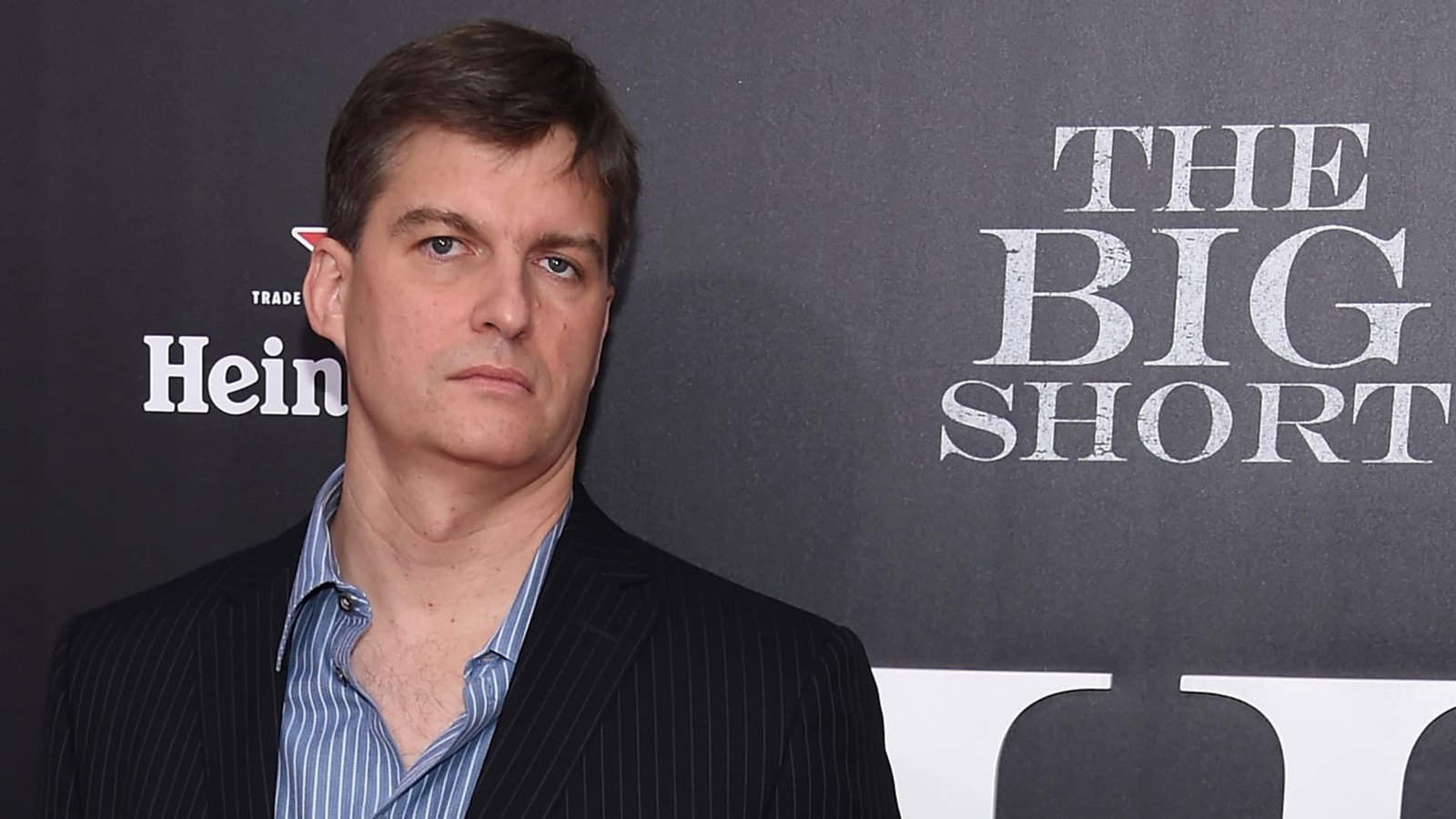
Famed investor Michael Burry, known for his role in forecasting the 2008 financial crisis, has re-entered the software stock market, viewing the recent downturn as rooted more in technical factors than in the underlying health of the businesses. In a recent post on Substack, Burry described a “reflexive positive feedback loop” where declining equity prices and stress from bank loans related to software companies have accelerated market losses. He claims that the pressures from private credit issues are unlikely to have a long-lasting impact on these stocks.
Burry’s renewed investment comes amid rising concerns that advancements in artificial intelligence could significantly disrupt the software industry, thereby challenging established business models and growth expectations. The iShares Expanded Tech-Software Sector ETF has seen a decline of approximately 28% since September, evidencing a dramatic shift in market sentiment toward what was previously considered a favored sector.
Burry has established a position of about 3.5% in PayPal and continues to hold shares in Fiserv, Adobe, Autodesk, and Veeva Systems. He indicated plans to increase his investments in Salesforce and MSCI. Notably, he emphasizes that the companies he is investing in do not rely on private credit markets, which have faced reduced inflows from retail investors in recent months.
While acknowledging that some companies could be adversely affected by large language models in terms of their business models, Burry concludes that the companies he is focusing on are resilient and worthy of investment based on thorough analysis.
Why this story matters
Key takeaway
Opposing viewpoint