



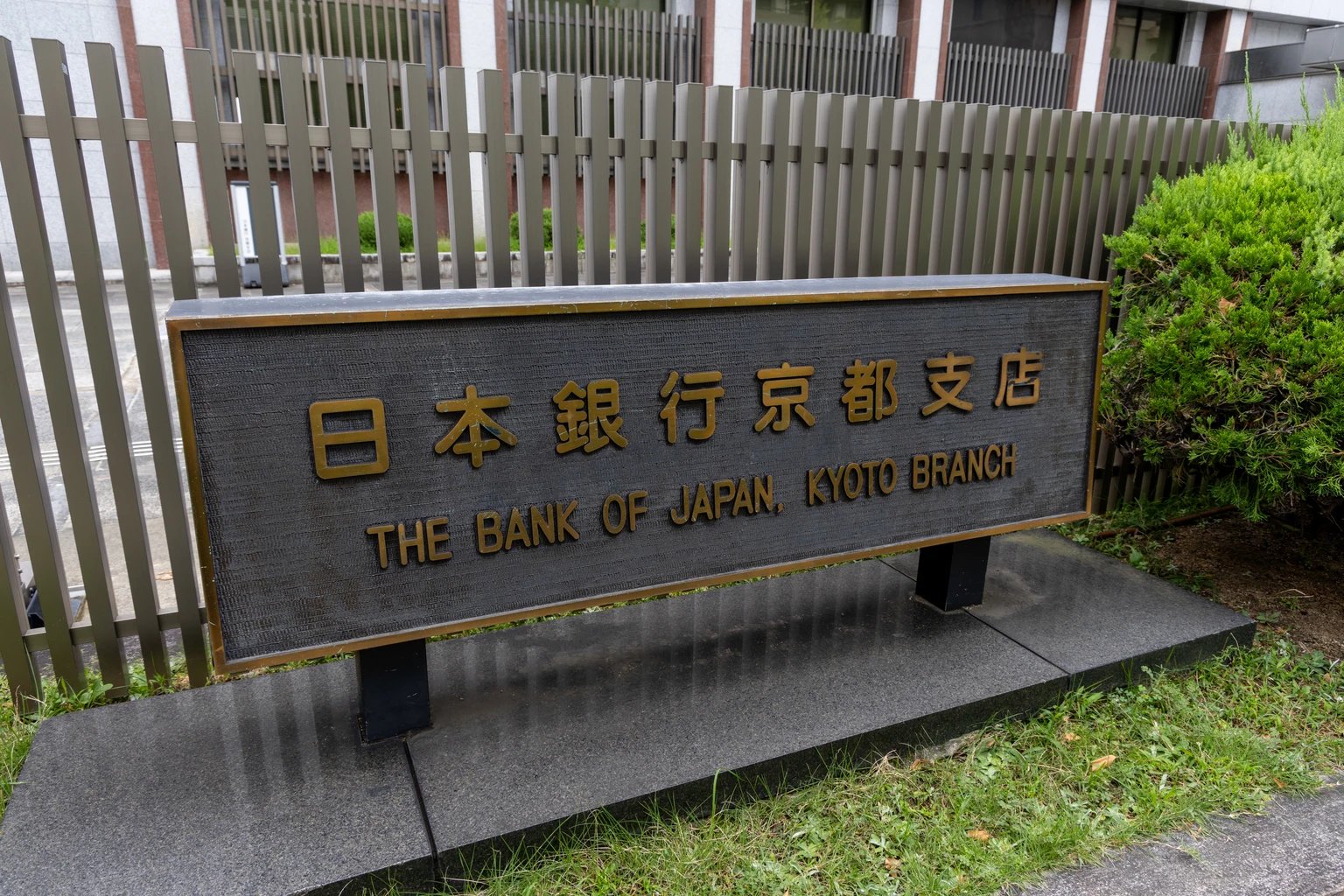
Inflation in Japan accelerated in March, presenting challenges for the Bank of Japan as it navigates monetary policy. The core consumer price index, which excludes fresh food prices, rose by an annual rate of 3.1%. This marks a significant increase compared to the previous month and exceeds the central bank’s target of 2%.
The surge in prices is attributed to climbing costs of fuel, food, and other essential goods, reflecting broader global inflationary trends. As the economy rebounded from the pandemic, demand has intensified, further exacerbating price pressures. The Bank of Japan has maintained an ultra-loose monetary policy approach in an effort to support economic growth, but rising inflation figures are prompting discussions about whether adjustments to interest rates and other measures are necessary.
Economists are divided on the implications of these developments. Some argue that sustained inflation could lead to shifts in consumer behavior and spending patterns, risking economic momentum. Others contend that the Bank of Japan may have little choice but to rethink its current strategies, especially as global economic conditions evolve.
Market analysts will be closely monitoring upcoming economic data, as any indication of persistent inflation could lead to increased scrutiny of the Bank’s policies. The situation requires a balanced approach to foster economic recovery while managing inflationary risks.
Why this story matters: The rising inflation rate could influence monetary policy decisions crucial to Japan’s economic stability.
Key takeaway: March’s inflation increase raises questions about the sustainability of the Bank of Japan’s current economic strategy.
Opposing viewpoint: Some experts believe that persistent inflation might not necessitate a shift in policy, as the economy could still benefit from continued low-interest rates.