


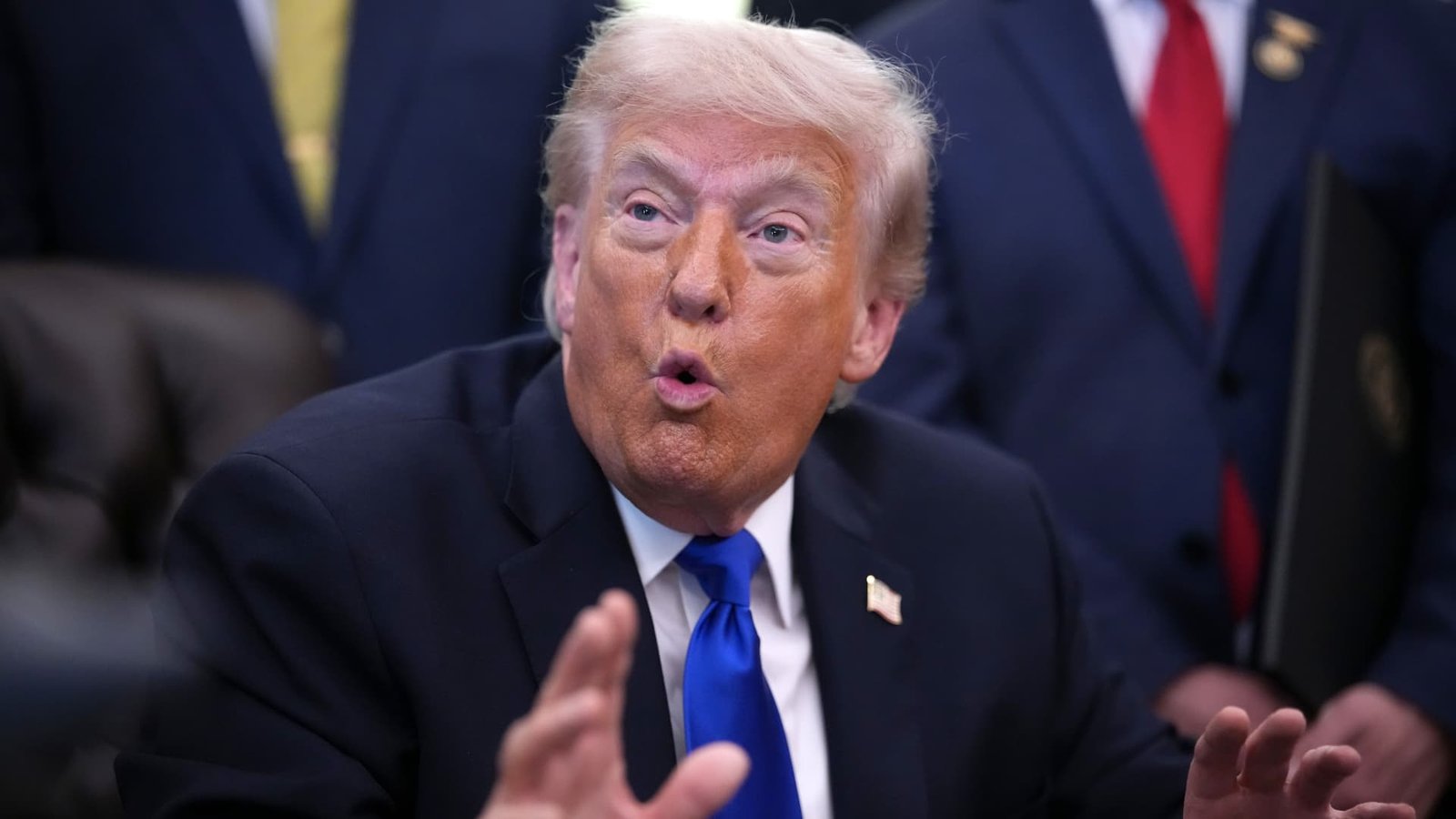
President Donald Trump announced plans to increase tariffs on vehicles imported from the European Union to 25%, citing the EU’s failure to adhere to agreed trade commitments. In a post on Truth Social, Trump stated that the new tariff would take effect next week and specified that vehicles manufactured in the U.S. would not be subject to these tariffs.
This move follows a Supreme Court ruling, which found that a significant portion of Trump’s tariff agenda was illegal, as it lacked proper authority under the International Emergency Economic Powers Act (IEEPA). Subsequently, Trump signed an executive order establishing a new 10% global tariff, which he later proposed to raise to 15%.
In February, the EU warned that these new tariffs could endanger their trade agreement with the U.S. A spokesperson for the European Commission asserted that they were adhering to legislative protocols while engaging with U.S. officials, emphasizing their commitment to a mutually beneficial relationship. The official noted that the EU would consider options to safeguard its interests should the U.S. impose inconsistent measures.
The White House defended Trump’s decision by stating that the EU has not made significant progress on commitments under the trade agreement. The administration invoked Section 232 to justify existing tariffs on vehicles and auto parts imported from various countries, including the EU. Notably, automakers such as Mercedes, BMW, and Volkswagen could face substantial effects from the tariff increases, as they rely heavily on imports for their U.S. sales.
Why this story matters:
- Heightened tariffs could destabilize transatlantic trade relations and impact consumer prices.
Key takeaway:
- The proposed tariff increase reflects ongoing tensions regarding trade compliance and commitments.
Opposing viewpoint:
- Critics argue that unilateral tariff actions might aggravate trade disputes and harm domestic consumers and businesses.