


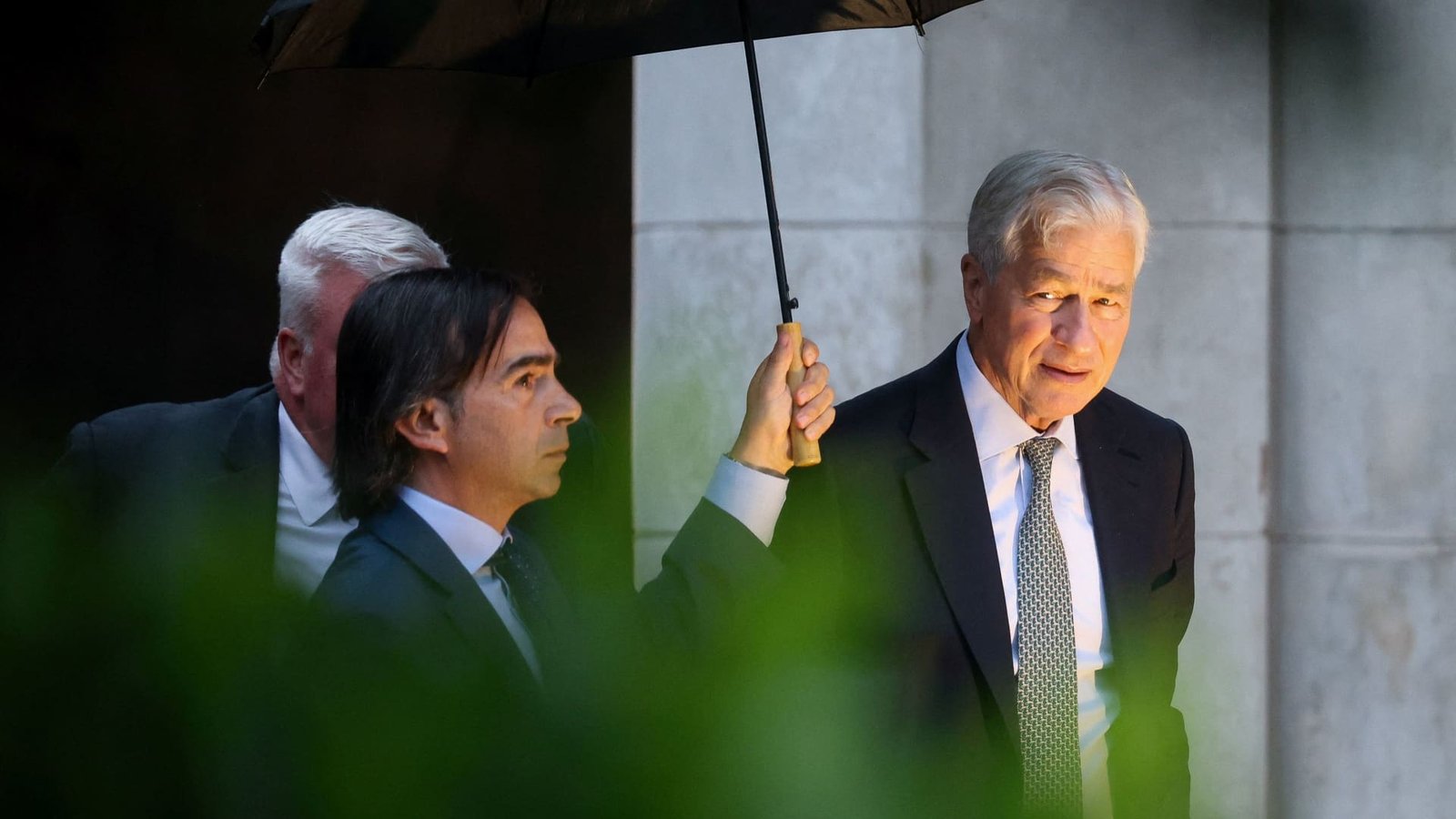
Concerns about the credit markets have intensified in 2026, spurred by warnings from prominent financial leaders, including JPMorgan CEO Jamie Dimon. He has cautioned that a credit recession could have severe consequences given the long duration since the last one. Investors are particularly focused on the potential confirmation of Kevin Warsh as the new Federal Reserve Chair, which could lead to increased volatility in fixed-income portfolios.
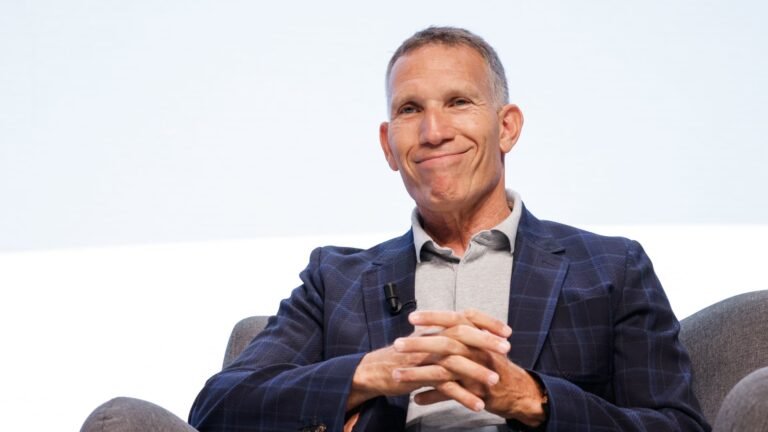
Experts, such as Paisley Nardini from Simplify Asset Management, note that transitions in Fed leadership often prompt rapid adjustments in treasury yields and credit spreads as the market recalibrates its expectations around monetary policy. This shift could likely affect treasury markets sooner than equities. Nardini emphasized the importance of monitoring market responses during leadership changes and the need for investors to be vigilant about their bond portfolios, particularly in light of recent economic pressures, including rising oil prices.
Amid this backdrop, the Federal Reserve has maintained interest rates in the range of 3.50% to 3.75%. There is growing division within the Federal Open Market Committee regarding the need for further rate cuts, with some members advocating for no hints of a bias toward rate reductions. Inflation remains above target, complicating the central bank’s decision-making.
Amidst these uncertainties, investors face significant risks related to bond duration and credit strength. Many have underweighted bonds amid poor performance in recent years, and the ongoing geopolitical conflicts could further exacerbate volatility. Nardini cautions that complacency in the market may pose hidden dangers, warning that periods of calm can often precede market turbulence.
Why this story matters:
- Impacts investment strategies and the bond market outlook significantly.
Key takeaway:
- Leadership changes at the Fed can lead to increased market volatility and require investors to reassess risk in their portfolios.
Opposing viewpoint:
- Some analysts believe the current economic environment may not precipitate a pronounced crisis due to expected Fed measures to manage inflation and economic stability.