

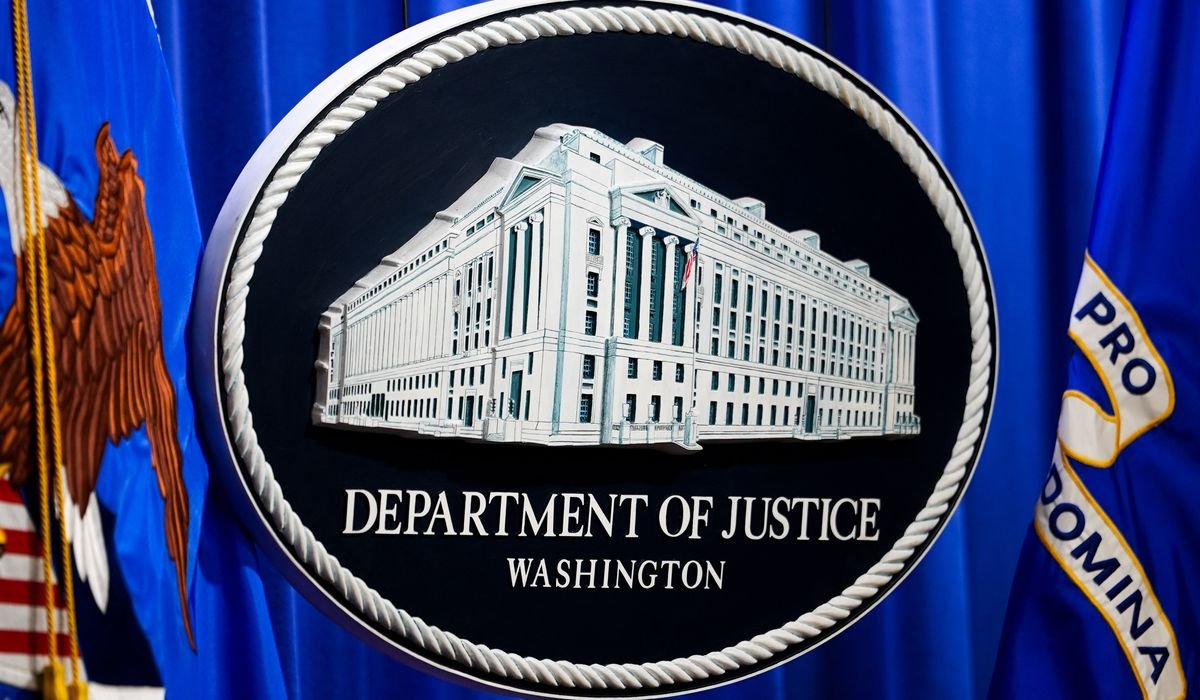
The Trump administration has proposed a settlement in an antitrust case involving Agri Stats, a data-sharing company in the meatpacking industry. The Justice Department, which initiated the case under the Biden administration, accused Agri Stats of practices that contributed to rising grocery prices by allowing meat processors to inflate costs for restaurants and retailers lacking access to their proprietary data.
Acting Attorney General Todd Blanche emphasized the critical need for an affordable food supply, stating that the department is committed to ensuring competitive prices in the meat industry. The proposed settlement mandates that Agri Stats share most of the data it collects with U.S. buyers, aiming to increase market transparency and potentially lower food prices.
Eric Scholer, president of Agri Stats, expressed relief at resolving the case, noting the company’s role in improving efficiency in the chicken industry. He emphasized their commitment to helping subscribers optimize their operations, which could lead to reduced chicken prices for consumers.
In addition to this case, the Justice Department is conducting a separate investigation into potential antitrust violations in the beef processing sector. This inquiry follows a request from former President Trump to examine whether foreign-owned meatpackers were exacerbating rising beef prices, which have reached near-record highs since 2020.
Several factors contribute to these heightened prices, including ongoing drought conditions that have impacted grazing lands, leading to increased feed costs, and a shrinking U.S. cattle herd, now at its smallest since 1951. Additionally, closures at the U.S.-Mexico border to curb the spread of a parasite have disrupted cattle imports, further affecting supply.
Why this story matters
- Addressing rising food prices is a significant concern for consumers and economic stability.
Key takeaway
- Increased transparency in the meat industry could potentially lead to lower prices for consumers.
Opposing viewpoint
- Some argue that external factors, such as drought and trade restrictions, play a more significant role than data-sharing practices in driving up prices.