


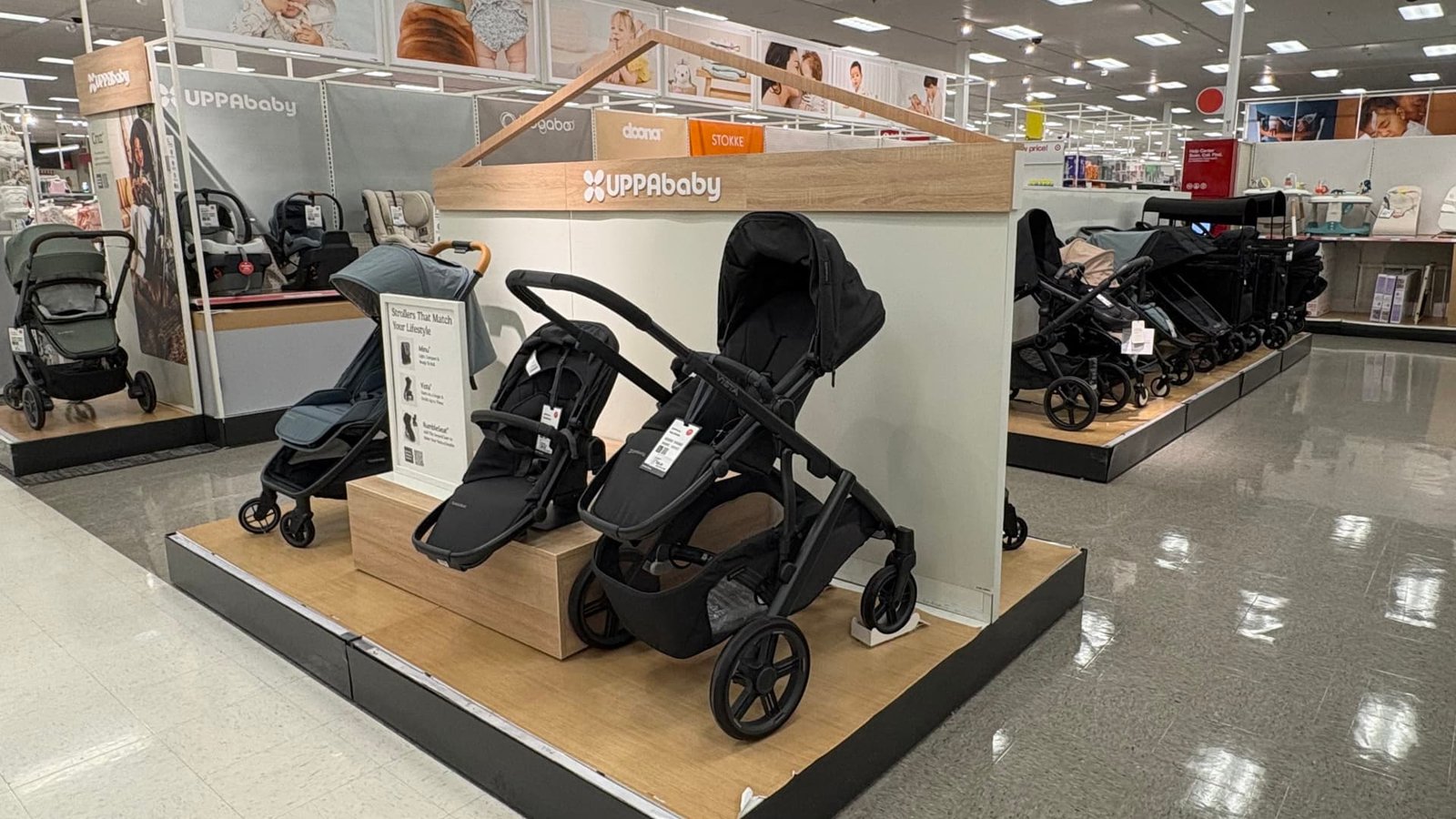
CLIFTON, New Jersey – Target is enhancing its in-store offerings by introducing "baby boutiques" in about 200 locations, representing roughly 10% of its retail footprint. These sections allow customers to interact with high-end baby products, including premium strollers priced at $1,000. Shoppers can now browse nearly 2,000 new items, available both in stores and online.
This initiative is part of a larger strategy aimed at attracting busy families, a key demographic that has increasingly turned to competitors like Walmart. CEO Michael Fiddelke, who took office in February, faces pressure to revitalize sales following a protracted slump. In an interview, Chief Merchandising Officer Cara Sylvester highlighted the significance of family spending patterns, noting that households with young children tend to make more frequent purchases across various categories.
Historically, Target has held a strong position in the baby market, though recent data indicates a loss in market share to rivals such as Walmart and Amazon. The ongoing effort to enhance the baby department is Target’s largest investment in this category in over a decade. Despite a decline in U.S. birth rates, there is a growing opportunity to solidify customer loyalty among new parents.
Additionally, Target plans to bolster store experiences and convenient options like same-day pickup and delivery, which are crucial for boosting sales. The company anticipates a return to annual sales growth, with a projected 2% increase year-over-year.
However, challenges remain, including heightened competition and external economic factors that could affect consumer spending. Analysts emphasize the critical role of the baby category in Target’s overall strategy, calling it a potential pathway for greater customer engagement.
Key Points:
- Why this story matters: Target’s focus on baby products may determine its ability to regain market share and revitalize overall sales.
- Key takeaway: The introduction of "baby boutiques" is part of Target’s strategy to attract families and improve customer loyalty.
- Opposing viewpoint: Some analysts express concern that Target may struggle to compete effectively against rivals and address changing consumer spending patterns.