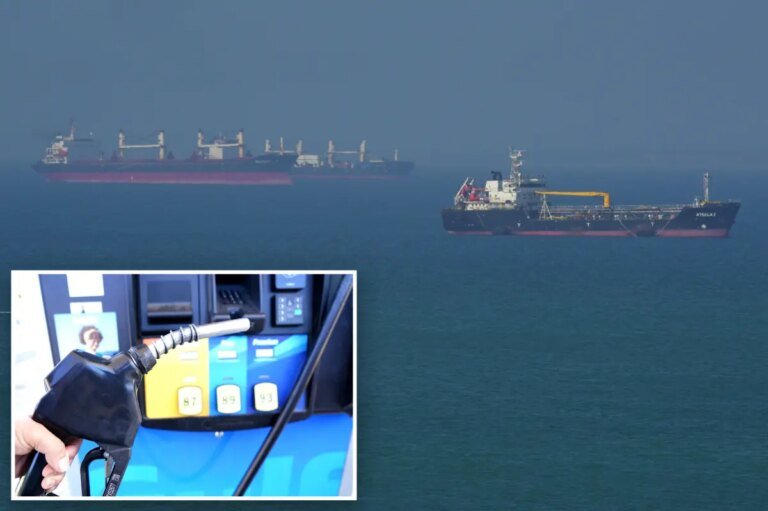
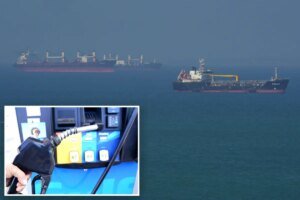


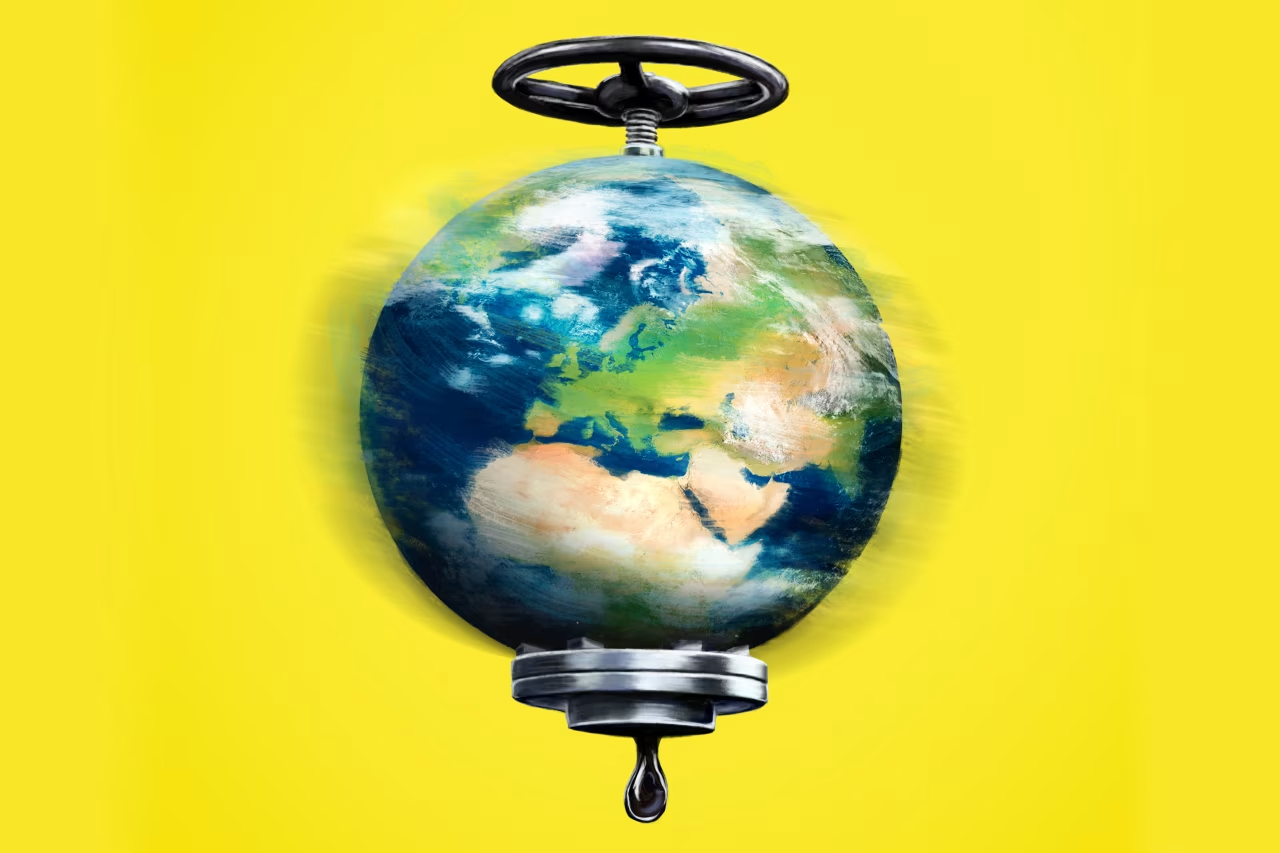
Energy expert Jason Bordoff highlights the disparate impacts of the ongoing conflict in Iran and outlines the longer-term implications for various nations, including the United States and Russia.
Bordoff emphasizes that the war’s ramifications extend beyond immediate geopolitical tensions, affecting global energy markets and economic stability. Nations reliant on oil exports may experience economic fluctuations as unrest disrupts production and supply chains. Countries like the U.S., aiming for energy independence, might see shifting dynamics in their oil production strategies, while Russia could leverage its resources to bolster its geopolitical influence amid Western sanctions against Iran.
The conflict has also prompted discussions around sustainability and renewable energy initiatives as nations grapple with the volatility of fossil fuel markets. Bordoff suggests that this unrest could accelerate the transition towards greener energy sources, highlighting a potential silver lining amidst the turmoil.
As nations navigate their foreign and energy policies, the consequences of the war in Iran will resonate across borders, influencing global energy strategies and international relations for years to come.
Why this story matters
- The war in Iran is reshaping global energy dynamics, impacting economies worldwide.
Key takeaway
- The conflict could accelerate the shift towards renewable energy as nations seek stability.
Opposing viewpoint
- Critics argue that the focus on transitioning to green energy may overlook urgent immediate economic recovery efforts needed in countries affected by the conflict.