


Berkshire Hathaway has made notable moves in the stock market, particularly with its acquisition of a substantial stake in Delta Air Lines, valued at over $2.6 billion. This marks a shift for the conglomerate, which completely exited the airline sector during the COVID-19 pandemic, when Warren Buffett expressed concerns about lasting changes in consumer behavior and travel patterns. Delta now ranks as Berkshire’s 14th-largest holding.
In addition to the Delta investment, Berkshire has adjusted its portfolio by reducing its stake in Chevron and increasing its investment in Alphabet, the parent company of Google, which has become its seventh-largest holding. The company also initiated a minor position in Macy’s, amounting to approximately $55 million.
These strategic changes come amid efforts to unwind positions associated with Todd Combs, a former portfolio manager who left Berkshire for JPMorgan in late 2025. Noteworthy sales included significant reductions in stakes in Mastercard, Visa, and a complete exit from Amazon, all considered to be investments driven by Combs. Berkshire’s divestments extended to several other companies, such as UnitedHealth Group and Domino’s Pizza.
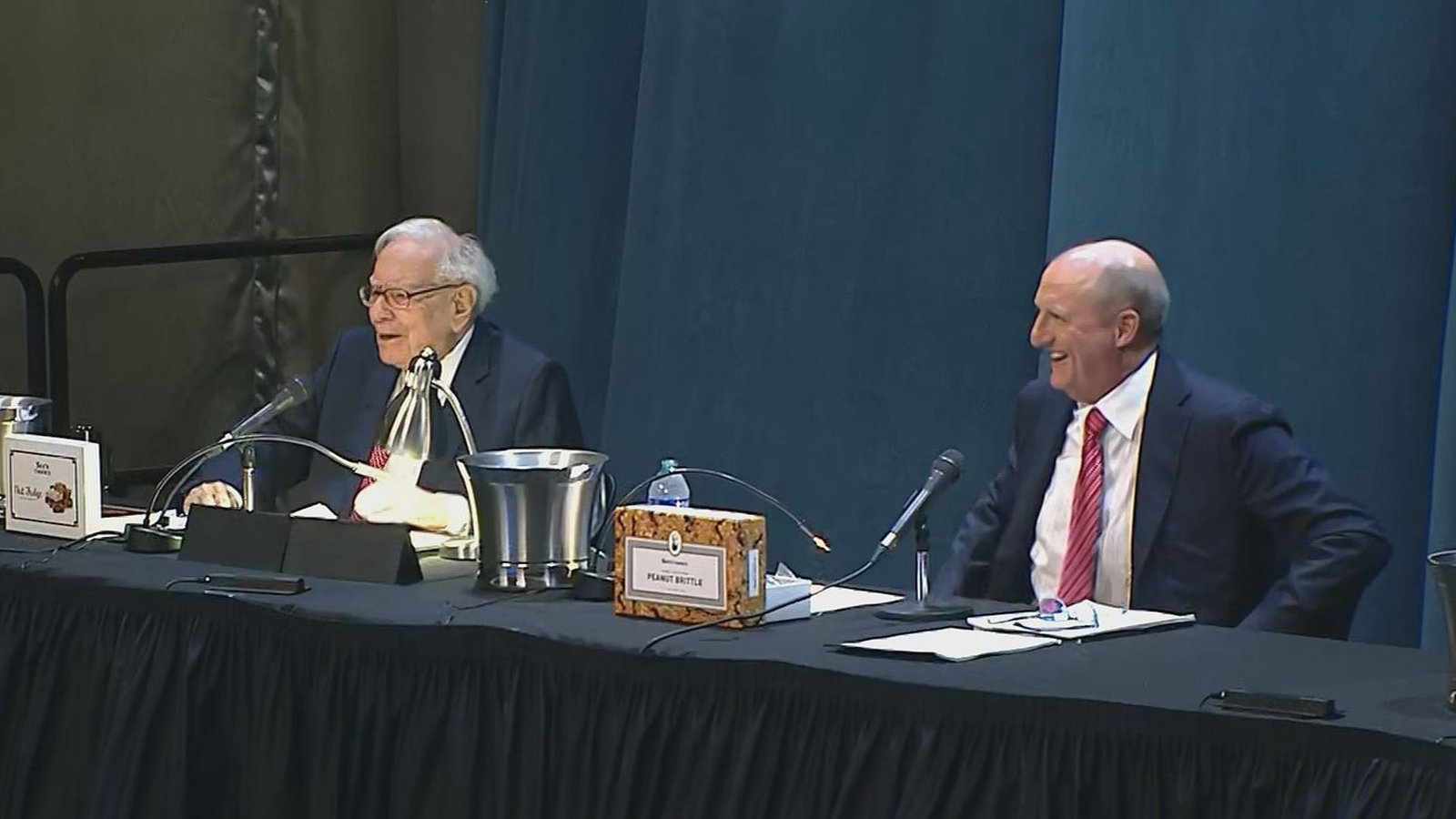
Warren Buffett, who has stepped down as CEO but remains active as chairman, has expressed concerns about the current investment landscape, noting the company’s cash reserves approaching $400 billion. New CEO Greg Abel continues to seek Buffett’s advice on investment and capital strategies, including a recent return to stock buybacks.
Why this story matters
- Reflects Berkshire Hathaway’s strategic shift in airline investments post-pandemic.
Key takeaway
- The company is actively realigning its portfolio while navigating market challenges.
Opposing viewpoint
- Some investors question the wisdom of re-entering the airline sector given its volatility.