


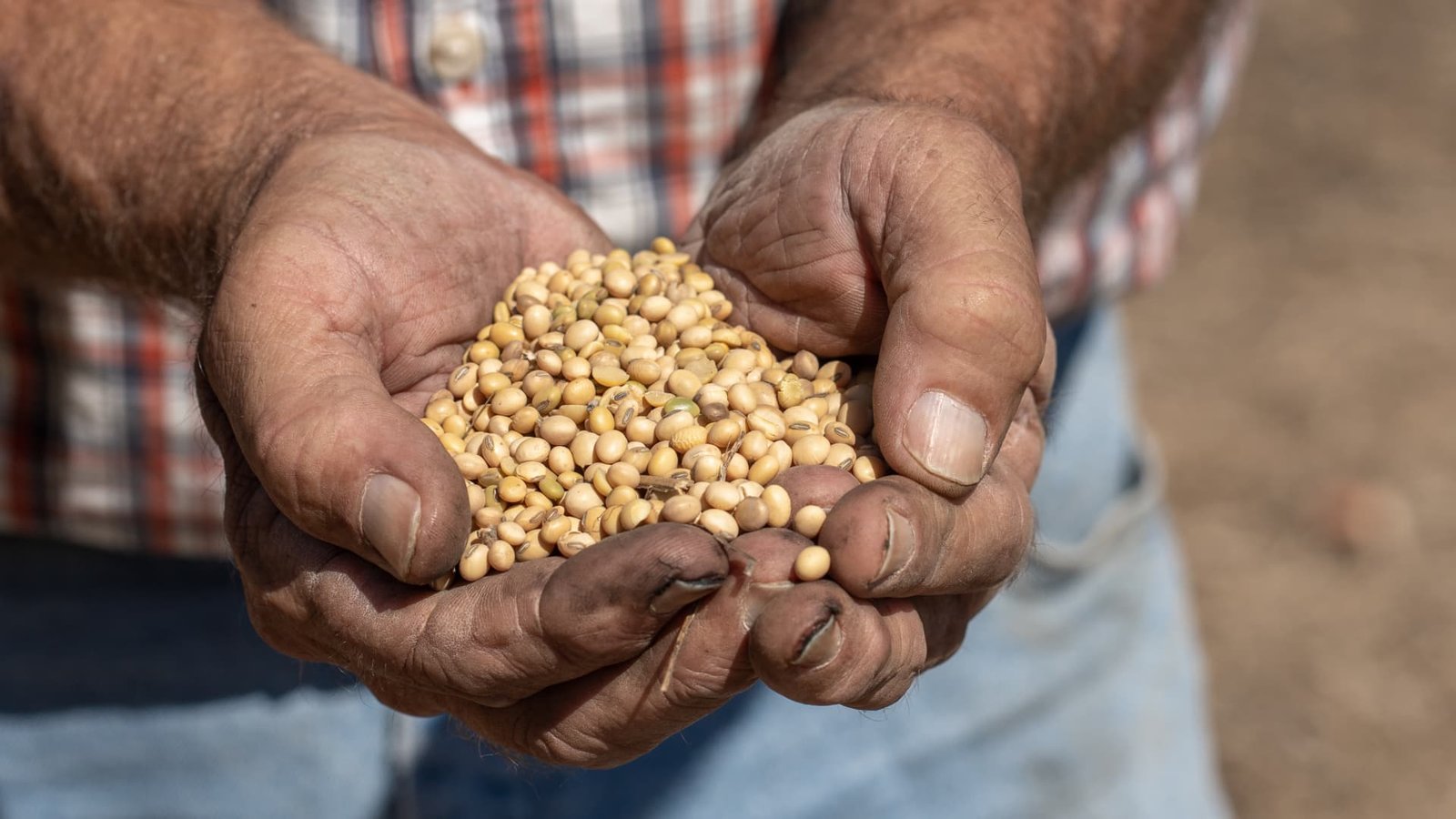
Beijing has agreed to purchase U.S. soybeans and enhance American access to rare earth elements, according to the White House. This announcement follows a recent bilateral summit between U.S. President Donald Trump and Chinese President Xi Jinping, held over two days in Beijing. The two leaders plan to meet again in the U.S. this September.
The White House indicated that China would commit to purchasing at least $17 billion in U.S. agricultural products annually through 2028. This commitment builds on prior agreements made in October 2025, where China agreed to buy at least 25 million metric tons of American soybeans each year for three years. However, specific soybean purchase amounts were not detailed in the latest announcements. Additionally, China will resume imports of U.S. beef and poultry, aligning both nations in promoting agricultural trade.
While the details surrounding rare earth minerals were less clear, the U.S. noted that China would address shortages of critical elements like yttrium, scandium, neodymium, and indium—essential components for smartphones, vehicles, and military equipment.
The summit was characterized as “underwhelming” by geopolitical analyst Jacob Shapiro, who suggested that U.S.-China relations may improve gradually under Trump’s administration. Shapiro indicated that following Trump’s tenure, a successor may not be as inclined to foster strong relations with China.
Both nations agreed to establish boards of trade and investment to facilitate ongoing discussions, with indications from China about potentially reducing tariffs. Additionally, China is set to buy 200 Boeing airplanes, although the specifics regarding engine and parts supply were not entirely clear.
Why this story matters:
- Strengthens trade relations between the U.S. and China.
Key takeaway:
- Establishment of substantial agreements on agriculture and technology.
Opposing viewpoint:
- Future U.S. leadership may take a more confrontational stance on China.