



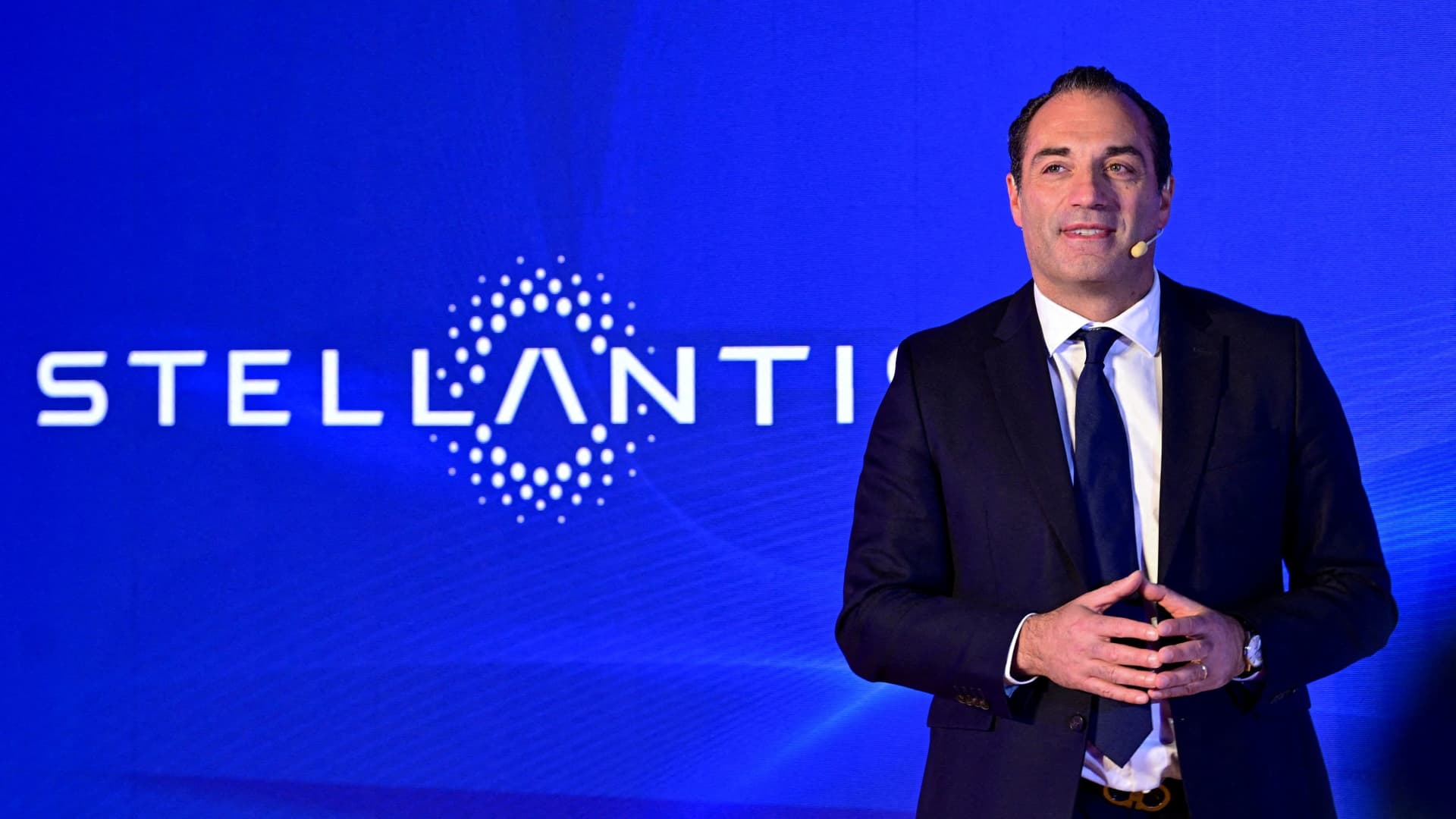
Stellantis CEO Antonio Filosa, who assumed leadership in June 2025, described his role at the transatlantic automaker as a dream but acknowledged the challenges faced by the company. Since Filosa’s appointment, Stellantis’ stock has declined approximately 30%, reflecting growing concerns among investors. This downward trend is seen as particularly troubling given a substantial net loss of €22.3 billion ($26.3 billion) reported last year.
On May 21, Filosa and his executive team are set to introduce a turnaround strategy at a capital markets event in Detroit, which aims to highlight the company’s priorities and targets moving forward. The strategy is expected to focus on key brands such as Jeep and Ram in North America, as well as Fiat and Peugeot in Europe. Filosa has emphasized a commitment to rectify existing issues quickly and stated that clear plans for sustainable growth will be shared during the event.
Despite his optimism, Wall Street’s response remains skeptical. Analysts have raised concerns regarding Stellantis’ ability to achieve significant improvements in profit margins and cash generation. Recent comments indicate that while early restructuring efforts under Filosa show promise, they do not yet assure a full recovery.
The capital markets day aims to cast Stellantis as a growth-oriented company capable of reversing its recent market share losses. Filosa has made personnel changes and initiated global cost-cutting plans to enhance profitability. Additionally, partnerships with Chinese automakers are highlighted as vital to the company’s future.
Looking ahead, Filosa has labeled 2026 as a crucial year for execution, underscoring the importance of focused strategies and efficient resource allocation across Stellantis’ diverse brand portfolio.
Why this story matters:
- Stellantis is facing significant challenges that affect investor confidence and long-term growth prospects.
Key takeaway:
- CEO Antonio Filosa is initiating a turnaround plan amidst declining stock performance and a history of financial losses.
Opposing viewpoint:
- Some analysts question the sustainability of the proposed strategies and the company’s overall profit potential.