


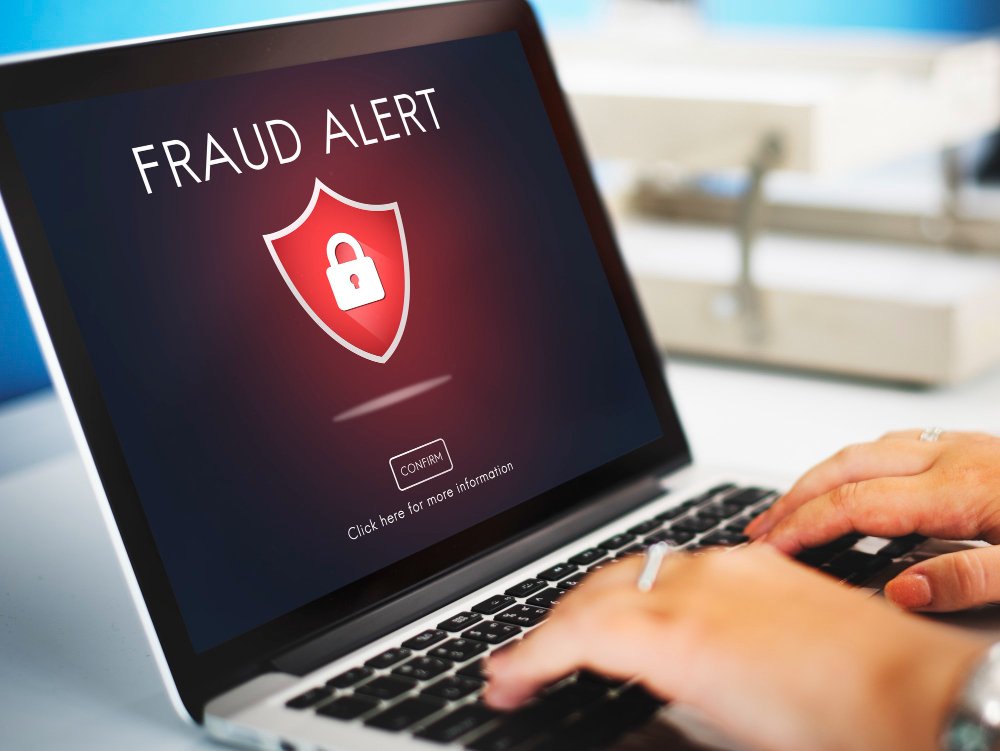
During the pandemic, Zoom emerged as a crucial platform for remote business operations, but its rise also led to an increase in online scams targeting users. Experts emphasize that many of these scams exploit the habitual nature of users who frequently click meeting invites without caution.
Common scams include fraudulent meetings where attackers impersonate senior figures or trusted partners. They use cleverly disguised Zoom links to direct victims to fake login pages designed to capture sensitive information. Another prevalent tactic is screen-sharing scams, where victims are encouraged to install remote access software, allowing attackers to access confidential files or steal passwords.
Moreover, scammers may pose as legitimate software update prompts, luring users to download malware disguised as official Zoom updates. Such malware often targets banking information and could result in personal data being sold on the dark web.
To mitigate these risks, businesses are advised to implement various cybersecurity measures. These include encouraging employees to remain vigilant, enabling multi-factor authentication, keeping antivirus software updated, and verifying meeting requests from seemingly urgent or unreliable sources. Digital identification tools can help ensure participants are verified before meetings, and remote access features should be limited to necessary situations only.
Experts stress the importance of educating teams about the risks of AI-powered impersonation and establishing straightforward verification processes for sensitive transactions. With virtual meetings becoming a significant security concern, maintaining a cautious approach to unexpected communications is essential to protect against these evolving threats.
Why this story matters: The increased use of virtual meeting platforms has led to heightened risks of cybersecurity threats that can severely impact businesses.
Key takeaway: Awareness and education on recognizing scams, alongside robust cybersecurity measures, are crucial for safeguarding against potential threats.
Opposing viewpoint: While some argue that technology has made communication easier, critics highlight that the risks of scams and data breaches have substantially increased alongside convenience.