



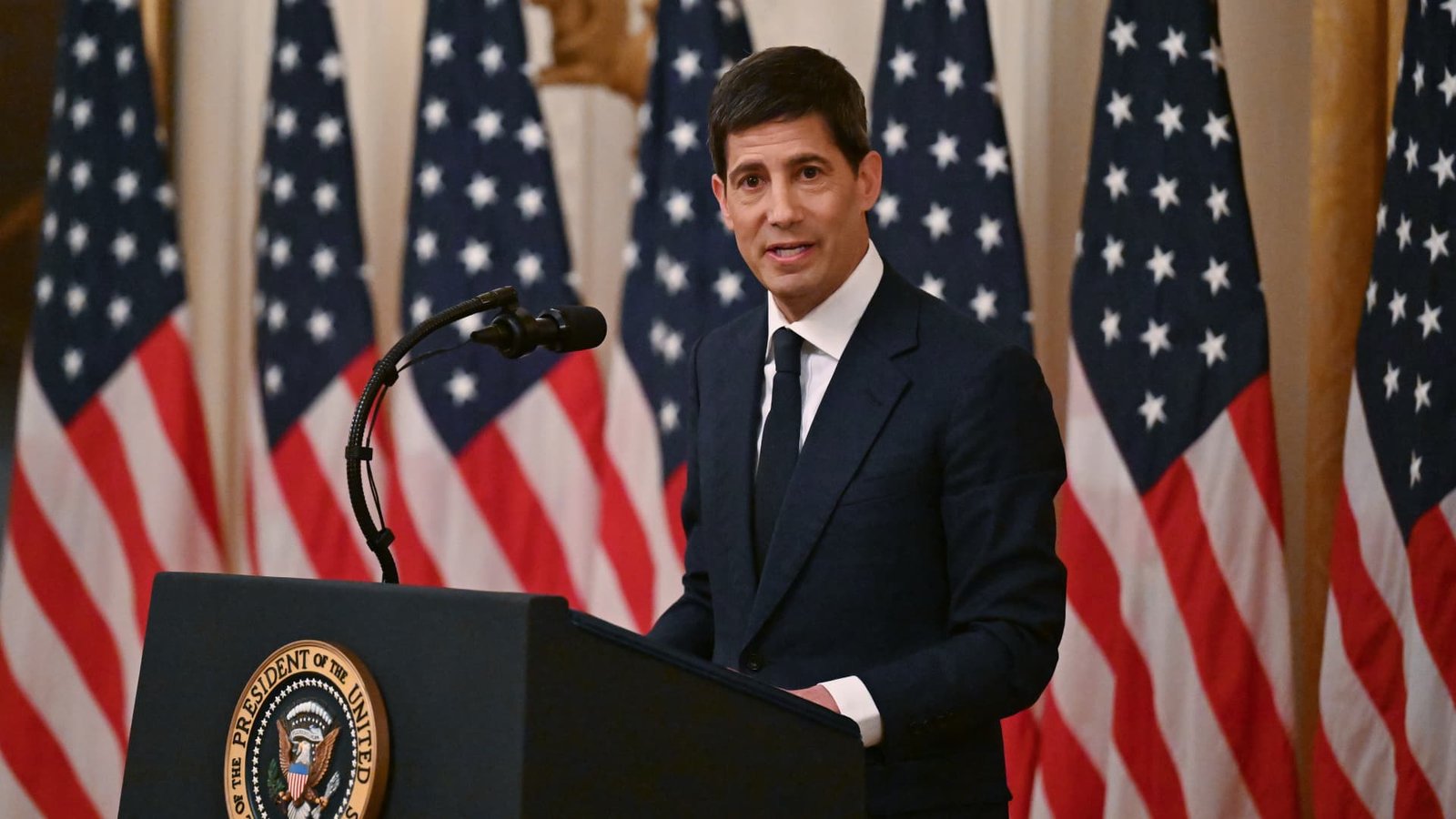
Kevin Warsh, the newly appointed Chair of the Federal Reserve, has sparked discussions about potential changes in the central bank’s operations and its approach to managing the financial landscape. Speculation surrounds Warsh’s vision of "regime change," which could involve rethinking the Federal Reserve’s intervention strategies, especially regarding its balance sheet, currently at $6.8 trillion.
Economic experts suggest that Warsh may advocate for a reduced role of the Fed in everyday financial markets, as well as clearer guidelines on intervention. The essential question remains whether the Fed should continue to utilize its substantial balance sheet as a routine tool for influencing financial conditions or reserve it for crises only.
Historically, the Fed expanded its balance sheet from around $800 billion pre-2008 financial crisis to nearly $9 trillion at its peak. This expansion has significant implications for interest rates, Treasury yields, and the overall economic framework. Changes to this system could alter how the Fed interacts with financial markets and responds to economic stress.
While Warsh’s vision has garnered attention, diverse opinions exist. Fed Governor Michael Barr argues against narrowing the focus to merely the balance sheet’s size, warning it could harm financial stability. Meanwhile, the need for careful implementation of any potential changes is emphasized, as adjustments will take time and should not be rushed.
As discussions progress, Warsh’s leadership is expected to guide the Fed towards clearer and more defined monetary policies, reflecting a cautious but much-needed approach to enhancing financial oversight and stability.
Why this story matters: Potential changes to the Fed’s approach could reshape economic policy and financial market operations.
Key takeaway: Warsh may promote a reduced reliance on the Fed’s balance sheet, seeking clearer guidelines for intervention.
Opposing viewpoint: Some experts argue that focusing solely on balance sheet size could undermine financial stability and complicate monetary policy.