



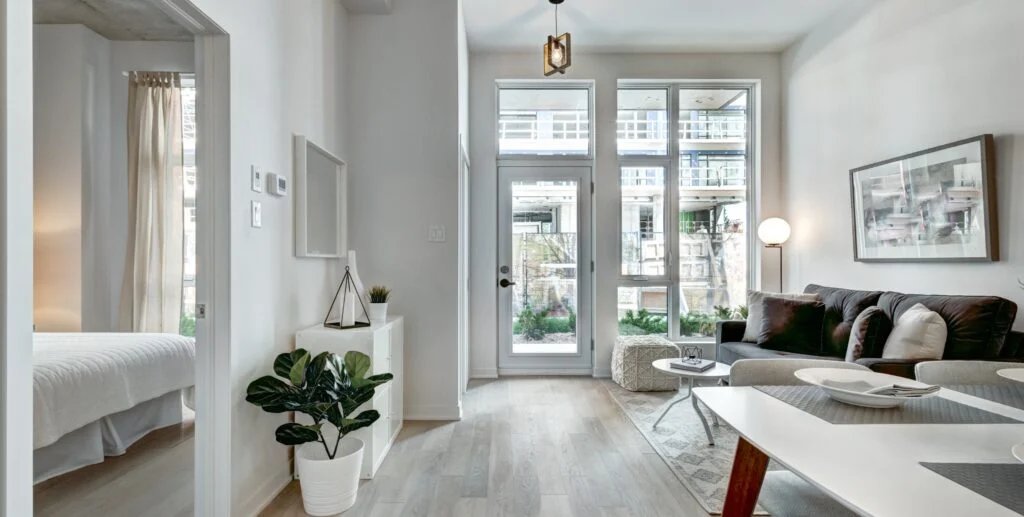
The trend of solo living in the United States is shifting from a necessity due to loss or separation to a lifestyle choice made by many, particularly among seniors and younger adults. Recent data shows that nearly 30% of Americans aged 65 and older now live alone, a significant rise from only 10% in 1950. Factors contributing to this trend include fewer marriages, higher divorce rates, the choice to remain childless, and increased preferences for isolation in the aftermath of the COVID-19 pandemic.
Landlords are increasingly recognizing the potential of catering to this growing demographic. From 2016 to 2021, about a million solo renters emerged, marking a 6.7% increase. High-demand areas like Salt Lake City, which saw a nearly 25% increase in its solo-occupant population, are hotspots for this trend. Notably, millennials are also joining the ranks of solo renters, with many willing to pay a premium for the privacy associated with single living.
Despite rising rental demand, solo living isn’t without challenges. Many older renters, often on fixed incomes, struggle with housing affordability. In 2020, over 16% of senior solo households spent more than half of their earnings on housing. As the population ages, the demand for suitable housing options will likely grow, with predictions indicating a need for 560,000 additional senior housing units by 2030.
Cohousing arrangements are being explored as alternatives for seniors seeking companionship while maintaining independence. Moreover, small, accessible living spaces designed with safety and functionality in mind are in high demand. Adapting existing housing stock to meet the needs of solo renters could offer significant opportunities for property investors.
Why this story matters
- Growing solo living trends highlight changing social dynamics and housing needs.
Key takeaway
- The increase in solo renting, fueled by various demographic trends, presents investment opportunities in specialized housing.
Opposing viewpoint
- The trend toward solo living may exacerbate issues related to affordability and social isolation among vulnerable populations.