



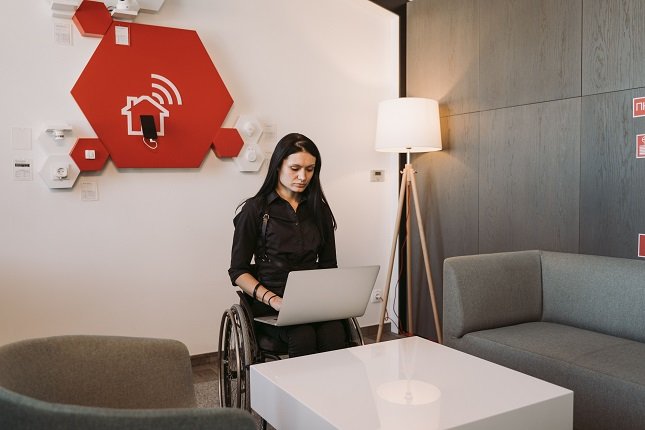
Small businesses face numerous responsibilities, often placing accessibility on the back burner until a significant issue arises. The Americans with Disabilities Act (ADA) outlines essential requirements for accommodating employees and customers with disabilities, and neglecting these guidelines can result in costly complaints or legal action. To proactively address these issues, resources like vela-chairs.com provide insights on integrating seating and mobility solutions into an overall accessibility strategy.
ADA compliance goes beyond basic physical adjustments such as wheelchair ramps; it encompasses workstations, break rooms, restrooms, and shared spaces requiring extra support for individual users. Many small businesses mistakenly believe comprehensive compliance is solely for larger companies, but affordable changes can be implemented gradually. A practical starting point is to conduct an honest audit of the physical workspace, assessing potential barriers such as obstructive furniture or inadequate workspace ergonomics.
Proactive accessibility measures can significantly enhance employee retention and customer satisfaction. Employees with mobility challenges are likely to remain loyal to employers who prioritize their comfort and safety, ultimately leading to lower turnover costs. Additionally, businesses that invest in accessible environments often develop a strong reputation within their communities.
Once gaps in accessibility are identified, small business owners should prioritize improvements that create the greatest impact with minimal disruption. Specialized seating solutions, such as those offered by VELA, can enhance employee comfort and reduce the likelihood of injuries. Beyond seating, businesses should consider improvements to signage, lighting, and workspace layout.
Accessibility should not be viewed as a one-time project. Instead, it should be woven into the organizational culture, with ongoing assessments and staff training on ADA requirements. Budgeting for accessibility improvements should become part of regular planning cycles, ensuring that it remains a long-term goal.
Why this story matters: Enhancing workplace accessibility fosters inclusivity, benefiting both employees and customers.
Key takeaway: Small, incremental changes can lead to significant improvements in accessibility and employee retention.
Opposing viewpoint: Some small business owners may view accessibility changes as unnecessary expenses, prioritizing immediate profits over long-term investment in inclusivity.