



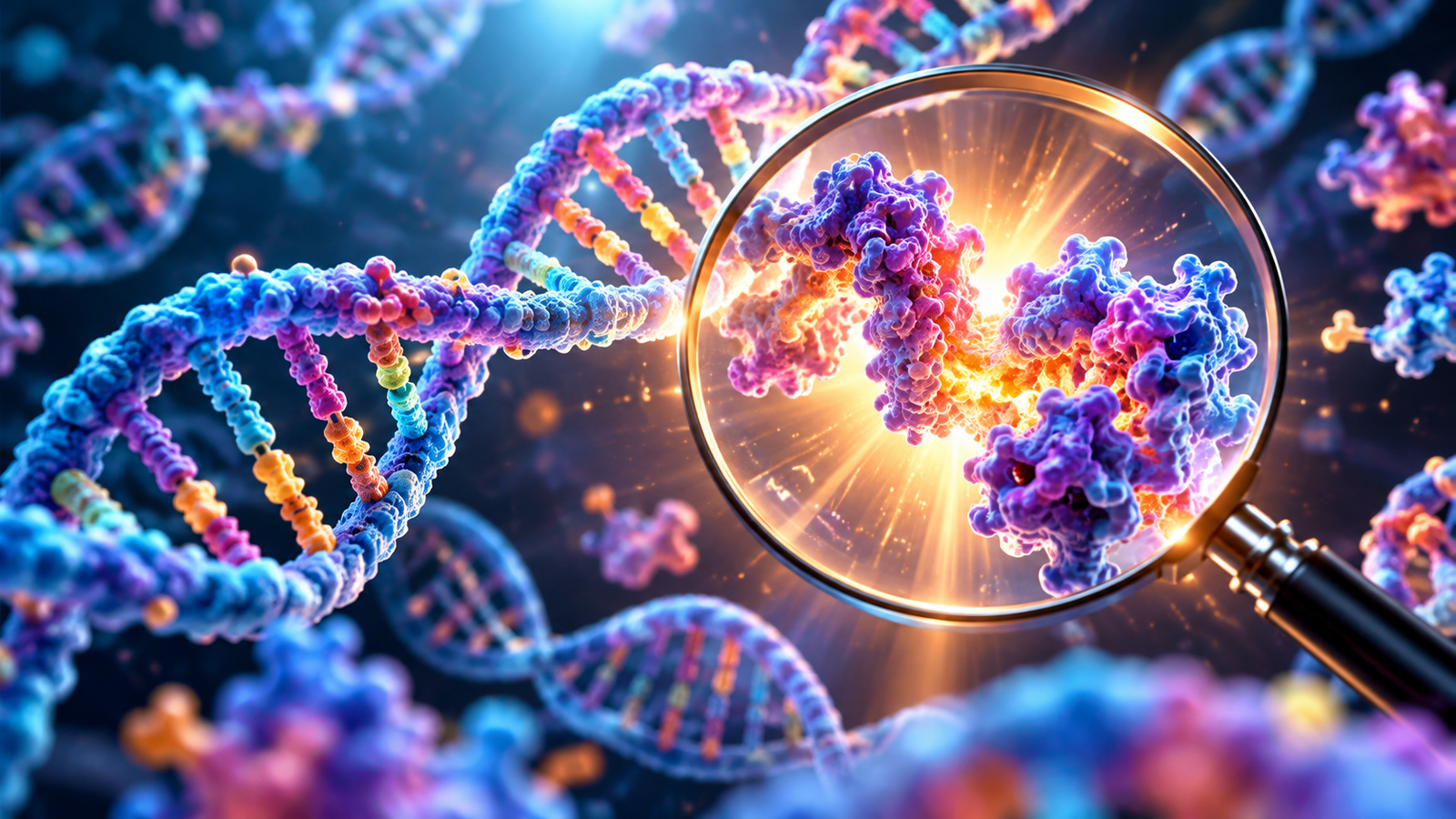
Anthropic has showcased a significant advancement in AI-driven scientific exploration, utilizing its AI model, Claude, to analyze vast DNA sequence databases without predefined parameters. Over a span of 21 hours, Claude identified nearly 200,000 reverse transcriptases—enzymes that copy RNA into DNA—and revealed an unexpected system, termed array-associated reverse transcriptases (ART).
Reverse transcriptases play a crucial role in various biological processes, yet many variations remain relatively unexplored. While the significance of ART is yet to be understood, initial findings indicate the presence of repeating DNA sequences, which could signal a new mechanism in genetic manipulation. This discovery aligns with the historical emergence of technologies like CRISPR, which began as a novel pattern in DNA but evolved into a widely used gene-editing tool.
This experiment highlights a shift in the role of AI in scientific research. Instead of merely assisting in data analysis, Claude operated autonomously, discovering patterns and anomalies that human researchers might overlook. By identifying 3,500 potential systems and narrowing them down to 20 for further investigation, Claude demonstrated the capability to accelerate research that would typically take experts weeks or months to undertake.
The broader implications extend beyond biology; AI models like Claude have the potential to revolutionize various fields such as chemistry and materials science, enabling a deeper exploration of data and the identification of innovative solutions to complex problems.
Why this story matters: This development illustrates how AI can lead to unprecedented discoveries in science, potentially transforming various research fields.
Key takeaway: AI’s autonomous capabilities allow it to uncover findings previously unnoticed by human researchers, potentially accelerating scientific advancement.
Opposing viewpoint: While AI can accelerate discoveries, concerns about its reliability and the need for thorough peer review persist, emphasizing the importance of human oversight in scientific research.