


The arrival of children often changes perspectives on health, particularly when it comes to illnesses. For many parents, the experience of a child’s sickness intensifies the urgency for accurate diagnoses and effective treatments, accompanied by the hope for reassurance from medical professionals. However, a significant issue has emerged in healthcare facilities worldwide: the growing ineffectiveness of traditional antibiotics against evolving bacterial infections. As bacteria develop resistance, the antibiotics previously relied upon are becoming less effective.
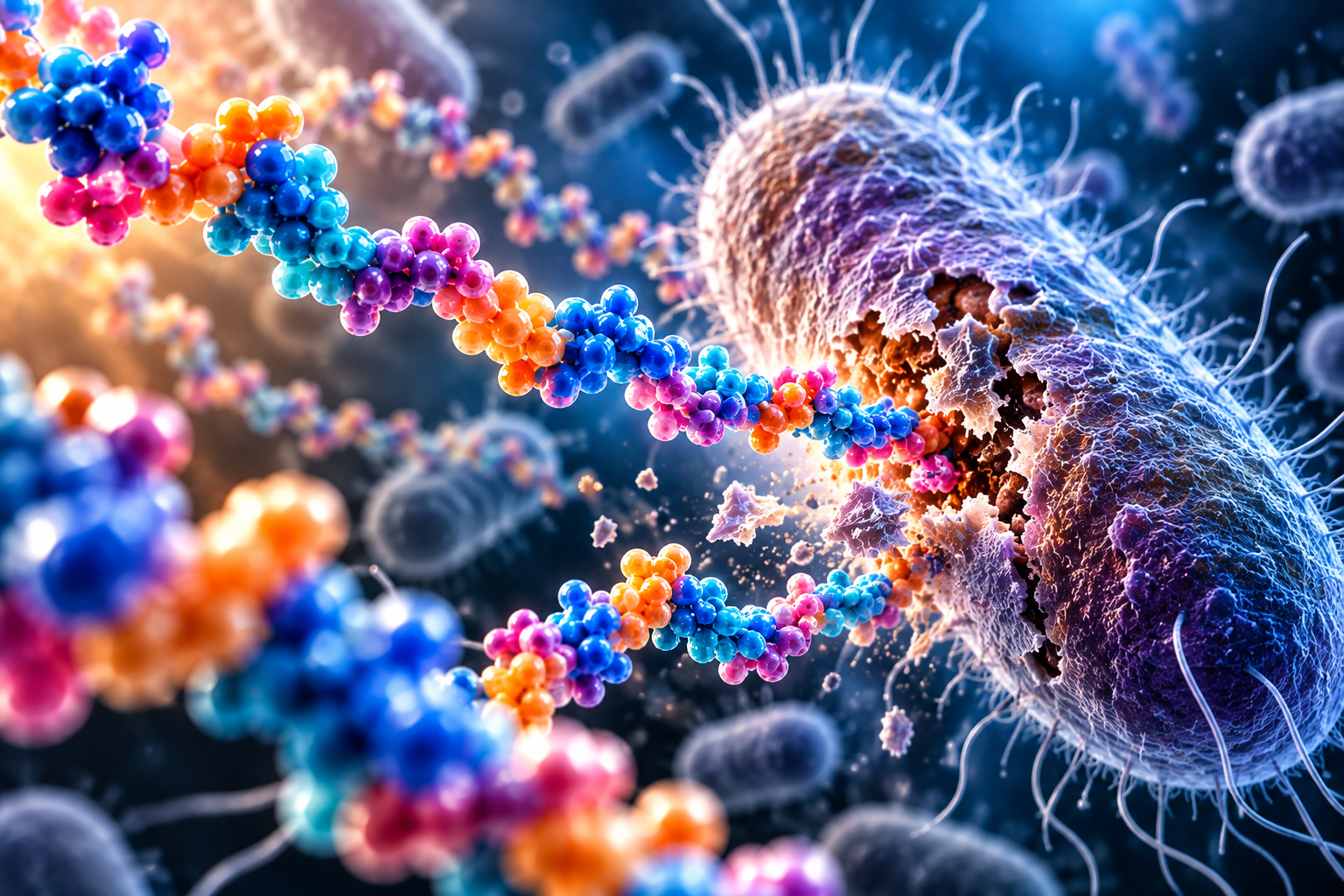
In response, researchers at Stanford University are exploring a groundbreaking approach using artificial intelligence (AI) to combat antibiotic resistance. Recognizing that existing antibiotics, while revolutionary, are vulnerable to bacterial evolution, scientists have turned to natural defense systems within the body—specifically, antimicrobial peptides. These smaller molecules can effectively damage bacterial membranes and fundamentally challenge bacteria’s ability to adapt.
Despite their potential, peptides face limitations, including high manufacturing costs and rapid degradation. To overcome these drawbacks, Stanford researchers created a virtual library of 1.7 million possible polymer structures, seeking to discover alternatives that mimic the action of peptides without their downsides. Given the impracticality of testing every polymer, AI was employed to streamline the search.
The AI first analyzed effective peptide traits and then applied that knowledge to identify promising polymers in the vast library. Through iterative testing and refining, researchers narrowed down their options to ten high-performing candidates, all of which exceeded expectations in combating E. coli.
The innovative use of AI in this context signals a shift in scientific discovery, reducing traditional constraints and opening up new avenues for tackling antibiotic resistance.
Why this story matters
- The battle against antibiotic-resistant bacteria poses a significant risk to global health.
Key takeaway
- AI is revolutionizing the search for new antimicrobial agents by efficiently identifying effective polymers.
Opposing viewpoint
- Some experts may argue that reliance on AI could overshadow traditional methods and insights that have historically informed antibiotic research.