



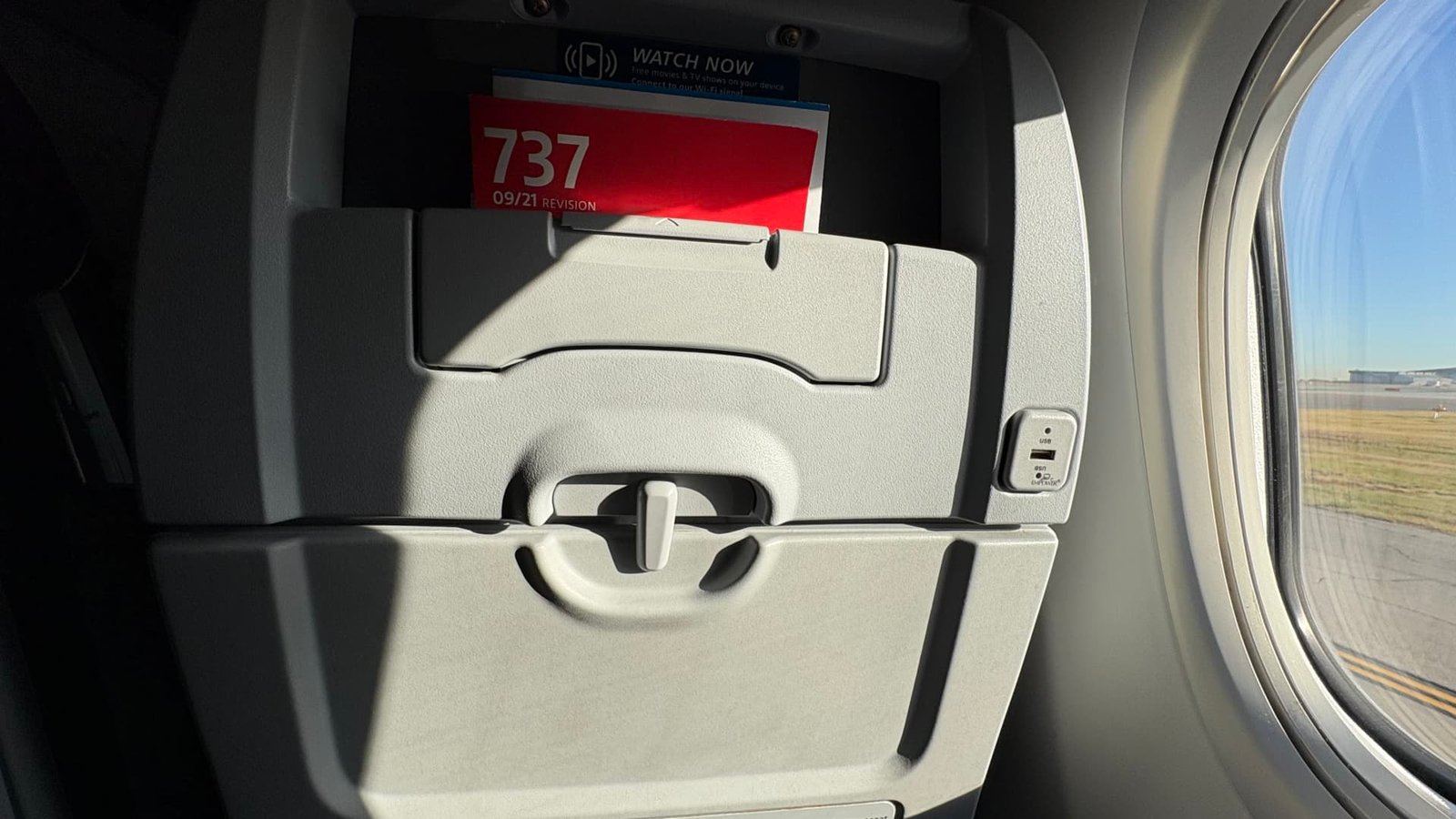
American Airlines is contemplating the reintroduction of seat-back screens on its narrow-body aircraft, with a potential decision anticipated next month. This initiative is aimed at enhancing the airline’s in-flight entertainment and Wi-Fi offerings. A source familiar with the plans, who requested anonymity, noted that discussions are underway with SpaceX’s Starlink and Amazon’s Leo for in-flight Wi-Fi services. Additionally, American is exploring content partnerships with Amazon, which could include Amazon Prime offerings, music streaming, and a shopping feature enabling customers to use miles for purchases.
The airline’s move comes in response to growing competition from Delta Air Lines and United Airlines, which have significantly invested in enhancing their customer services and technology. In contrast, American Airlines removed seat-back screens almost a decade ago as a cost-saving measure, believing customers would prefer to use personal devices for entertainment. However, the competitive landscape has evolved, with rivals upgrading cabins and entertainment options.
American Airlines has committed to introducing more premium seating across its fleet of over 790 narrow-body jets, some of which are already configured with seat-back screens. Heather Garboden, American’s chief customer officer, previously indicated an openness to reintroducing screens, noting advancements in technology over the past decade.
However, implementing these changes would require significant investment and could take years to complete. With over 280 new jets on order, it is possible that these aircraft could feature the updated entertainment technology straight from the factory.
Why this story matters
- American Airlines’ potential shift reflects the competitive pressure in the airline industry to enhance customer experience.
Key takeaway
- The airline is exploring partnerships to improve in-flight entertainment and Wi-Fi services as part of a broader strategy to attract more premium-paying customers.
Opposing viewpoint
- Some analysts argue that the focus should remain on ensuring reliable Wi-Fi services and personal device compatibility rather than investing in seat-back screens.