



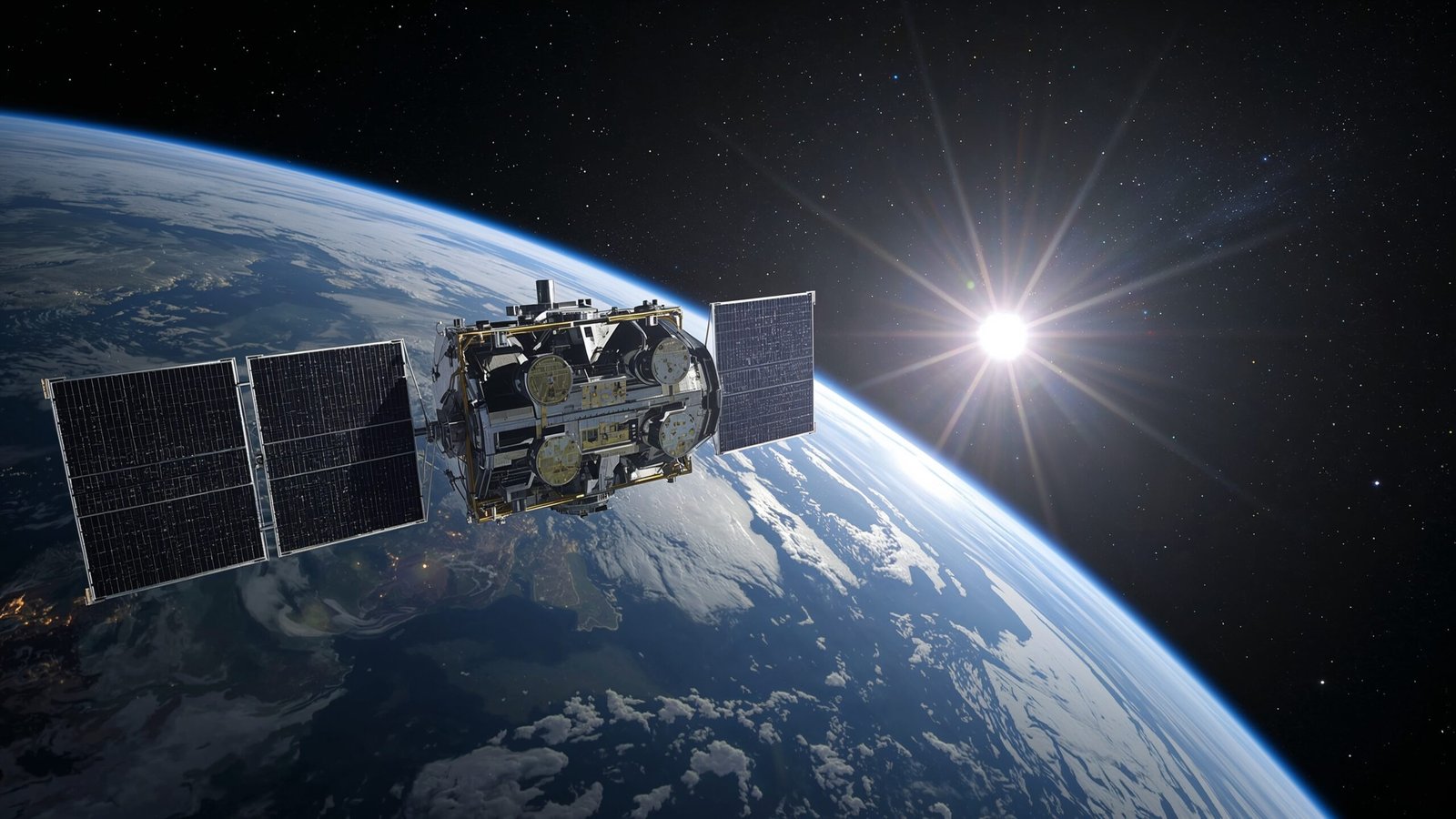
A startup named Starcloud has submitted plans to launch 88,000 satellites into orbit, a significant increase from the approximately 9,500 active satellites currently in Earth’s orbit. This ambitious proposal aims to create a network of orbiting data centers rather than traditional internet service satellites, like those of SpaceX’s Starlink. The motivation behind this approach is primarily based on the operational efficiencies of running data centers in space, where access to sunlight simplifies power generation and temperature management.
However, the influx of satellites raises concerns regarding orbital congestion. The number of satellites has surged over the past decade, with Starlink alone accounting for over 7,000 of them. Several other companies and countries are working on similar projects, leading to projections of a total of hundreds of thousands of satellites within a generation. This increasing density exacerbates the risks associated with space debris, including the potential for catastrophic collisions and a phenomenon known as Kessler syndrome, where one collision might lead to a chain reaction of further collisions, compromising the safety of orbital operations.
Moreover, as satellite networks expand, the costs associated with operating in congested orbits could increase for companies due to the necessity of advanced tracking systems and maneuvers to avoid debris. This not only threatens the longevity of satellites but also impacts essential global services reliant on space infrastructure.
As the industry evolves, the existing regulatory framework—which was established when only a few hundred satellites were in orbit—appears outdated. The challenge of managing an increasingly crowded orbital environment raises urgent questions about the sustainability of future space endeavors.
Why this story matters: The planned launch could significantly reshape the satellite landscape, impacting safety, costs, and essential services.
Key takeaway: Orbital congestion poses serious risks to the future of satellite operations and space infrastructure reliability.
Opposing viewpoint: Some argue that advances in technology and regulatory measures could mitigate the risks associated with satellite overcrowding in orbit.