

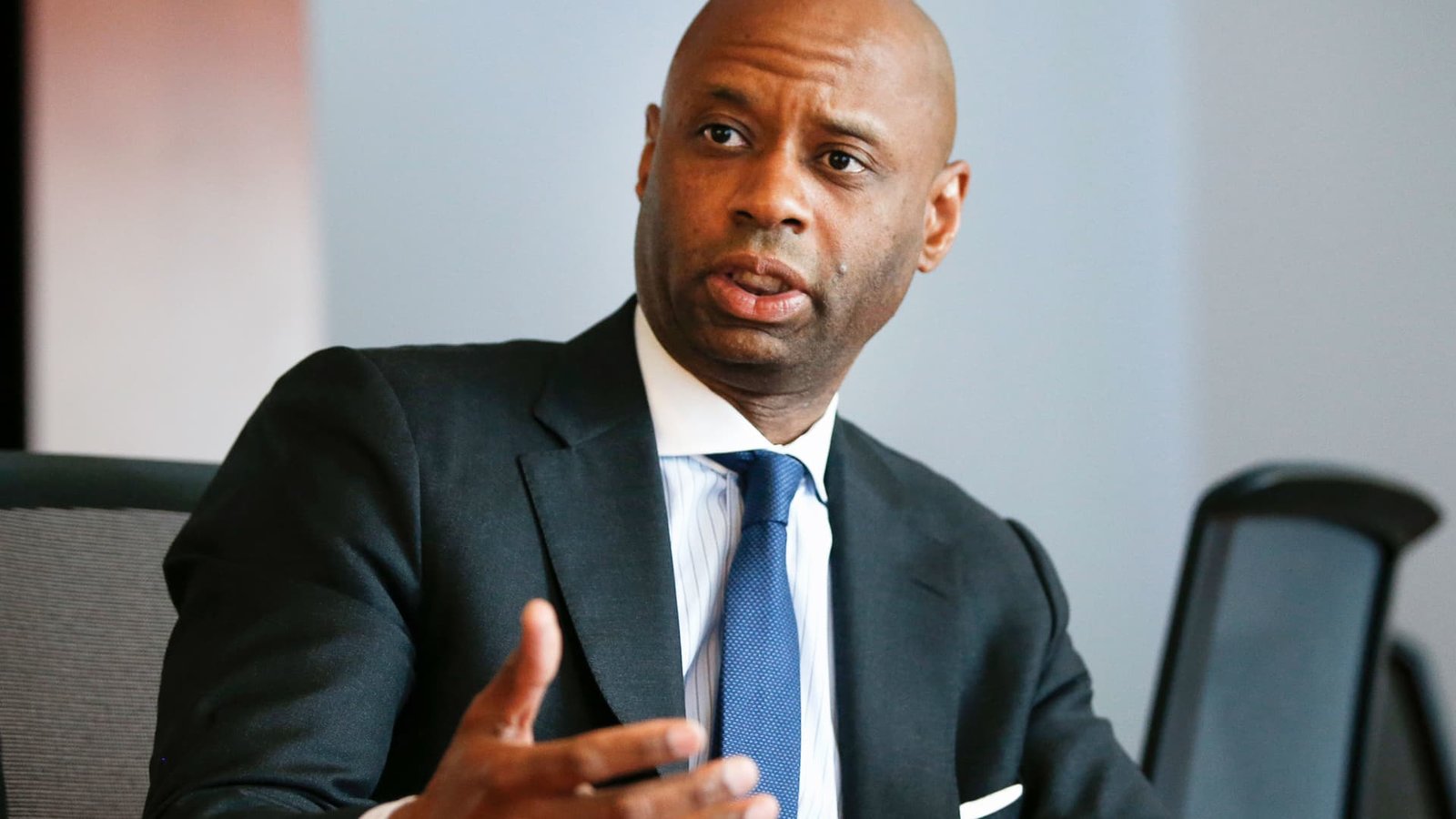
Mark Mason, CEO of Citi Private Bank, recently addressed the push by President Donald Trump to impose a cap on credit card interest rates. As banks like JPMorgan Chase and Citigroup prepare for potential conflicts over this directive, executives expressed strong resistance to the proposed changes. During conversations with reporters, Mason stated that enforcing a 10% cap on interest rates would unnecessarily restrict credit access for consumers and negatively impact the economy.
JPMorgan’s CFO, Jeremy Barnum, indicated that the banking sector is ready to defend itself legally if necessary, asserting that all potential responses are under consideration. Trump’s initial criticism of banks, in which he claimed they were exploiting consumers, appears to coincide with his focus on consumer affordability in anticipation of the midterm elections.
Despite the President’s threats, there is currently no law capping credit card interest rates, and a prior bill aimed at establishing a 10% limit has stalled in Congress, providing some banks with a glimmer of hope regarding the administration’s seriousness about the proposed cap. Analysts speculate that without legislative action, banks may either evade strict caps or offer concessions through negotiations, similar to past dealings with the pharmaceutical sector.
Upcoming Senate meetings may offer further clarity on this issue, as Trump’s proposal could potentially be integrated into ongoing bills concerning interchange fees. However, key Republican leaders have already expressed opposition to price controls, creating uncertainty around the likelihood of such measures being enacted.
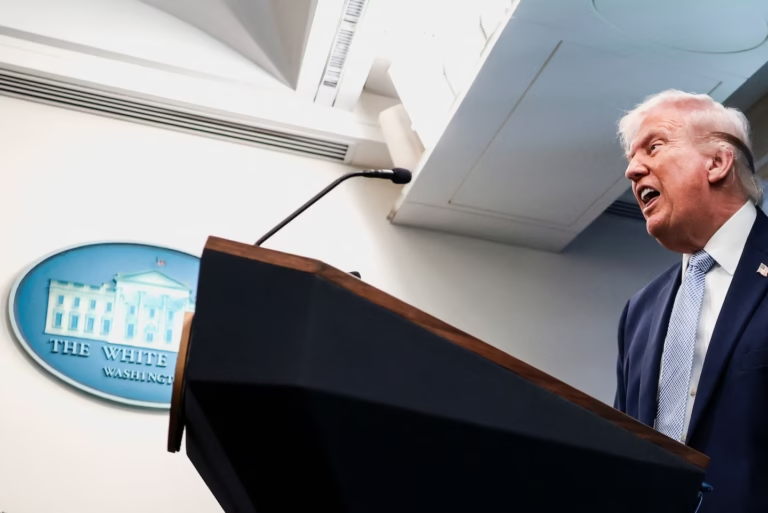
Next week, Trump is scheduled to speak at the World Economic Forum in Davos, where he will engage with prominent corporate and political figures, further shaping the discourse around financial policy.
Why this story matters: The clash between the banking sector and the federal administration could influence access to credit for consumers nationwide.
Key takeaway: Major banks are unified in their opposition to capping credit card interest rates, citing potential harm to consumers.
Opposing viewpoint: Proponents of the cap argue that high interest rates exploit vulnerable borrowers and necessitate regulatory intervention.